
ACOP L8 Explained – A Simple Guide for Duty Holders
Legionella compliance can seem complex, especially if you are responsible for managing a building or water system. Terms such as ACOP L8, duty holder, and written scheme of control are often mentioned, but understanding what they mean is essential for protecting building occupants and meeting your legal responsibilities.
Whether you manage an office, school, healthcare facility, hotel, leisure centre or commercial premises, controlling the risk of Legionella bacteria is an important part of building safety.
This guide explains ACOP L8 in more simple terms, including who it applies to, why it is important, and the practical steps duty holders should take to reduce risk.
Quick Summary
- ACOP L8 provides recognised guidance for controlling Legionella risks.
- It supports compliance with UK health and safety legislation.
- Duty holders are responsible for assessing and managing water systems.
- Risk assessments, monitoring and record keeping are essential.
What Is ACOP L8?
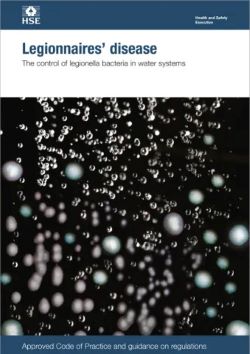
ACOP L8 stands for the Approved Code of Practice and Guidelines on the Control of Legionella Bacteria in Water Systems. It is published by the UK’s Health and Safety Executive and provides practical guidance on how organisations can comply with their legal duties under the Health and Safety at Work etc. Act 1974, and other relevant health and safety legislation.
While ACOP L8 itself is not legislation, following the recommendations is the best way to demonstrate compliance with the law. If an organisation chooses to go for a different approach, it must be able to show that it provides the same level of protection.
Why Was ACOP L8 Introduced?
Legionnaires’ disease remains a significant public health concern because outbreaks can have serious consequences for building occupants and businesses alike.
Poorly maintained water systems can allow Legionella bacteria to multiply unnoticed.
When contaminated water droplets become airborne and are inhaled, they can cause Legionnaires’ disease, a potentially fatal form of pneumonia.
ACOP L8 was introduced to provide employers and duty holders with practical guidance on identifying these risks before they become dangerous.
Rather than reacting after an incident occurs, ACOP L8 promotes proactive management through risk assessments, monitoring, planned maintenance and clear documentation.
Need Help With ACOP L8 Compliance?
Swiftclean provides Legionella risk assessments, testing, monitoring and ongoing water hygiene support to help organisations remain compliant.
Find Out More Call Us: 0800 243 471Who Does ACOP L8 Apply To?
ACOP L8 applies to anyone who has responsibility for managing water systems where legionella bacteria could grow. This applies across a range of premises such as offices, schools, hotels, factories and more.
As such, landlords, managers, employers, building owners and more will need to comply.
Why Is ACOP L8 Important?

Legionella bacteria can multiply quickly in poorly managed water systems. This is particularly true where water temperatures sit between 20°C and 45°C, water becomes stagnant, or nutrients such as scale and biofilm are present.
If contaminated water droplets are inhaled, individuals may develop Legionnaires’ disease, which can be particularly serious for older people, smokers and those with weakened immune systems.
ACOP L8 provides a structured framework to help organisations identify risks and implement suitable control measures.
Important: Legionella bacteria is invisible to the naked eye. Regular monitoring, risk assessments and preventative maintenance are essential for identifying risks before they become a serious health hazard.
What Are a Duty Holder’s Responsibilities?
Duty holders are responsible for making sure that this risk is assessed and managed. The key responsibilities are:
- Identifying potential sources of Legionella risk.
- Appointing a competent person to manage water safety.
- Arranging a Legionella risk assessment.
- Developing a written scheme of control where required.
- Monitoring water temperatures.
- Inspecting and maintaining water systems.
- Cleaning and disinfecting tanks and pipework where necessary.
- Keeping accurate inspection and maintenance records.
- Reviewing risk assessments regularly.
Managing Legionella is an ongoing process rather than a one-off exercise.
Are You Legionella Compliant?
Not sure whether your water systems meet ACOP L8 requirements? Use our free compliance checker to find out, or speak to our specialists to arrange a Legionella risk assessment for your building.
Book a Risk Assessment Check Your ComplianceWritten Schemes of Control
If a legionella risk assessment identifies a foreseeable risk of Legionella, ACOP L8 recommends implementing a written scheme of control.
This document states how the water system will be managed to minimise risk going forward.
| Requirement | Purpose |
|---|---|
| Water system schematic | Shows how the system operates |
| Monitoring programme | Details routine inspections |
| Temperature checks | Confirms control measures remain effective |
| Cleaning schedules | Ensures systems remain hygienic |
| Responsibilities | Identifies who is responsible |
| Emergency procedures | Explains what happens if issues arise |
Having a documented plan ensures consistency and provides evidence that controls are in place where they are needed.
Legal Duties Vs Best Practice
One area that causes problems is the difference between legal duties and best practice guidance.
Your legal obligation is to control the risk of exposure to Legionella under health and safety legislation. ACOP L8 explains a recognised way of achieving this, even though organisations may decide to go in another direction.
Get In Touch with Our Compliance Experts

Understanding ACOP L8 is the first step towards effective Legionella management. By carrying out suitable risk assessments, implementing a written scheme of control and maintaining accurate records, duty holders can demonstrate compliance while protecting the health of building occupants.
If you’re unsure whether your current arrangements meet ACOP L8 guidance, Swiftclean can help. Our experienced water hygiene experts provide professional Legionella risk assessments, compliance support, and more.
Contact Swiftclean today to arrange a Legionella risk assessment or speak to one of our Legionella compliance specialists.
ACOP L8 FAQs
Is ACOP L8 a legal requirement?
ACOP L8 itself is not legislation, but it provides recognised guidance for complying with UK health and safety law relating to Legionella control.
Who is the duty holder under ACOP L8?
The duty holder is the person responsible for managing premises or water systems. This may be an employer, landlord, facilities manager or building owner.
How often should a Legionella risk assessment be reviewed?
Risk assessments should be reviewed regularly and whenever significant changes occur to the water system, building use or occupancy.
What is a written scheme of control?
A written scheme of control explains how Legionella risks will be monitored and managed, including inspections, maintenance and responsibilities.
What happens if you don’t comply with ACOP L8?
Failure to manage Legionella risks could result in enforcement action, prosecution, fines and increased health risks for building occupants.
Does every building need a Legionella risk assessment?
Most commercial, public and residential buildings with water systems should have a Legionella risk assessment to determine whether any risks exist.


