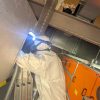
Don’t Let Compliance Nightmares Haunt Your Business
This Halloween, the scariest things lurking in your building might not be ghosts or ghouls. They could be hidden grease deposits, neglected fire dampers, badly contaminated water systems or ventilation ductwork that hasn’t been inspected in years.
For facilities managers and building owners, these hidden hazards can quickly turn into real-life compliance nightmares, potentially putting people, property and business operations at risk.
Fortunately, with the right inspections, maintenance and industry guidance, these risks can be kept under control.
Compliance Check
Don’t Let Hidden Hazards Give Your Business a Fright
Don’t wait for a frightening discovery to reveal a compliance problem. Make sure the only scares you experience this Halloween are the ones you’ve planned!
Speak to SwiftcleanThe Frightening Reality of Fire Damper Failures
Fire and smoke dampers play an essential role in maintaining fire compartmentation, helping to prevent the spread of fire and smoke through ventilation systems.
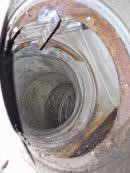
But what happens if they fail when needed most?
BS 9999 recommends that fire dampers are function tested at intervals not exceeding 12 months. Regular testing, appropriate remedial works and accurate records are essential to effective fire safety management.
With UK Government statistics showing a 12% increase in breaches of fire safety maintenance requirements in the year ending March 2026, the importance of proactive maintenance is clear.
What’s Lurking Inside Your Kitchen Extract System?
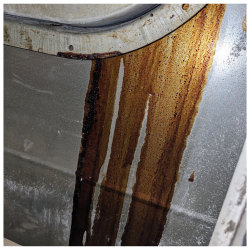
Commercial kitchens might look spotless, but hidden within their extract ductwork could be a serious fire risk.
Fats, oils and grease accumulate over time, creating combustible deposits that can allow fire to spread through the extraction system.
TR19® Grease, the recognised industry specification for kitchen extract cleaning, provides a framework for managing grease accumulation through appropriate inspection and cleaning frequencies.
Cleaning visible kitchen surfaces and filters isn’t enough. The real danger could be lurking deep within the ductwork, completely out of sight.
Swiftclean Tip: Look beyond the canopy. Review your kitchen extract cleaning report for inaccessible areas, photographic evidence and recommendations. A clean-looking kitchen doesn’t tell the whole story.
An Invisible Threat in Your Water Systems
Not all compliance nightmares can be seen.
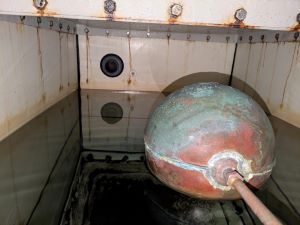
Legionella bacteria can develop in poorly maintained water systems, potentially causing Legionnaires’ disease, a serious form of pneumonia.
According to the HSE, Legionella bacteria can multiply in water temperatures between 20°C and 45°C, particularly where water is stagnant.
The HSE’s Approved Code of Practice L8 (ACOP L8) outlines the responsibilities of those managing Legionella risks, including risk assessments, appropriate control measures and ongoing monitoring.
Regular water hygiene maintenance helps prevent an invisible hazard from becoming a very real threat.
Swiftclean Tip: Check what’s changed. If occupancy, water usage or your building layout has changed, review whether your Legionella risk assessment and control measures still reflect the system in use.
Skeletons in Your Ventilation Ductwork?
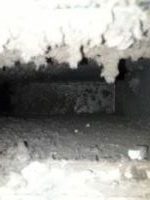
When was the last time your ventilation system was inspected?
Dust, debris and other contaminants can accumulate inside ventilation ductwork, potentially affecting indoor air quality and system performance.
TR19® Air provides recognised industry guidance on ventilation system cleanliness, inspection and cleaning, helping building managers maintain hygienic ventilation systems.
After all, just because contamination is hidden above the ceiling doesn’t mean it isn’t there!
Swiftclean Tip: Out of sight shouldn’t mean out of mind. Check when your ventilation ductwork was last inspected and whether any cleaning or access recommendations remain outstanding.
Don’t Let Missing Records Come Back to Haunt You
Don’t let hidden hazards haunt your business. Get a bespoke quote from Swiftclean or call 0800 243 471.
Sometimes the biggest compliance nightmare isn’t discovering a problem; it’s realising you cannot prove that the necessary inspections and maintenance have taken place.
Missing reports, overdue testing and unresolved remedial works can create serious challenges during audits or inspections.
Swiftclean’s online customer portal helps facilities managers keep their compliance documentation organised and accessible, making it much easier to manage multiple services and sites.
Your Hidden-Hazards Review Checklist
- Can you locate your latest fire damper test reports and outstanding remedial actions?
- Does your kitchen extract cleaning programme reflect current kitchen use and the findings of previous inspections?
- Does your Legionella risk assessment reflect the current water system and building use?
- Do you know when your ventilation ductwork was last inspected and what the findings were?
- Are reports accessible, responsibilities clear and follow-up actions tracked?
Keep Compliance Nightmares Away with Swiftclean
This Halloween, don’t let hidden hazards give your business a fright.
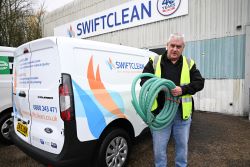
With over 40 years of experience, Swiftclean supports businesses nationwide with air, water and fire compliance services, including kitchen extract cleaning to TR19® Grease, ventilation hygiene to TR19® Air, fire damper testing in accordance with BS 9999 and Legionella control guided by ACOP L8.
Through our specialist teams, nationwide coverage and flexible out-of-hours services, we help businesses stay on top of their compliance responsibilities with minimal disruption.
Keep Compliance Nightmares Away
Don’t wait for a frightening discovery. Speak to Swiftclean about Legionella risk assessments, fire damper testing, ventilation cleaning and kitchen extract cleaning.
Building Compliance FAQs
What hidden compliance risks should businesses look out for?
Common hidden risks include grease deposits inside kitchen extract ductwork, neglected fire dampers, contaminated ventilation systems and poorly managed water systems. These areas may not be visible during everyday cleaning, so appropriate inspections, risk assessments and maintenance are important.
How often should fire dampers be tested?
BS 9999 recommends fire damper testing at intervals not exceeding 12 months. Testing should be supported by clear records, with any failures, access problems or recommended remedial work followed up rather than simply filed away.
Does cleaning kitchen filters mean the extract system is clean?
No. Fats, oils and grease can accumulate beyond the filters, inside the extract ductwork. Kitchen extract cleaning should address the wider system in line with TR19® Grease, with cleaning frequency informed by usage and grease accumulation.
When should a Legionella risk assessment be reviewed?
Review your Legionella risk assessment regularly and whenever there is reason to believe it is no longer valid. Triggers include changes to the water system, building use or key personnel, as well as monitoring results that suggest existing controls are no longer effective.
How often should ventilation ductwork be cleaned?
There is no single cleaning interval suitable for every building. The appropriate schedule depends on the system’s use, risk level and inspection findings. TR19® Air provides a framework for assessing ventilation hygiene and planning appropriate cleaning.
What records should businesses keep for these services?
Keep relevant risk assessments, inspection reports, testing results, cleaning reports and maintenance records. Record identified defects, recommended actions and evidence of their completion too. An organised audit trail helps demonstrate how risks are being managed – not just that a contractor attended.