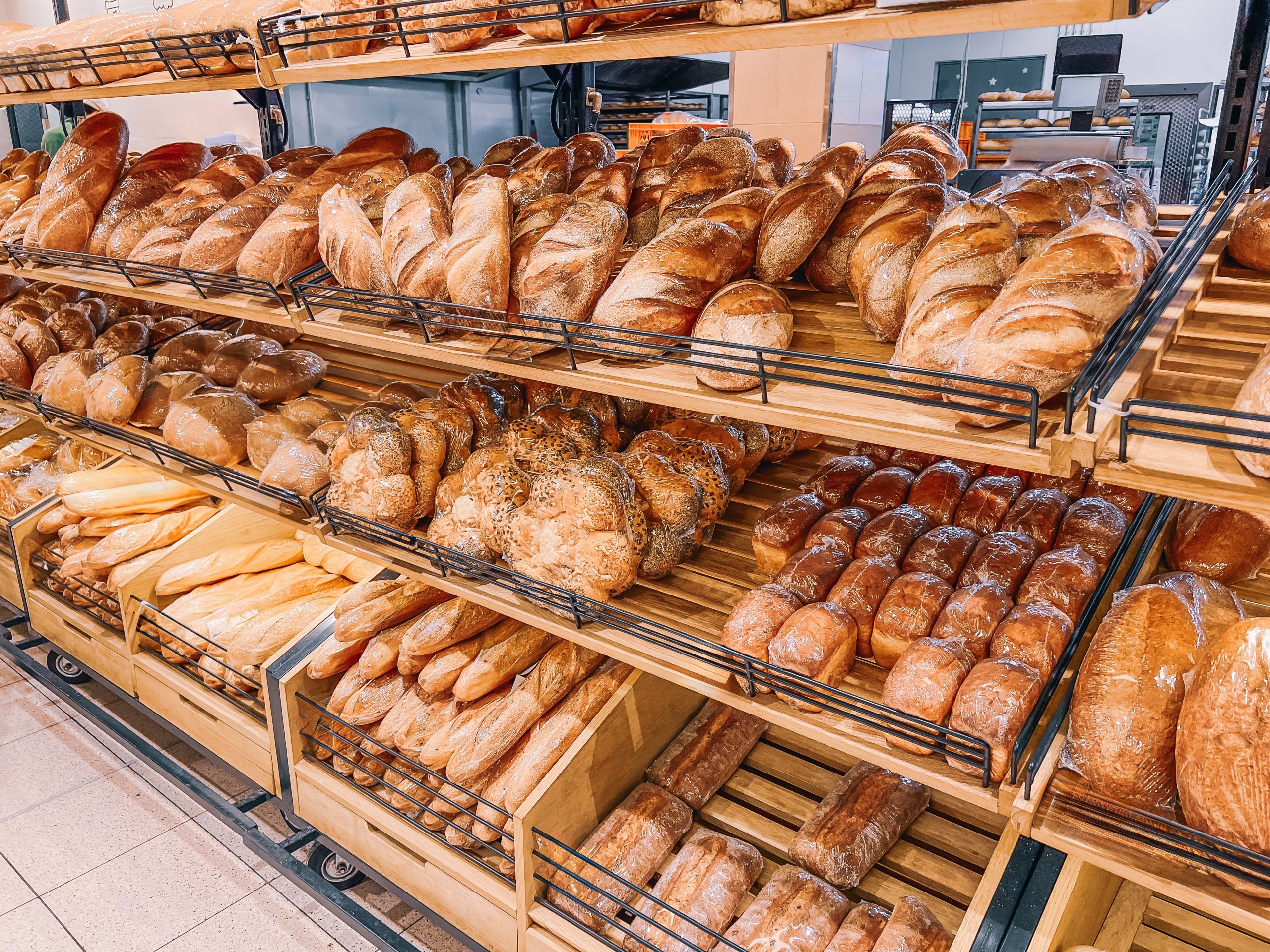
How to Keep Your Bakery Clean, Safe and Compliant

Whether you run an independent commercial bakery or a large-scale industrial production facility, maintaining a clean, safe and compliant environment is essential.

Bakery environments bring sector-specific challenges. Flour, dust, grease and other deposits can build up in ventilation and extraction systems, while long operating hours can increase the demands placed on equipment. Alongside day-to-day production, bakery owners also need to consider fire safety, employee health and safety, insurer requirements and customer or regulatory audits.

The challenge is not simply carrying out cleaning. It is being able to demonstrate that systems have been properly inspected, maintained and cleaned to recognised industry standards.

That’s where Swiftclean’s specialist food production services can help.

This guide sets out the key compliance areas that bakery operators and facilities managers need to understand, the standards that apply, and how a planned, packaged approach can make ongoing compliance more manageable.

Looking Beyond the Production Floor
A bakery can appear spotless at production level while hidden building systems tell a different story.

Flour and airborne particles can enter ventilation and extraction systems, while fats, oils and grease generated during production may accumulate within extract ductwork. These hidden deposits can affect system performance and, in some circumstances, contribute to fire or health and safety risks.

Swiftclean specialises in inspecting, testing and cleaning these difficult-to-access systems, helping bakery operators understand their condition and maintain clear compliance records.

The hidden compliance risk: A bakery production area can be spotless while ductwork, ventilation systems and extract fans carry significant contamination that affects performance, increases fire risk and would fail a compliance inspection. Regular specialist inspection is the only reliable way to know what is actually inside these systems.

The challenge for bakery operators is not simply arranging cleaning. It is being able to demonstrate that systems have been properly inspected, maintained and cleaned to recognised industry standards, with documentation to back it up when an auditor, insurer or customer asks.

Ventilation Hygiene: TR19 Air and BS EN 15780

TR19® Guidance and Bakery Ventilation

For ventilation hygiene, TR19® Air, issued by the Building Engineering Services Association (BESA), provides an industry specification for the cleanliness and hygiene management of ventilation systems.

Swiftclean can carry out ventilation system inspections and testing and ductwork cleaning in accordance with relevant TR19® Air guidance and BS EN 15780.

Local Exhaust Ventilation: COSHH Requirements

Where flour, dust or other airborne materials are generated during bakery production, Local Exhaust Ventilation can also be an important control measure. Swiftclean provides LEV testing and maintenance services to help businesses demonstrate that these systems are operating effectively.

Under the Control of Substances Hazardous to Health Regulations 2002, LEV systems must be thoroughly examined and tested by a competent person at least every 14 months. The examination must confirm that the system is performing to its design specification and effectively controlling the hazard it was installed to manage.

Regular LEV cleaning and maintenance between statutory examinations also helps systems continue operating efficiently and reduces the risk of a failure at the point of examination. For bakeries operating long hours with high production volumes, the demands placed on LEV systems can be significant, and a more frequent inspection and maintenance programme may be appropriate.

Extract Fire Risk: TR19 Grease

Managing Grease and Kitchen Extract Fire Risk

Where cooking or production processes create fats, oils and grease, extract systems require particular attention.

TR19® Grease provides industry guidance for managing grease accumulation within kitchen extraction systems and reducing associated fire risk.

Swiftclean’s kitchen extract cleaning services are carried out to TR19® Grease specifications. For industrial bakeries, where production volumes and operating hours can be significantly higher than in a conventional commercial kitchen, a tailored cleaning regime may be more appropriate than simply relying on a standard annual clean.

Regular inspection can establish the actual level of contamination and help determine an appropriate cleaning frequency.

Usage Level Operating Hours Recommended Cleaning Frequency
Heavy use 12 to 16 hours per day Every 3 months
Moderate use 6 to 12 hours per day Every 6 months
Light use 2 to 6 hours per day Every 12 months

These are general guidelines under TR19 Grease. Cleaning frequency for industrial bakery extract systems should be confirmed through a site-specific risk assessment and regular deposit thickness testing.

One Bakery, Multiple Compliance Requirements

One of the difficulties for bakery owners and facilities teams is that building compliance often involves several specialist services.

Rather than managing each one separately, Swiftclean can create a packaged compliance programme tailored to an individual bakery, production facility or multi-site estate.

A package for a bakery site could include:

  • TR19® Air ventilation inspections and ductwork cleaning;
  • TR19® Grease extract inspection and cleaning;
  • LEV testing;
  • Legionella control including risk assessments, temperature monitoring and water sampling
  • AHU and ventilation cleaning; and
  • Fire and smoke damper function testing.

Bringing complementary services together can reduce the number of separate contractors and site visits required, while allowing work to be scheduled around production.

Swiftclean’s wider range of specialist compliance support can also be viewed on our services page.

Want to Know How Compliant Your Hidden Systems Really Are?

Swiftclean can help you identify compliance gaps and build a practical, packaged programme of services tailored to your bakery, production schedule and existing maintenance arrangements.

Speak to Our Team Call Us: 0800 243 471

Helping You Stay Audit-Ready

Compliance does not finish when cleaning is completed.

When an auditor, customer, insurer or senior manager asks when a system was last inspected, what was found and what action was taken, good documentation is essential.

Swiftclean provides reporting and certification to create a clear record of the work undertaken and any areas requiring further attention. This gives bakery operators a stronger compliance trail and makes it easier to demonstrate that appropriate maintenance regimes are in place.

The aim is to move away from reactive cleaning and towards planned, evidence-based compliance.

A Simpler Approach to Bakery Compliance

The needs of a small commercial bakery will be different from those of a large industrial bakery operating continuously across several sites. The principle, however, remains the same:

Swiftclean can help you identify potential compliance gaps and build a practical package of services around your bakery, production schedules and existing maintenance arrangements.

Want to know how compliant the systems you can’t see really are?

Contact Swiftclean to discuss a tailored bakery compliance package for your site or estate.

Your Bakery Compliance Questions Answered

TR19 Air, published by the Building Engineering Services Association, is the recognised UK specification for ventilation system cleanliness and hygiene management. Alongside it, BS EN 15780 provides European guidance on ductwork cleanliness. Both apply to commercial and industrial bakery environments. A professional inspection carried out in line with these standards produces documented evidence of the system’s condition and any cleaning or remedial work required.

Cleaning frequency depends on the type and volume of production and the number of hours the extraction system operates each day. As a general guide, heavy-use systems operating 12 to 16 hours daily should be cleaned every three months, moderate-use systems every six months, and lighter-use systems annually. However, industrial bakeries with high production volumes may require more frequent cleaning than these standard intervals suggest. A deposit thickness assessment will confirm the appropriate frequency for your specific system.

Under the Control of Substances Hazardous to Health Regulations 2002, LEV systems must be thoroughly examined and tested by a competent person at least every 14 months. The examination must confirm that the system is performing to its design specification and effectively controlling the hazard it was installed to manage. Where systems protect workers from flour dust, a recognised cause of serious occupational respiratory conditions, maintaining an effective LEV programme is particularly important.

Yes. Any bakery with a water system where Legionella bacteria could grow must carry out a suitable and sufficient Legionella risk assessment under ACOP L8. This applies to facilities with welfare areas, staff kitchens, showers and toilet blocks. Larger industrial bakeries with more complex water systems, including storage tanks and calorifiers, will typically have more extensive Legionella management requirements. The risk assessment should be reviewed regularly and updated whenever significant changes occur to the water system or building.

Yes. Swiftclean can build a packaged compliance programme covering ventilation cleaning, extract fire safety, LEV testing, Legionella control and fire damper testing within a single planned programme tailored to your production schedule and site requirements. A single provider approach reduces the number of contractors involved, minimises disruption, and ensures all compliance documentation is consistent and centrally managed.

Matt Saunders

Director of Sales of Swiftclean and Swift Fire Compliance - Matt leads the Swiftclean sales team, providing expert guidance across our full range of services, including ventilation, kitchen extract cleaning, fire damper testing, and Legionella control. With 11 years of experience at Swiftclean, he brings deep technical knowledge and a strong commitment to helping clients find the right solutions.