
Why TR19® Air Ventilation Cleaning Matters in Multi-Storey Car Parks
The Importance of Ventilation in Car Park Environments
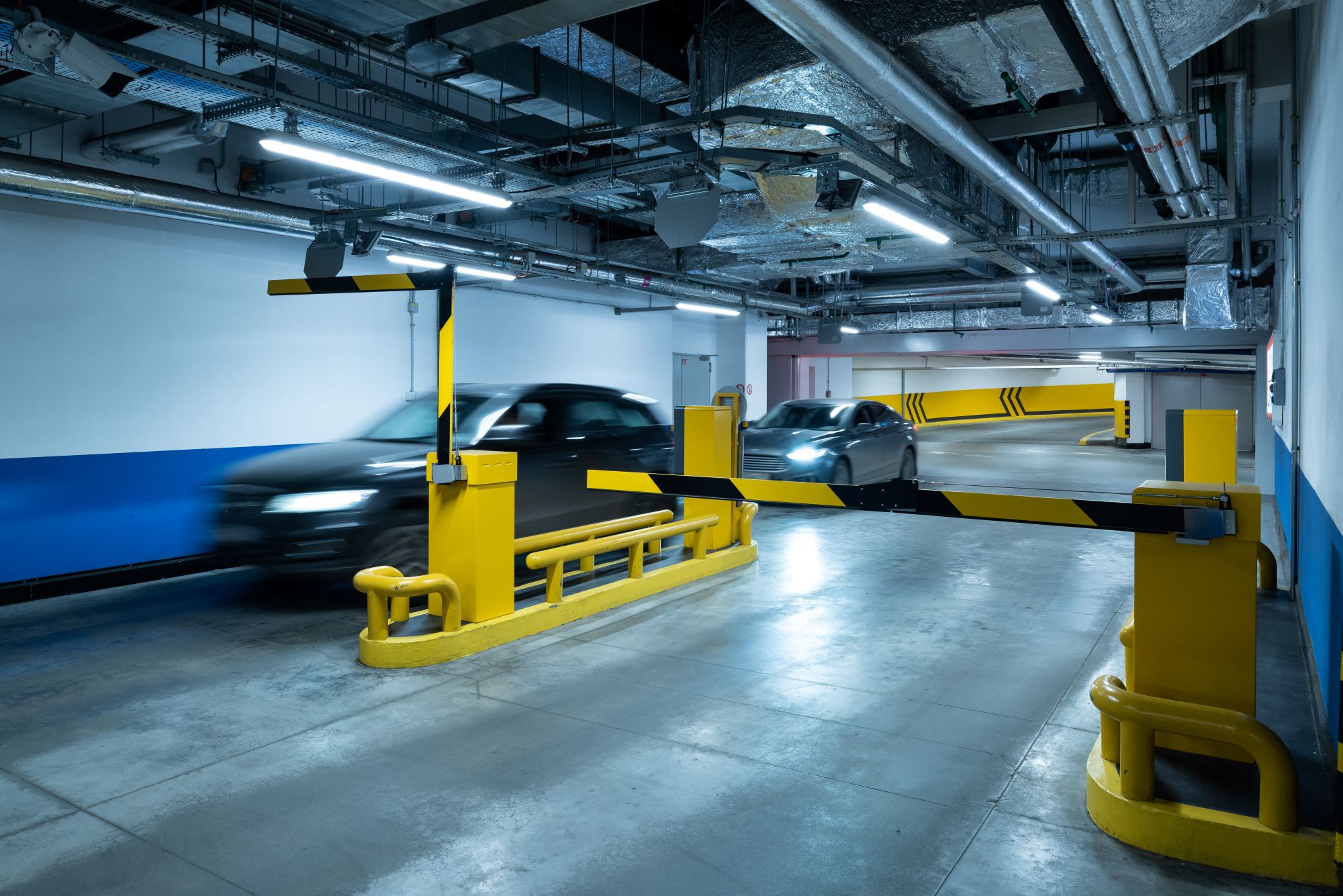
In multi-storey and underground or enclosed car parks, ventilation systems play a critical role in maintaining safe air quality. Every vehicle entering or exiting contributes exhaust gases, oil mist and airborne particulates that are drawn into extract systems. Over time, this contamination builds up inside ductwork, reducing airflow efficiency and increasing both health and fire risks.
Evidence shows that heavily contaminated ventilation systems can lose up to 30% of their performance. That loss is not just an engineering issue; it directly impacts safety. Reduced airflow means harmful gases such as carbon monoxide and nitrogen dioxide can accumulate more easily, particularly during peak traffic periods. In an environment where ventilation is the primary control measure, any drop in performance matters.

What is TR19® Air Ventilation Cleaning?
For operators, this creates a clear compliance challenge. There is a shift away from reactive maintenance toward documented, standards-based approaches. TR19® Air, developed by the Building Engineering Services Association,, provides the recognised framework for achieving this. It defines how clean a system should be, how it should be verified and how compliance should be recorded.
The Risks of Poor Ventilation Maintenance
Adopting a TR19® Air cleaning regime is not just about meeting regulatory expectations – it also makes operational sense. Clean systems run more efficiently, place less strain on mechanical components and help reduce energy consumption. In particularly busy car parks, even marginal efficiency gains can translate into meaningful cost savings over time. More importantly, it provides operators with clear, auditable evidence that a critical safety system is being properly managed.
In a sector where public safety, compliance and reputation are closely linked, ventilation cleaning should not be overlooked or delayed. Regular cleaning to the TR19® Air specification is a straightforward, preventative step that protects system performance and demonstrates control over an essential building function.
Who Is Responsible for Car Park Ventilation Compliance?
Responsibility for maintaining safe and compliant ventilation systems typically falls to duty holders, including building owners, operators, facilities managers and managing agents. These individuals are required to ensure that systems are maintained in line with recognised standards, with clear documentation available to demonstrate compliance.
Taking a proactive approach to ventilation hygiene not only supports legal obligations but also reduces operational risk and protects the safety of both staff and the public.
How Often Should Ventilation Systems Be Cleaned?
Cleaning frequency will depend on factors such as vehicle volume, layout, system design and environmental conditions. High-traffic car parks will naturally accumulate contaminants more quickly and may require more frequent inspection and cleaning.
Rather than relying on fixed timelines, a risk-based approach supported by inspection and testing provides the most effective route to compliance. This ensures cleaning is carried out when required, rather than after performance has already been compromised.
How to Check If Your System is Compliant
For car park operators unsure of their current compliance position, a professional inspection is often the best place to start, alongside DVT testing, for dust levels. Understanding the condition of your ventilation system now can prevent far more significant issues in the future.