Legionella Management in Agriculture – Why It Applies to Far More Than You Think
The Hidden Compliance Risks in Agriculture
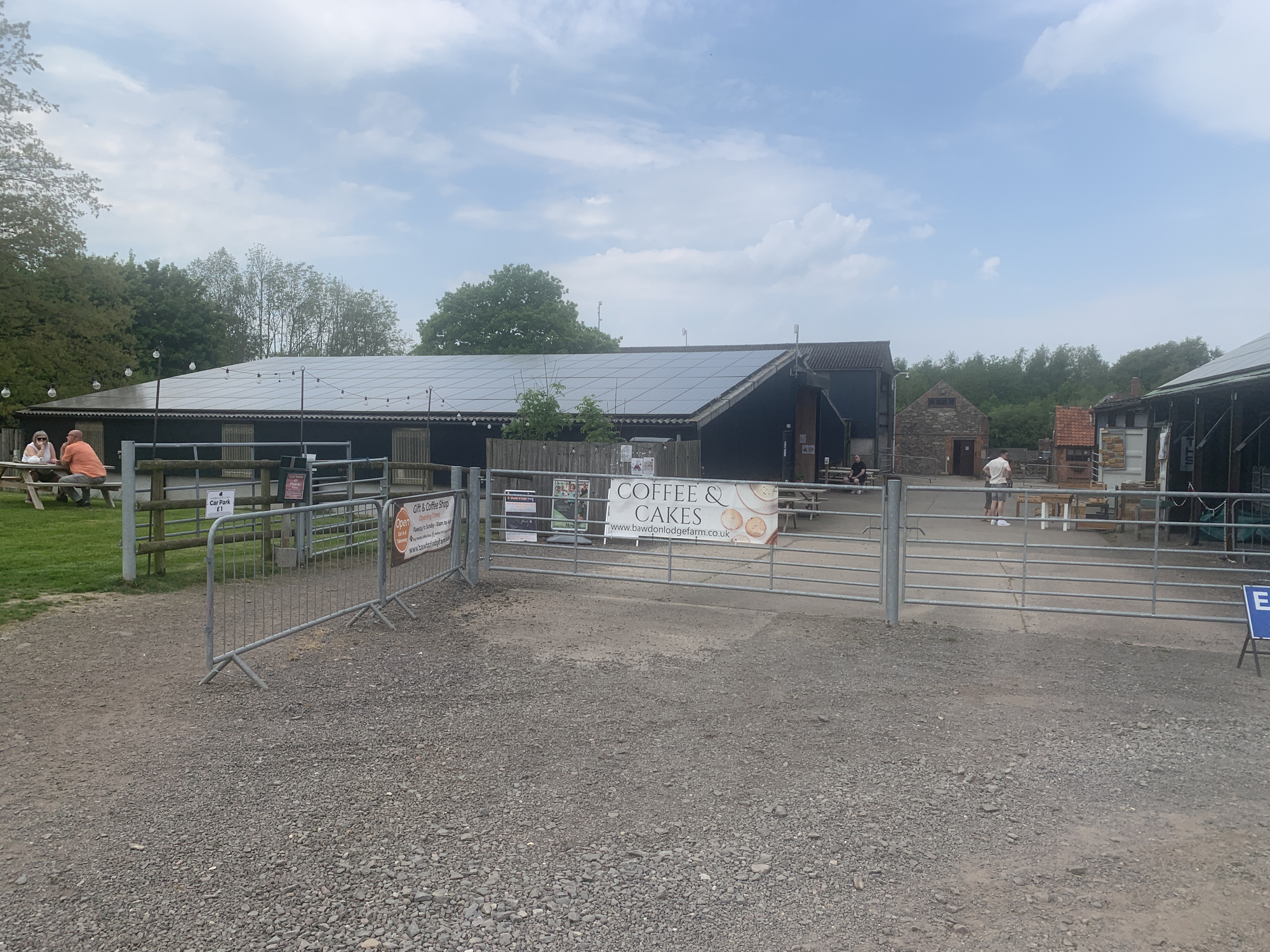
The agricultural world is changing fast. Rural businesses are no longer just about traditional farming – many now operate cafés, holiday lets, workshops, equestrian centres, processing units, visitor attractions, or farm shops. All of this diversification is fantastic for rural economies.
But there’s a catch.
With new activities come new legal responsibilities, and many agricultural businesses don’t realise that certain compliance rules apply to them. Legionella management is one of the most common areas where land‑based businesses slip into non‑compliance without knowing it.
Why So Many Agricultural Businesses Miss This
Why Agricultural Sites Are Higher Risk
Agricultural sites are complex. You might have a holiday lodge next to a grain store, a café beside a cattle shed, or a processing area linked to an old barn. Each building has different risks – and different compliance requirements.
With seasonal workloads, stretched staff, and multiple buildings spread across a large site, it’s no surprise Legionella responsibilities get overlooked.
Where Legionella Risks Commonly Occur in Agriculture
Think Legionella is only a concern for leisure centres or big commercial buildings? Think again. In agriculture, it shows up everywhere:
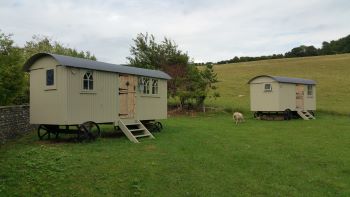
• Holiday cottages, glamping pods and lodges
• Private water supplies and tanks
• Dairy units and parlours
• Staff welfare areas, toilets and showers
• Equestrian wash‑down facilities
• Packing sheds and processing areas
• Long, ageing pipe runs in older buildings
If water can stagnate or create aerosols, you have a legal duty to assess and manage the risk.
Your Legal Responsibilities
The HSE document, known as Legionnaires’ disease – The control of legionella bacteria in water systems (L8 fourth edition 2013), which includes the Approved Code of Practice (ACoP) and guidance on regulations is aimed at duty holders, including employe rs, those in control of premises and those with health and safety responsibilities for others, to help them comply with their legal duties in relation to legionella control.
In short, if you operate a rural or agricultural business with water systems used by staff, tenants or the public, Legionella compliance applies to you.
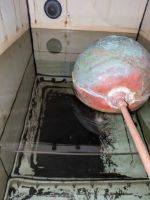
The Most Common Challenges We See
• Operators unaware that a Legionella risk assessment is legally required
• Seasonal buildings standing empty for weeks or months
• Risks increased by private water systems
• No one trained to carry out flushing or temperature monitoring
How We Help Agricultural Businesses Stay Compliant
We specialise in supporting agricultural and rural sites with practical Legionella management.
We assess your site, create a simple control scheme, carry out required cleaning or disinfection, and provide ongoing monitoring. We keep things practical, affordable and easy – so you stay compliant without the stress.
We regularly work with farms, estates and diversified rural businesses across the UK, and Legionella non-compliance is one of the most common issues we uncover during site visits.
We keep everything straightforward, proportionate and affordable, helping you stay compliant without unnecessary disruption.

Final Thoughts
If you run any kind of rural business, Legionella management does apply. The good news? With the right support, it’s straightforward to stay compliant.
Not sure if your site is compliant? A simple review can quickly confirm where you stand.
Read more about Legionella Control here