
Why Kitchen Extract Cleaning Matters in Rural Hospitality
A Technical Look at Fire Safety, Compliance, and Risk Reduction
As UK agriculture diversifies, more farms are adding cafés, restaurants, event kitchens and farm‑shop eateries to their operations. While these spaces boost revenue and visitor engagement, they also introduce new regulatory duties – particularly around commercial kitchen ventilation and extract hygiene.
One of the most overlooked obligations is kitchen extract cleaning to the BESA TR19 Grease specification, the benchmark for fire‑risk mitigation within kitchen ventilation systems.
Why TR19 Grease Compliance Matters
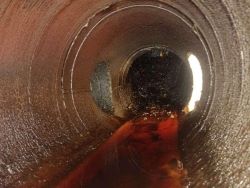
TR19 Grease is the industry-standard specification for cleaning commercial kitchen extraction systems, primarily aimed at reducing the high risk of fire caused by fat and grease buildup.
A commercial kitchen extract system accumulates fats, oils and grease (FOG) aerosols, combustible carbonised residues and airborne particulates from cooking processes
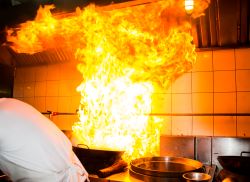
As these travel through ducting, they form layers of flammable deposits that can ignite if a cooking flare‑up or appliance malfunction sends a flame into the canopy. Fires spread rapidly through ducts, which act like chimneys.
Insurance providers understand this risk well. That is why many policies now explicitly require:
✔ Documented TR19 Grease compliance
✔ Measured grease‑depth readings
✔ Evidence of routine inspection and cleaning
Failure to demonstrate compliance following a fire may result in; refusal of claim payment, invalidated policies or even potential liability for property damage and business interruption.
Even a small rural café operating two or three days a week is viewed the same as a high‑street kitchen from a risk perspective.
The Unique Technical Challenges of Rural Hospitality Sites
Rural and agricultural buildings introduce specific engineering and environmental challenges that make proper extract maintenance more complex:
1. Non‑standard or retrofitted ducting
Farm buildings are often conversions and could have long duct runs to exterior walls, inaccessible ceiling voids or structural beams, or uninsulated or unlined ductwork.
These conditions make professional access essential for safe cleaning.
2. Low‑use kitchens still accumulate dangerous deposits
FOG deposition rates depend on cooking type, not just hours of operation. Even seasonal cafés using grills, fryers, or ovens can exceed TR19 Grease thresholds (≥200 microns) faster than expected.
3. Agricultural dust increases fire load
A uniquely rural risk is when combustible dust from grain, hay, livestock bedding or soil can be drawn into ventilation airflows. When combined with grease, this forms a highly combustible composite layer that accelerates fire spread.
4. Unclear cleaning‑frequency planning
Many operators don’t know how often their system should be cleaned. TR19 Grease provides a frequency table based on:
- Hours of cooking
- Type of cooking
- Measured grease-depth readings (wet film thickness gauges)
Without periodic inspection, operators may unknowingly exceed safe limits.
How We Support Your Compliance and Safety
We provide a full TR19 Grease‑aligned service tailored specifically to rural kitchens, seasonal operations, and farm‑shop environments.

Our service includes:
✔ TR19 Grease compliant extract system cleaning including canopy, filters, ductwork, risers and fans.
We ensure all accessible and previously inaccessible areas are cleaned to the required micron thresholds.
✔ Measured grease‑depth reporting
We take wet‑film measurements before and after cleaning to provide a quantifiable compliance record.
✔ Before‑and‑after photographic evidence
Documenting canopy internals, duct sections, bends, vertical risers and fan housings.
✔ Insurer‑ready certification
A full BESCA VHR certified post‑clean report – working with an approved Ventilation Hygiene Register contractor means your ventilation hygiene meets industry standards, significantly reducing the risk of fire and the danger to lives and livelihoods. This is your critical audit trail in the event of an insurance review.
✔ Scheduling that fits agricultural life
We work around your busiest times such as harvest periods, seasonal closures or busy café weekends. Your compliance shouldn’t interrupt your business.
Final Thoughts
If you operate a commercial kitchen on agricultural land – even a small, part‑time, or seasonal one – TR19 Grease compliance is a mandatory part of responsible operation and insurance protection.
The good news? With the right specialist partner, staying compliant, safe and fully insured is completely manageable.
Kitchen Extract Cleaning FAQs for Rural Hospitality Businesses
Why is kitchen extract cleaning especially important in rural hospitality venues?
Rural hospitality sites such as pubs, cafés, farm shops, and holiday lets often rely on compact or older kitchen systems that operate for long hours during peak seasons. Grease and debris can build up quickly in extract canopies, ductwork, and fans, increasing fire risk and reducing airflow.
Regular professional cleaning helps maintain safe working conditions, supports insurance requirements, and ensures kitchens operate efficiently during busy periods.
How often should kitchen extract systems be cleaned in rural hospitality settings?
Cleaning frequency depends on cooking volume and usage, but most rural hospitality kitchens require professional extract cleaning every three to six months. High-use kitchens or those offering fried or grilled foods may need more frequent cleaning to remain compliant with the TR19® Grease specification. A site-specific assessment ensures the cleaning schedule matches actual risk rather than assumptions.
What are the risks of not cleaning kitchen extract systems properly?
Failure to maintain kitchen extract systems can lead to increased fire risk, poor air quality, odour issues, and reduced system efficiency. In rural venues, this can result in kitchen downtime during peak trading periods, enforcement action from local authorities, and potential insurance invalidation following a fire. Routine cleaning and clear documentation provide assurance that legal and safety obligations are being met.