What Rising Temperatures Mean for Compliance
Finally, the sun is out of hibernation and the end of winter is in sight. We can look forward to the Spring and Summer months ahead, but rising temperatures can also mean that your compliance schedule risks falling out of step with changing environmental conditions.
Warmer weather can create ideal conditions for Legionella bacteria to develop, while higher temperatures in hot kitchen extract ductwork can increase fire risk if there is sufficient grease build-up.
Keeping on top of monitoring can mean the difference between maintaining compliance and exposing your building to health and safety risks.
Water Hygiene
A robust, regular water monitoring regime helps ensure that any temperature spikes are identified early, preventing conditions that allow Legionella to develop. If temperatures remain elevated to a potentially dangerous level, regular bacteria testing is an effective way to maintain compliance and demonstrate due diligence.
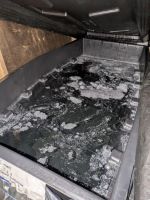
Legionella testing and sampling can provide reassurance if there are concerns about potential non-compliance during warmer periods. Water tanks, particularly those located in warm loft spaces, are especially vulnerable. A routine tank inspection can help confirm that stored water remains safe for use and that systems are operating as intended.
Grease Hygiene
Elevated temperatures in a kitchen environment are not just uncomfortable for those working behind the stove – they can also increase fire risk. It is imperative that the extraction system is operating as effectively and efficiently as possible, and the same applies to the supply system, ensuring that airflow remains safe and temperatures are properly controlled.
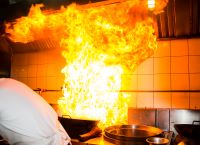
Regular kitchen extract cleaning and maintenance helps reduce grease accumulation, which is a key factor in preventing duct fires, particularly during periods of sustained hot weather and increased kitchen demand.
Ventilation Hygiene
As soon as temperatures begin to rise, the first thing most office workers reach for is the air conditioning control. It is therefore essential that supply ventilation systems remain as contaminant-free as possible.
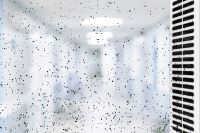
Excessive dust and dirt within ventilation systems can create unhygienic conditions, produce unpleasant odours, and in more serious cases, contribute to poor indoor air quality that may affect the health and wellbeing of building occupants.
Routine inspection and cleaning of ventilation systems helps ensure that they continue to operate safely, efficiently, and in line with compliance requirements.
In Summary
A long, hot summer is something many of us look forward to after the depths of winter, but warmer temperatures can place additional pressure on building systems and increase compliance risks.
Having a thorough sampling, flushing, and testing management plan in place can mean the difference between safe and unsafe water systems. Similarly, increased demand on kitchen extract systems and higher internal duct temperatures can elevate the risk of fire if grease build-up is not properly controlled.
Staying proactive with monitoring, maintenance, and inspection ensures that compliance is maintained, regardless of the season. Get in touch today for a free quote or to find out more information and to check your compliance.
FAQs
1. Why is water hygiene monitoring especially important during warmer months?
Warmer temperatures can create ideal conditions for Legionella bacteria to grow, particularly in areas like water tanks located in warm loft spaces. Regular temperature monitoring, water sampling, and bacteria testing help identify any issues early, ensuring water systems remain safe and compliant throughout the hotter months.
2. How does hot weather affect grease build‑up and fire risk in kitchen extract systems?
During warmer months, increased kitchen temperatures can place additional strain on extraction systems. If grease build‑up is already present, the combination of heat and reduced efficiency can significantly increase fire risk. Routine cleaning and maintenance ensure the extraction and supply systems operate efficiently, reducing fire hazards during periods of increased heat and kitchen demand.
3. Why should ventilation systems be inspected and cleaned before and during warm seasons?
As temperatures rise, building occupants rely more on air conditioning. If ventilation systems contain excess dust, dirt, or contaminants, this can lead to unpleasant odours, reduced system efficiency, and poor indoor air quality. Regular inspection and cleaning help maintain safe airflow, support occupant wellbeing, and keep systems compliant with hygiene requirements.