Making Sure There Isn’t Something in the Water…
Air and Water Hygiene Services for Hospitals: Part Three
By Aaron Whiting, Technical Sales Consultant – Water Services
Clean water is essential to every hospital, and Legionella control is not only an important hygiene and health measure, but a legal duty too. Hospitals house, albeit temporarily, some of the most vulnerable individuals, including newborns and children, those with weakened immune systems, those with chronic respiratory conditions, and the elderly. All of whom are at significantly higher risk of contracting Legionnaires’ disease from legionella bacteria. It is vital that the water is clean and safe for everyone.
Legionella bacteria thrive in warm, stagnant water and can proliferate in complex hospital plumbing networks. Bacteria can be contained in minute water aerosol particles, and inhaled, causing Legionnaires’ disease, a severe form of pneumonia, which can be fatal for those who are medically vulnerable.
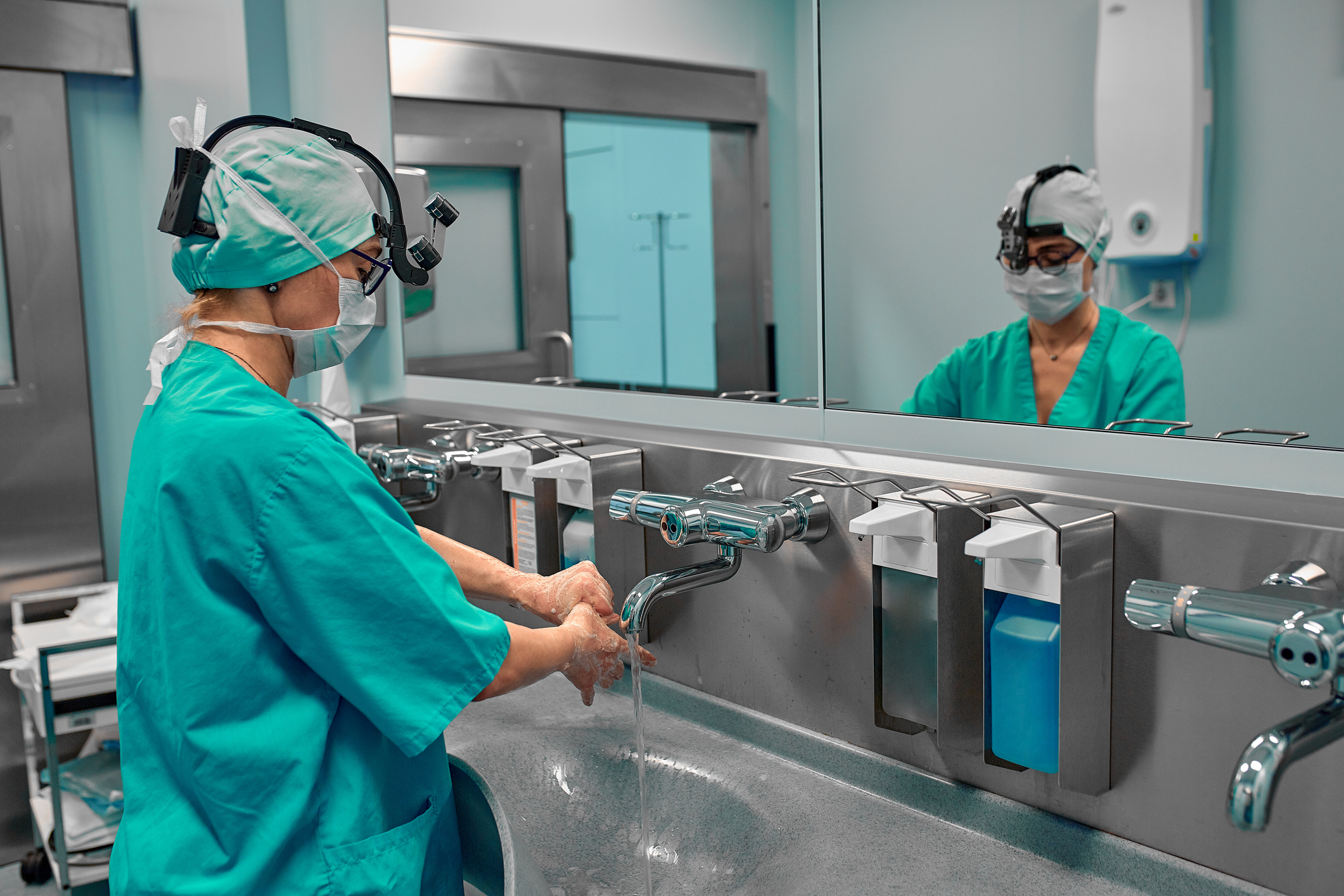
Hospitals are uniquely high-risk environments because they contain large-scale, complex water systems with numerous outlets; including showers, taps, cooling towers, and certain medical equipment which may generate water aerosols. Hospitals occasionally also have areas with intermittent usage, where water stagnation can occur.
Even a single lapse in water safety management can result in significant clinical risk and major operational disruption.
Compliance with HSE Approved Code of Practice (ACoP) L8
The cornerstone of UK Legionella control is ACoP L8. It outlines requirements for:
- Risk assessments
- Control schemes
- Monitoring and record-keeping
- Competent personnel
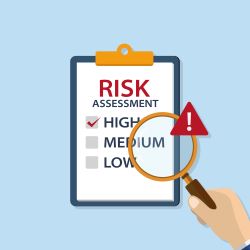
A comprehensive Legionella Risk Assessment should be conducted by a competent person, identifying potential hazards such as dead legs and low-use water outlets; inadequate water temperatures; biofilm formation; system design flaws, and in the case of water tanks, insufficient shading and protection from solar gain.
Risk assessments should, ideally, be reviewed at least every two years or whenever system changes occur. They must also be updated whenever the Responsible Person changes. They are legally liable for compliance, so a change of personnel in this key role should trigger a new risk assessment.
Water Temperature Testing
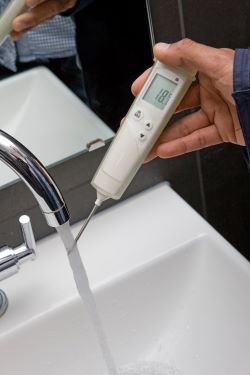
Water temperature remains a primary control strategy in most UK hospitals. Cold water should have a temperature below 20°C, whilst hot water should be stored at 60°C, and distributed at higher than or equal to 55°C. TMVs may be used to prevent scalding at outlets, but they require regular maintenance to avoid bacterial growth.
Water temperatures should be routinely tested every month to ensure that they are within these critical parameters. With some training, your in-house team can conduct this routine monitoring, but, if you are in any doubt, you should call in a specialist provider.
Routine Monitoring and Flushing
In addition to temperature readings, routine water system monitoring should include the inspection of tanks and calorifiers; cleaning and descaling of outlets; and the regular flushing of little-used taps or showers. Flushing should be conducted with care to ensure that inhalable aerosols are not generated.
Routine Legionella sampling is recommended in hospitals, particularly in operating theatres or high-risk wards, showers, and any areas with a history of contamination. Results should be reviewed promptly, with clear escalation procedures for remedial action.
Training and Competence
All personnel involved (including estates management teams, infection control staff, and external contractors) must be properly trained in Legionella control awareness. When appointing an external Legionella Risk control provider, you should select a member of the Legionella Control Association (LCA) with a long, verified membership. LCA members are checked and audited annually by the LCA and granted a new certificate of membership, indicating that they are competent and expert in their field. Competence is essential for legal compliance.
Your own team will benefit from some Legionella prevention training. We run courses in this. Training ensures consistent understanding of system operation, risks and control strategies, as well as emergency procedures should Legionella be detected.
Robust Record-Keeping
You must be able to demonstrate your L8 compliance in the event of any external investigation. UK legislation requires hospitals to maintain clear, auditable records of all water safety actions, including risk assessments, temperature logs, flushing schedules, sampling results, and maintenance and remedial works.
In the event of a Legionella outbreak, these records will be vital. The Responsible Person and the NHS will need evidence to demonstrate that they have been diligent in following Legionella control measures – especially ACoP L8.
If deemed to have been negligent, both the Responsible Person and the NHS Trust can be prosecuted. If convicted, the consequences are extremely serious. The Responsible Person may face a custodial sentence, especially if there have been fatalities due to Legionnaire’s Disease. The Trust itself can also be held negligent, and limitless fines can be imposed. In some cases, if senior executives of the Trust are deemed to be individually negligent, they too may face a custodial sentence.
Ongoing Vigilance

Legionella control in UK hospitals is not a one-time exercise but an ongoing responsibility. By integrating strong risk assessments, continuous monitoring, staff competence, expert specialist advice and guidance, and robust governance, healthcare organisations can protect patients, comply with legal obligations, and maintain healthy water systems.