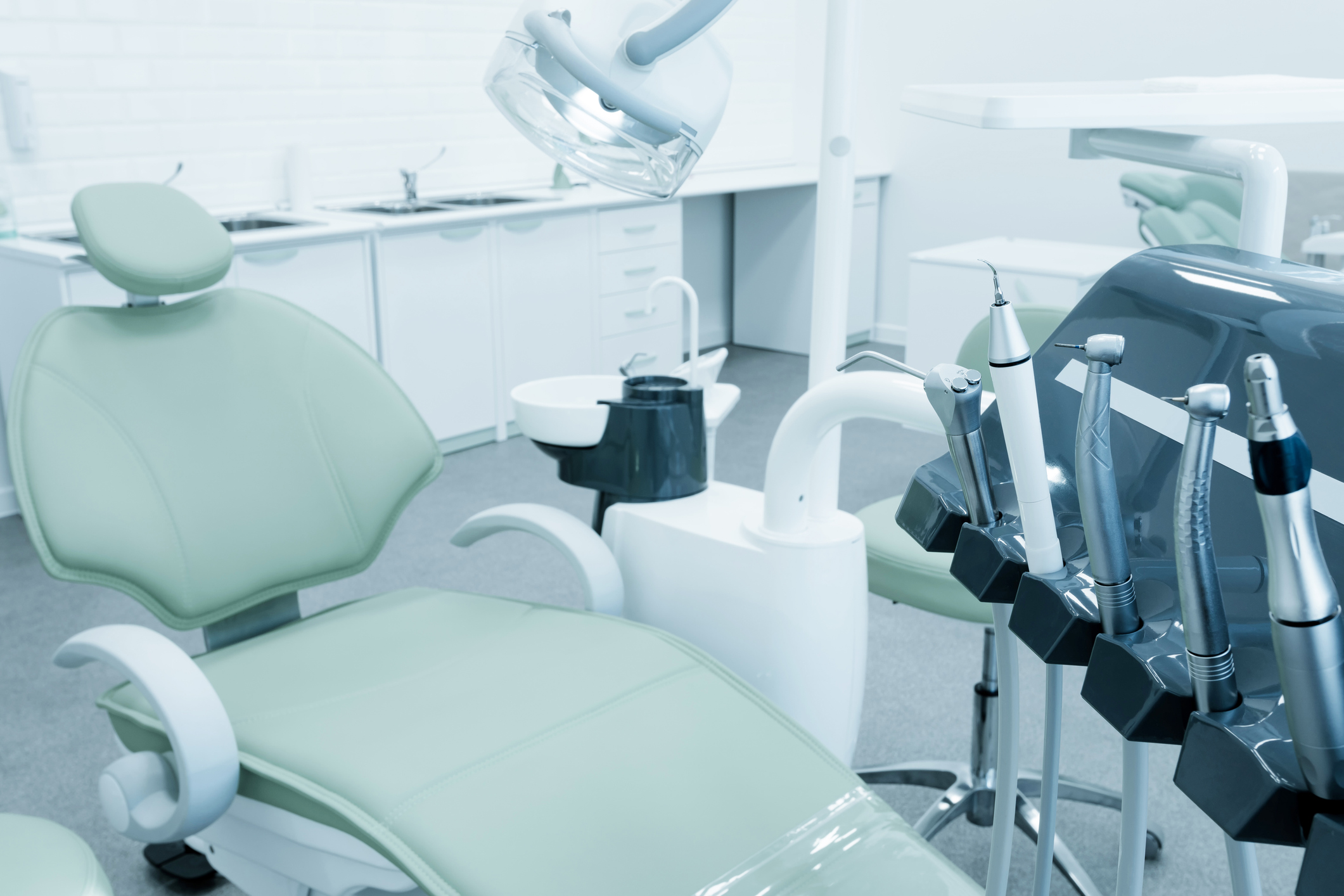
How to Manage Legionella Risk in Your Dental Practice
Legionella Risk Assessments are An Essential Part of Effective Dental Water Hygiene Management
Most dental professionals are well aware of the important role that water hygiene plays within their practice. Water quality management, dental unit water line (DUWL) maintenance and infection control procedures have become established parts of modern dental care, helping to protect both patients and staff.
However, maintaining safe water systems requires more than day-to-day management alone. Regular Legionella risk assessments remain a crucial element of compliance, risk management and patient safety, ensuring that practices can demonstrate they are meeting their legal and regulatory obligations.
This guide sets out why Legionella risk assessments matter for dental practices, what your legal responsibilities are, and how Swiftclean can support you in meeting them.
Why Legionella Remains a Consideration for Dental Practices

Dental treatments routinely generate aerosols using water supplied through dental unit water lines. As a result, patients, clinicians and support staff may be exposed to waterborne microorganisms present within the system.
While the vast majority of dental practices have robust water hygiene procedures in place, dental water systems can still create conditions that support biofilm development if not properly monitored and maintained. Biofilms can harbour potentially harmful bacteria, including Legionella, making effective risk assessment and management essential.
Legionella bacteria thrive in water systems where temperatures sit between 20 and 45 degrees Celsius, where water stagnates in pipework or storage systems, or where nutrients such as scale, rust and biofilm are present. Dental unit water lines, with their narrow bore tubing and relatively low flow rates, can be particularly susceptible to these conditions if not properly managed.
Key risk factors in dental water systems: Narrow bore dental unit water lines with low flow rates, water storage tanks subject to temperature fluctuations, infrequently used outlets during practice closures or low-occupancy periods, and ageing pipework infrastructure can all increase Legionella risk if not identified and managed through a current risk assessment.
Legionella Risk Assessments for Dental Practices
A Legionella risk assessment helps practices identify any vulnerabilities within their water systems and ensures appropriate control measures remain effective.
| Find out what happens at a Legionella risk assessment and what to expect from the process in our dedicated guide. |
Understanding Your Legal Responsibilities
Legionella risk management is not simply considered good practice; it is a legal requirement under health and safety legislation.
The Health and Safety Commission’s guidance, The Control of Legionella Bacteria in Water Systems – Approved Code of Practice and Guidance (ACoP L8), applies to all premises covered by the Health and Safety at Work Act 1974, including dental practices.
As employers, dentists have a statutory duty to:
- Conduct a suitable and sufficient Legionella risk assessment.
- Identify potential sources of risk.
- Assess who may be affected and how.
- Implement appropriate prevention and control measures.
- Review and update assessments when circumstances change.
For many practices, the challenge is not recognising the importance of water hygiene but ensuring that risk assessments remain current and accurately reflect the condition and operation of their water systems.
Important: A Legionella risk assessment that was completed several years ago and has not been reviewed since may no longer be valid. ACOP L8 requires assessments to be reviewed regularly and whenever there is reason to believe they may no longer be current. An out-of-date assessment provides limited legal protection and may not reflect the actual risk within your water system.
Supporting Compliance with HTM 01-05
The Department of Health’s Health Technical Memorandum (HTM 01-05) was introduced to strengthen standards around decontamination and infection prevention in primary care dental settings.
Water quality management forms an important part of these requirements, and a Legionella risk assessment can help practices demonstrate compliance with the expectations set out within the memorandum.
An up-to-date assessment provides documented evidence that risks have been identified, evaluated and appropriately controlled, supporting a practice’s wider infection prevention strategy.
Check Your Legionella Compliance Today
Not sure whether your dental practice water system meets current ACOP L8 and HTM 01-05 requirements? Use our free compliance checker or speak to our water hygiene specialists.
Check Your Compliance Call Us: 0800 243 471Meeting Care Quality Commission Requirements
All dental practices, whether NHS or private, must register with the Care Quality Commission (CQC) and meet its registration requirements.
During inspections, practices may be asked to demonstrate how they manage water safety risks, including Legionella control.
Relevant evidence may include:
- Legionella risk assessments.
- Water hygiene policies and procedures.
- Flushing records.
- Temperature monitoring records.
- Maintenance documentation.
- Records of any remedial work undertaken.
| Document or Record | Why It Matters |
|---|---|
| Legionella risk assessment | Demonstrates that risks have been identified and evaluated in line with ACOP L8 |
| Written scheme of control | Documents how risks will be managed and controlled on an ongoing basis |
| Water hygiene policies and procedures | Provides evidence of a structured approach to infection prevention and water safety |
| Flushing and outlet management records | Demonstrates that stagnation is being actively managed, particularly during low-use periods |
| Temperature monitoring records | Confirms that hot and cold water systems are being maintained within safe temperature parameters |
| Records of remedial works undertaken | Provides an audit trail confirming that identified issues have been addressed promptly |
Maintaining clear documentation and a current risk assessment helps demonstrate a proactive and responsible approach to compliance.
A Proactive Approach to Water Safety

Even in well-managed dental practices, water systems can change over time. Alterations to plumbing, changes in occupancy, periods of low use, and ageing infrastructure can all influence the level of risk.
Regular Legionella risk assessments provide an opportunity to:
- Review existing control measures.
- Identify potential areas of concern.
- Ensure legal compliance.
- Support patient and staff safety.
- Maintain confidence during inspections.
By taking a proactive approach, practices can ensure that their water hygiene programme remains effective and aligned with current guidance.
Tip: Dental practices are particularly vulnerable to increased Legionella risk following periods of closure, such as annual leave, bank holidays or emergency shutdowns. Water that has been standing in pipework during closure periods should be flushed before the practice reopens to patients. This should be documented as part of your water hygiene records.
How Swiftclean Can Help
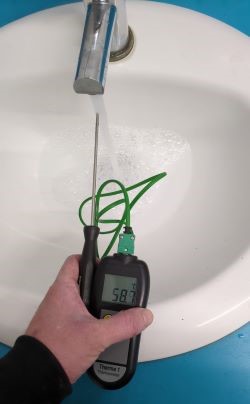
Managing water hygiene requirements can be complex, particularly when balancing clinical responsibilities with regulatory compliance. Swiftclean works with dental practices across the UK to help ensure water systems are safe, compliant and effectively managed.
Our services for dental practices include:
- Legionella risk assessments carried out in line with ACOP L8 and HTM 01-05
- Water hygiene monitoring and microbiological testing
- Temperature monitoring programmes for hot and cold water systems
- Dental unit water line management support
- Water system inspections and asset surveys
- Remedial works and system improvements
- Ongoing compliance support, documentation and guidance
With extensive experience in healthcare environments and its long term membership of the Legionella Control Association (LCA), Swiftclean understands the specific requirements facing dental practices and can help deliver practical, compliant solutions that support patient safety and regulatory obligations.
Need a Legionella Risk Assessment for Your Dental Practice?
Swiftclean provides Legionella risk assessments and ongoing water hygiene support for dental practices across the UK. Get in touch to discuss your requirements or arrange an assessment.
Find Out More Call Us: 0800 243 471Keeping Water Hygiene High on the Agenda
Dental professionals rightly place a strong emphasis on infection prevention and water quality management. An up-to-date Legionella risk assessment is an important part of that commitment, helping practices maintain compliance, protect their reputation and provide a safe environment for everyone who walks through the door.
By combining effective day-to-day water hygiene management with regular professional risk assessments, dental practices can continue to demonstrate the highest standards of care – and with support from specialists such as Swiftclean, maintaining compliance can be both straightforward and effective.
| If your dental practice has recently moved into new premises or undergone a refurbishment, Legionella risk should still be assessed before the water systems are put into regular use. Read our guide on why new buildings can still develop Legionella before occupation to find out why. |
Your Dental Practice Legionella Questions Answered
Yes. Under the Health and Safety at Work Act 1974 and ACOP L8, all dental practices have a legal duty to assess and manage the risk of Legionella within their water systems. This applies to both NHS and private practices. A suitable and sufficient risk assessment must be carried out, and a written scheme of control must be developed where a foreseeable risk is identified. Failure to comply can result in enforcement action from the HSE.
ACOP L8 requires risk assessments to be reviewed regularly and whenever there is reason to believe they may no longer be valid. For dental practices, this includes following any alterations to the plumbing system, changes in occupancy or practice layout, periods of extended closure, or where monitoring results indicate a change in risk. As a general guide, a full review every two years is considered good practice, though higher-risk premises may require more frequent assessment.
HTM 01-05 is the Department of Health’s Health Technical Memorandum for decontamination in primary care dental settings. It includes specific guidance on water quality management, dental unit water line maintenance and microbiological monitoring. A current Legionella risk assessment supports compliance with HTM 01-05 by providing documented evidence that water-related risks have been identified and are being effectively managed within the practice.
Dental practices should maintain a current Legionella risk assessment, a written scheme of control, water hygiene policies and procedures, flushing and outlet management records, temperature monitoring logs, microbiological water testing results, and records of any remedial works carried out. These records should be organised and readily accessible for CQC inspections and HSE enquiries.
If Legionella bacteria are detected in a water sample, immediate action is required. The practice should contact a qualified water hygiene specialist, carry out a risk assessment review to identify the likely source and contributing factors, implement immediate control measures such as increased flushing or disinfection, arrange a full system disinfection if indicated, and document all actions taken. Depending on the level of contamination detected, it may be necessary to restrict the use of affected water outlets until the system has been brought back under control and verified through re-testing.