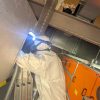
The Football Season Is Underway, Is Your Stadium Compliant?
As the football season begins, stadiums around the country are subjected to tens of thousands of supporters every weekend. This places an increased demand on hospitality, catering, ventilation, water systems, and every other aspect of a stadium.
With that in mind, it’s essential for stadiums to remain compliant when it comes to maintenance – but are you currently doing the right things?
This guide focuses on the four areas where Swiftclean can directly support stadium operators: ventilation hygiene, kitchen extract fire safety, fire damper testing and Legionella control.
Quick answer:
Stadium compliance should be planned around the full season. Ventilation hygiene, kitchen extract fire safety, Legionella control and fire damper testing all need clear responsibilities, appropriate inspection intervals and documented evidence.
What compliance checks does a stadium need?
Stadiums in the UK have different compliance obligations depending on their capacity, ownership, activities and the events they host. Larger grounds used for Premier League and Football League matches may be subject to safety certification arrangements, but operators should confirm the exact requirements with the relevant local authority and safety advisory group.
A stadium’s wider compliance programme may need to consider:
- Fire safety.
- Structural safety.
- Water safety and Legionella control.
- Gas safety.
- Electrical systems and equipment.
- Crowd management.
- Accessibility.
- Emergency lighting.
- Ventilation hygiene.
- Kitchen extract fire safety.
- Fire damper inspection and testing.
- Food safety and catering operations.
- Contractor competence and record keeping.
The list is extensive, and you must ensure that your stadium complies with the government guidelines for all of these.
Not sure if your stadium is compliant? Use our compliance checker or give us a call.
Use Our Free Compliance Checker Call Us – 0800 243 471How Do You Maintain a Football Stadium?
Maintaining a football stadium is a significant challenge based on the sheer size of the facility. It starts with a strict maintenance schedule to ensure that all parts of the ground are looked after. Planned maintenance should involve daily and weekly cleaning that keeps the stadium in good working order – though there should also be extra attention placed on:
Ventilation Systems
Stadiums will have massive ventilation systems running throughout the building, and seasonal checks are required to maintain them. Ventilation cleaning services are necessary to keep these systems running accordingly, while also avoiding any potential fire safety hazards due to a buildup of dust and debris – especially in toilet extract systems, laundry extract systems and of course the kitchen extract systems.
BESA guidance indicates that inspections should not exceed 12-month intervals for most systems, although the appropriate inspection and cleaning frequency depends on the system, its use and measured contamination.
Swiftclean Tip:
Do not assume that clean-looking grilles mean the ductwork is clean. An internal inspection is the most reliable way to assess accessible and less visible parts of the ventilation system.
Commercial Kitchens
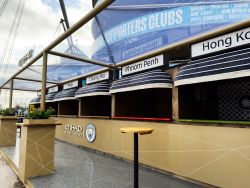
Football stadiums operate catering facilities on a scale comparable to some of the busiest commercial kitchens in the country. High-volume food preparation takes place across multiple kitchens, concession areas and hospitality facilities on matchdays.
Frequent cooking can generate grease deposits within kitchen extract systems. If not managed, this can increase fire risk.
Legionella Control
Stadium water systems can include showers, changing rooms, toilets, kitchens, hot-water storage, cold-water tanks, irrigation systems and outlets that are only used on matchdays. Periods of low use can increase the risk of water stagnation.
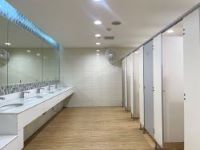
Duty holders with control of premises and water systems should assess the risk of exposure to Legionella, implement suitable control measures, monitor those measures and retain records. The HSE’s L8 guidance also highlights the importance of appointing a competent person to manage the risks.
The HSE recommends that infrequently used outlets, including showers and taps, are flushed at least weekly and that showerheads and hoses are cleaned and descaled at least quarterly. Sampling frequency should be determined by the risk assessment.
Fire Damper Testing
Fire dampers help maintain compartmentation where ductwork passes through fire-resisting walls, floors or other boundaries. In a large stadium, ductwork may serve concourses, hospitality areas, changing rooms, kitchens and back-of-house spaces. Your fire strategy and fire compartmentation drawings should advise you of where these are.
Fire dampers should be identified, accessible, inspected and function tested. BS 9999 guidance is commonly used to inform fire damper testing programs, with dampers generally tested following installation and at least every 12 months. More frequent testing may be appropriate where dampers are exposed to dust, grease or other contamination.
Is your stadium compliant? Book a Legionella risk assessment, fire damper test, ventilation clean or kitchen extract clean with Swiftclean.
Book a Compliance SurveyWhy Is Ventilation Hygiene Important in Stadiums?
Stadium ventilation systems are among the most complex in any commercial building type. Large concourse areas, hospitality suites, changing rooms and back-of-house catering operations all place significant and varied demands on mechanical ventilation throughout the season.
Over time, dust, debris and other contaminants accumulate within ductwork, restricting airflow, reducing system efficiency and creating conditions that could affect indoor air quality in enclosed areas. For large, heavily used spaces such as stadium concourses and hospitality lounges, maintaining clean ventilation is important both for occupant comfort and for meeting the compliance requirements that apply to enclosed public spaces.
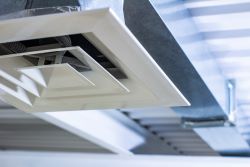
Professional ventilation cleaning carried out in line with the BESA TR19 Air specification provides the documented evidence that the system has been inspected and cleaned to a recognised standard. For stadiums, scheduling cleaning outside of the matchday calendar ensures no disruption to operations.
At Swiftclean, we provide TR19 Air compliant ventilation duct cleaning for large and complex commercial buildings, including sporting venues, with full post-clean verification reports provided on completion.
Why Does Kitchen Extract Fire Safety Matter?
Football stadiums operate catering facilities on a scale comparable to some of the busiest commercial kitchens in the country, with high-volume food preparation taking place on matchdays across multiple kitchen areas and concession points.
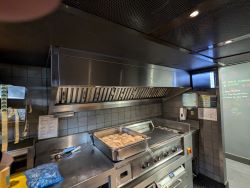
The volume and frequency of cooking generates significant grease accumulation within kitchen extract ductwork. Left unmanaged, this presents a serious fire risk. UK Fire and Rescue services estimate that around 70 percent of commercial kitchen fires in the UK are attributed to the grease extract ventilation system.
Kitchen extract cleaning carried out in line with the BESA TR19 Grease specification addresses this risk by removing accumulated grease deposits throughout the extract system, including ductwork, fans and canopy plenums, and providing documented compliance evidence through a post-clean verification report.
For stadium operators, the cleaning frequency will depend on how heavily the kitchens are used. A site-specific assessment can confirm the appropriate interval, but high-volume matchday catering operations are likely to fall within the three to six month cleaning range under TR19 Grease guidance.
Do Stadiums Need Legionella Risk Assessments?
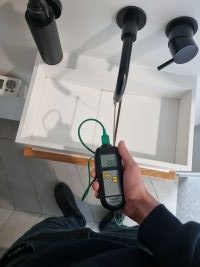
Yes, all football stadium operators in the UK should conduct a Legionella risk assessment and written scheme across their water systems. This doesn’t mean that every stadium needs the exact same testing practice – or that they need to send away water samples. Risk assessments should be conducted around areas that are particularly high-risk of Legionella, including changing rooms, toilets, kitchen facilities, hot water storage systems, and other places where there could be stagnant water.
So, is your stadium compliant? A proper maintenance plan will help you align with all the necessary compliance checks and prevent your stadium from being shut down. It’s important to know what you should focus on so you can avoid making common mistakes.
Planning Compliance Around the Season
The football calendar creates predictable windows for planned maintenance work. Pre-season, international breaks, winter breaks and the summer close-season all offer opportunities to schedule ventilation cleaning, kitchen extract cleans and water hygiene works without disruption to matchday operations.
Working with a single compliance provider who can coordinate ventilation hygiene, kitchen extract fire safety, fire and smoke damper testing and Legionella control within one planned program simplifies scheduling, reduces the number of contractor relationships to manage, and ensures documentation is consistent and centrally held.
If you manage a stadium or sporting venue and want to review your current compliance position across ventilation hygiene, kitchen extract fire safety and water hygiene, Swiftclean can help you assess where you stand and build a program that fits around your season.
What Our Customers Say:
“In August 2026, Swiftclean carried out a deep clean of the kitchen at Farnborough Rugby Union Football Club. The results were very good and were reflected in the comprehensive report. The Club will be using Swiftclean again for the August 2027 deep clean.”
— Robin, Farnborough Rugby Union Football Club

Stadium Compliance FAQs
How often should stadium ventilation systems be cleaned?
There is no universal cleaning interval. Cleaning should be based on inspection findings, system type, usage and contamination levels. BESA TR19 Air provides a framework for assessing and managing ventilation hygiene. Inspections of general ventilation systems should not exceed 24 months and 12 months for catering and laundry extracts.
How often should stadium kitchen extract systems be cleaned?
TR19 Grease provides starting intervals based on kitchen use. Heavy use is every three months, moderate use is every six months and light use is annually. A stadium-specific assessment should confirm the correct frequency based on operating hours, cooking methods and grease accumulation.
How often should fire dampers be tested in a stadium?
Fire dampers should be identified, accessible and function tested. BS 9999 guidance is commonly used to inform testing programs, with testing generally required following installation and at least every 12 months. More frequent testing may be needed where dampers are exposed to dust, grease or contamination.
Can Swiftclean work around matchdays?
Yes. Swiftclean can plan ventilation cleaning, kitchen extract cleaning, Legionella control and fire damper testing around the fixture list, maintenance windows and operational requirements.
Is your stadium compliant?
Speak to the Swiftclean team about ventilation cleaning, kitchen extract fire safety, fire damper testing and Legionella control.
Call us on 0800 243471
Get a Bespoke Compliance Quote