Legionella Compliance: Why No Illness Doesn’t Mean Safe Water
Why the Absence of Illness Doesn’t Prove Your Water System Is Legionella Safe
One of the most common misconceptions in Legionella management is the belief that if nobody has become ill, water systems must be being managed correctly.
At first glance, this seems logical. After all, if there have been no reported cases of Legionnaires’ disease, surely the controls are working?
Unfortunately, the reality is far more complex. When it comes to Legionella compliance, there is an important distinction between illness and exposure to risk. Understanding that difference is critical for anyone responsible for managing building water systems.
Legionella bacteria can be present in a water system without a confirmed case of illness. Effective compliance depends on identifying risks, maintaining appropriate control measures and keeping evidence that those measures are working.
Illness and Risk Are Not the Same Thing
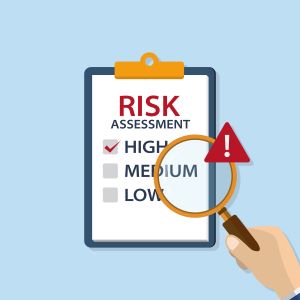
Legionnaires’ disease investigations often begin when someone becomes unwell. However, the focus of any subsequent investigation is rarely limited to the illness itself. Regulators will typically look beyond the health outcome and examine whether the organisation had appropriate measures in place to identify and control Legionella risks.
This distinction is important because an organisation can be found to have significant failings in its water management programme even where no confirmed case of illness has occurred. Likewise, a serious illness may simply be the event that brings underlying management failures to light.
The compliance issue is not solely whether someone became ill. It is whether a foreseeable risk was properly managed.
The Danger of Relying on Your Illness Record
Many organisations take comfort from the fact that they have never experienced a Legionella-related incident. While a clean record is obviously positive, it should not be viewed as evidence that water systems are compliant.
The absence of reported illness tells us very little about how effectively a system is being managed. Legionella bacteria can be present in a poorly controlled water system for extended periods without causing a confirmed case of disease. In some situations, individuals may be exposed without developing symptoms. In others, illnesses may never be traced back to their source with certainty.
As a result, judging the effectiveness of a water safety programme based purely on historic illness records can create a false sense of security.
Is Your Legionella Management Programme Up to Date?
Don’t rely on a clean illness record to judge water system safety. Swiftclean can help you assess Legionella risks and support effective water hygiene management.
Speak to Swiftclean Check Your CompliancePrevention, Not Reaction
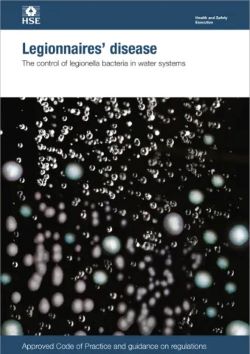
The purpose of Legionella management is to prevent exposure before anyone gets sick. This principle sits at the heart of ACoP L8, the Approved Code of Practice that provides guidance on controlling Legionella bacteria in water systems.
ACoP L8 places a duty on organisations to identify risks, assess them appropriately and implement suitable control measures. The expectation is not that action is taken only after a problem emerges. Rather, organisations should be able to demonstrate that risks are being actively managed on an ongoing basis.
This means maintaining suitable risk assessments, monitoring control measures, carrying out inspections and maintenance, keeping accurate records and ensuring responsibilities are clearly defined.
Ultimately, compliance is about proving that a system is under control, not proving that nobody has become ill.
Don’t wait for a problem to arise before reviewing your water hygiene arrangements. Make sure responsibilities are clear, risk assessments remain suitable, and monitoring, maintenance and corrective actions are documented.
Evidence Matters More Than Assumptions
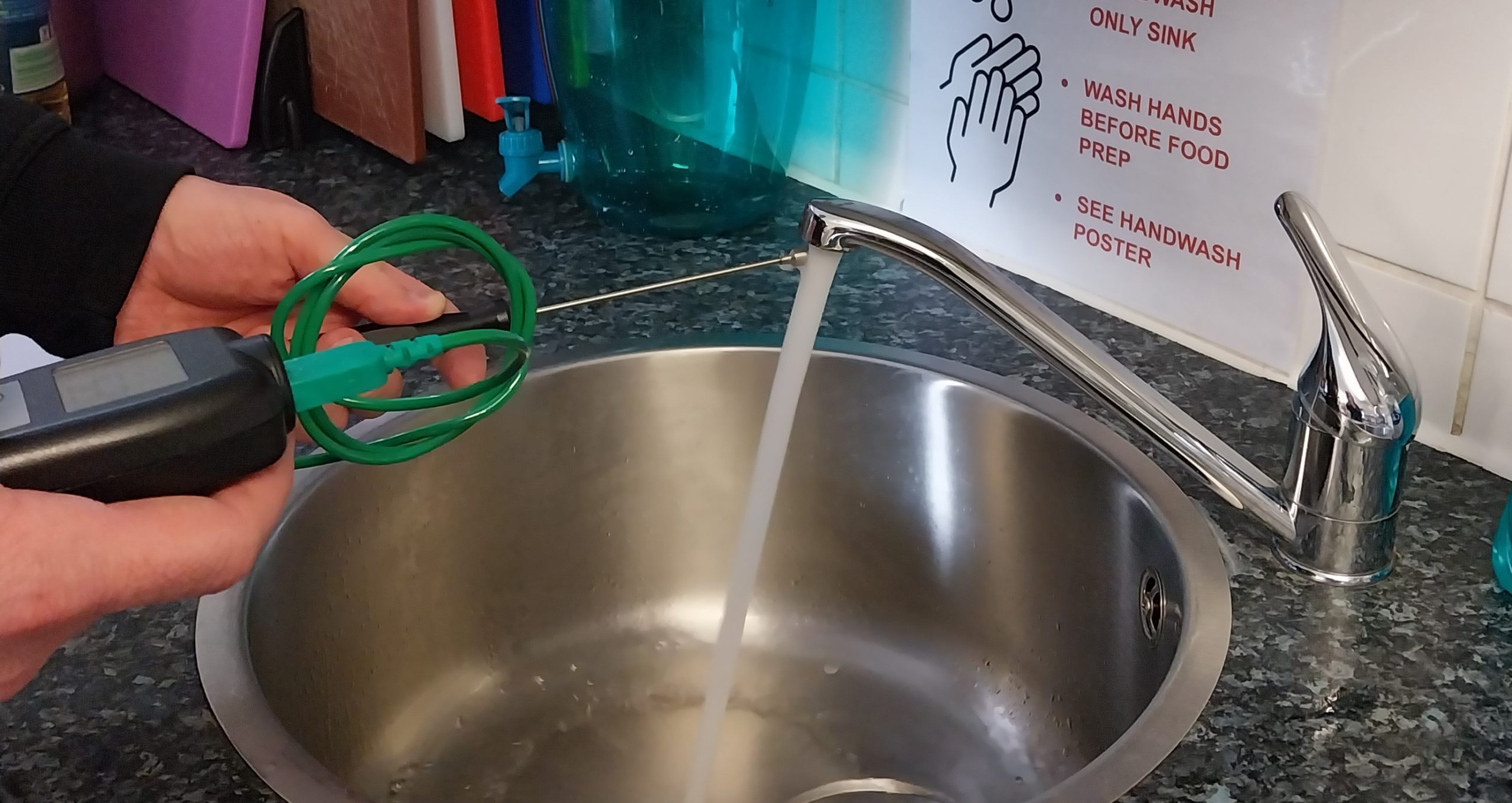
A robust Legionella management programme is built on evidence. Temperature monitoring records, inspection reports, maintenance documentation, flushing records and risk assessments all help demonstrate that a water system is being managed effectively.
By contrast, the statement “we’ve never had a case of Legionnaires’ disease” provides little insight into the condition of the water system itself. It does not confirm that temperatures are being maintained correctly, that outlets are being monitored, or that identified risks have been addressed.
In the eyes of regulators, documented evidence of control will always carry more weight than an absence of reported illness.
Can you locate your current Legionella risk assessment, identify who is responsible for water hygiene, review recent monitoring records and confirm that outstanding actions have been completed? If not, it may be time to review your arrangements.
The Bottom Line
When it comes to Legionella compliance, organisations should be careful not to confuse a lack of illness with a lack of risk. Serious deficiencies can exist within a water system long before anyone becomes unwell, and enforcement action can arise from failures to control those risks regardless of whether illness has occurred.
The real measure of compliance is not whether someone has become sick. It is whether the organisation can demonstrate that it understands the risks within its water systems and is taking effective steps to manage them.
Because in Legionella control, the goal is not simply to respond to illness. It is to prevent it from happening in the first place.
Take a Proactive Approach to Legionella Compliance
Effective Legionella control starts with understanding the risks and maintaining suitable control measures. Contact Swiftclean to discuss your water hygiene requirements and how we can help support your compliance arrangements.
Get a Bespoke Quote Call Us 0800 243 471Legionella Compliance FAQs
No. The absence of reported illness does not prove that Legionella risks are adequately controlled. Appropriate risk assessment, monitoring, maintenance and records are needed to demonstrate effective management.
ACoP L8 provides guidance on controlling Legionella bacteria in water systems. It describes an accepted approach to meeting relevant health and safety duties, including assessing risks and implementing suitable control measures.
There is no universal legal requirement to reassess every system annually. Reviews should take place when there is reason to believe the assessment is no longer valid, such as following changes to the water system, its use or relevant control arrangements.
Depending on the system and control scheme, relevant records may include the risk assessment, written control scheme, temperature monitoring, flushing, inspections, maintenance, remedial actions and details of responsible personnel.