
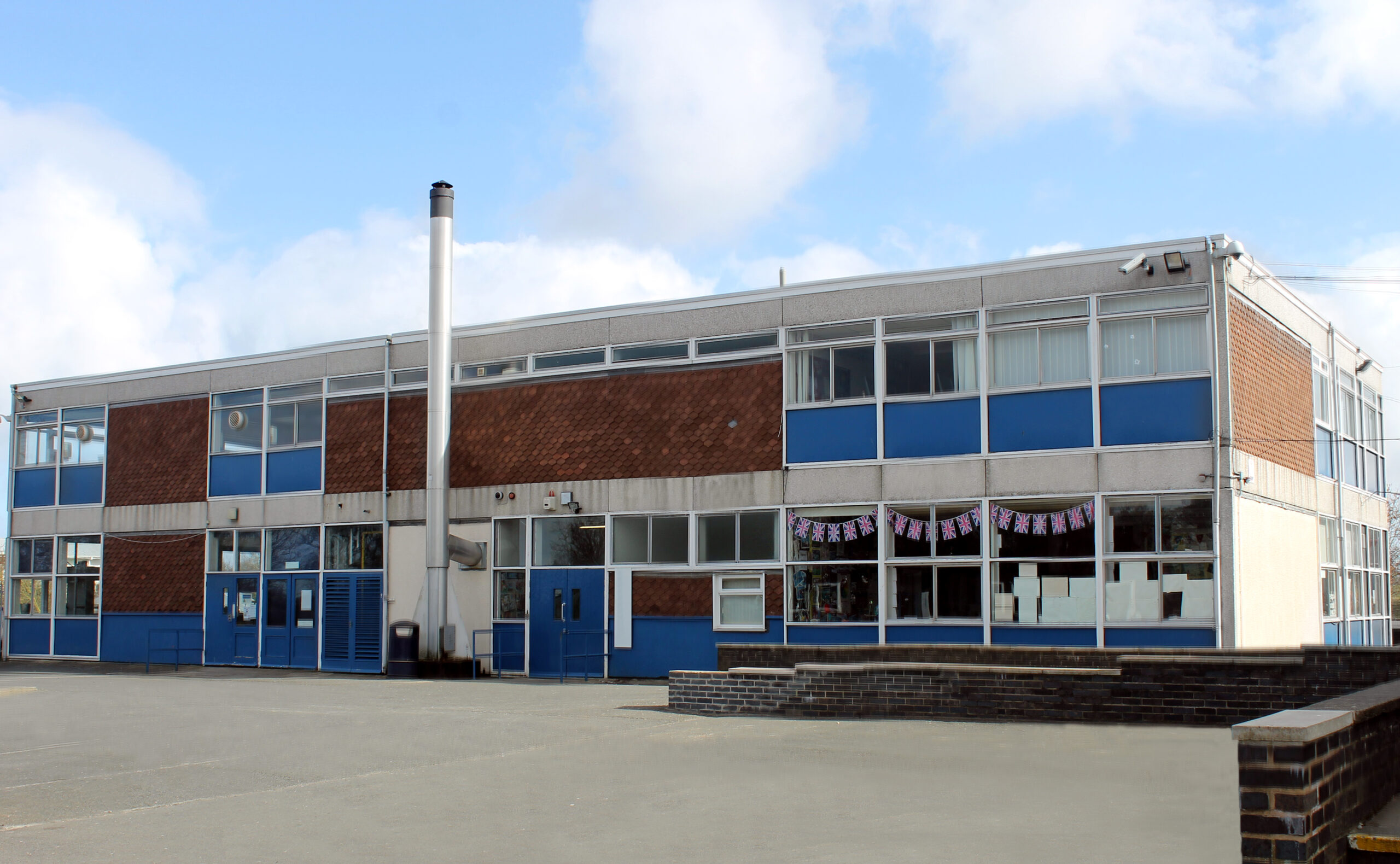
Ensuring Fire and Water Safety in Educational Premises
Why Fire and Water Safety Matter
Every educational setting must provide a safe environment for learning. While teaching quality and wellbeing are priorities, fire and water safety compliance is just as critical. Two high-risk areas – kitchen ventilation systems and water management – demand particular attention to prevent incidents that could endanger pupils, staff, and property.
Fire Safety in School Kitchens
Busy school kitchens generate heat, oils, and grease that accumulate in extraction ductwork, creating a serious fire risk. The TR19® Grease specification, set by the Building and Engineering Services Association (BESA), requires professional cleaning at least annually, and every three to six months where frying or oily foods are common.

Even a thin layer of grease can ignite and spread fire through ducting and roof spaces. Consequences include costly repairs, school closures, and safety risks.
To stay compliant and safe:
- Schedule regular TR19® Grease inspections and cleaning
- Keep detailed maintenance records
- Use accredited contractors for ductwork servicing
Regular preventative maintenance protects students, supports compliance, and reduces disruption.
Legionella Control in Water Systems
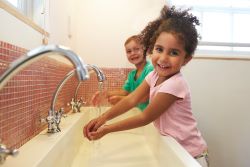
Legionella bacteria thrive in stagnant or poorly maintained systems, posing the risk of Legionnaires’ disease. The HSE’s Approved Code of Practice L8 (ACoP L8) outlines how schools must assess, control, and monitor their water systems.
Effective control includes:
- Routine risk assessments and water sampling
- Cleaning tanks, taps, and shower heads
- Maintaining hot and cold water at safe temperatures
Legionella management safeguards health, fulfils legal obligations, and demonstrates due diligence – particularly important where vulnerable individuals are present.
Integrated Safety and Compliance
Combining fire and water safety management within a single plan helps schools operate efficiently and meet regulatory requirements. Best practice involves:
- Scheduling maintenance during holidays or off-peak times
- Maintaining accurate compliance documentation
- Ensuring all contractors are DBS-checked and qu