

How to Conduct a Legionella Risk Assessment
Legionella bacteria can thrive in water systems if they are not properly managed, posing a real threat to health through the serious risk of Legionnaires’ disease. A legionella risk assessment is the first step in identifying hazards, protecting building users, and ensuring compliance with HSE guidance.
Many duty holders turn to an experienced legionella risk assessment company like Swiftclean for professional advice and testing. However, understanding what an assessment involves will help you to make informed decisions and stay in control of your compliance responsibilities.
Identifying and Assessing Water Systems
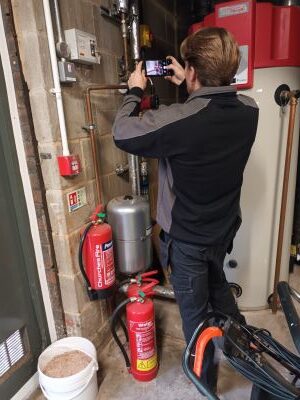
The assessment begins by identifying all water systems in the building, no matter how large or small. This includes hot and cold-water tanks, showers, taps, cooling towers, calorifiers, and any lengths of pipework where water may stagnate. Even features such as infrequently used outlets, decorative fountains, or humidifiers can present risks if not monitored.
An assessor will then examine how water is stored, circulated, and maintained across the system. Key factors such as water temperature, flow patterns, and the potential for scale, sediment or biofilm build-up are evaluated. By taking this detailed approach, a legionella risk assessment company can highlight the specific areas where bacteria are most likely to develop, allowing tailored control measures to be put in place.