
Air and Water Hygiene in UK Zoos: Behind the Scenes of Animal Welfare and Compliance
When we think of zoos, our minds naturally go to the animals – majestic lions, curious meerkats, and colourful tropical birds. But behind every animal is a carefully managed environment, and behind every environment is a building that must meet rigorous health and safety standards. Air and water hygiene play a crucial role in maintaining these standards, not just for the wellbeing of the animals, but also for the safety of staff and visitors.
Most UK zoos are made up of a diverse range of buildings, from purpose-built animal enclosures to visitor centres, cafes, and veterinary facilities. Each structure has its own unique requirements, especially when it comes to air and water systems. These systems must be regularly monitored, cleaned, and maintained to prevent the spread of bacteria, ensure proper ventilation, and support the specific needs of the animals housed within.
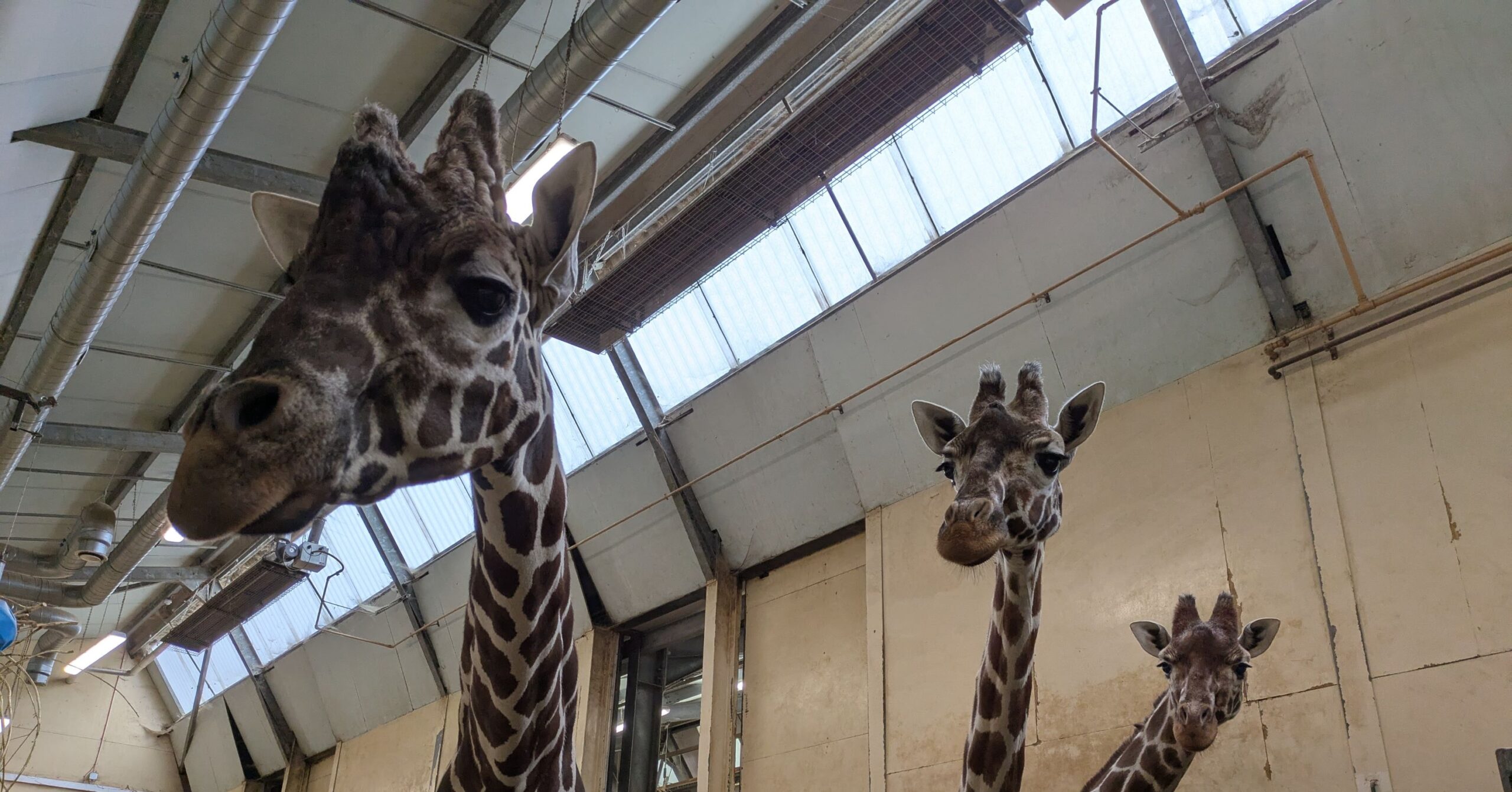
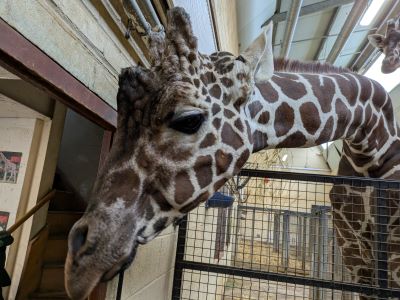
Animal enclosures are particularly complex. Aquariums require pristine water quality to support marine life, while reptile houses depend on precise temperature and humidity control. Giraffe houses must accommodate height and airflow considerations, and aviaries need well-ventilated spaces to mimic natural flight conditions. These environments are not just about comfort – they’re about survival.
But it’s not just the animal enclosures that require attention. Zoos also contain a wide range of public and operational facilities that must comply with air and water hygiene regulations:
– Visitor centres and educational spaces host thousands of guests and school groups, requiring clean air circulation and safe water supplies.
– Cafes and restaurants must meet food safety standards, which include regular water testing and kitchen ventilation checks.
– Toilets and washrooms need reliable water hygiene management to prevent issues like Legionella.
– Research facilities often house sensitive equipment and specimens, demanding controlled environments with clean air and water.
– Offices and meeting rooms used for staff operations and events must also be maintained to ensure a healthy working environment.