
Five Building Changes That Should Trigger a Legionella Review
Many duty holders understand the importance of having a Legionella risk assessment in place, but fewer realise that changes to a building or its use can significantly alter the level of risk within a water system. As a result, an assessment that was suitable a year ago may no longer accurately reflect current conditions.
Legionella bacteria can multiply when water systems experience changes in temperature control, water usage patterns, storage arrangements, or occupancy levels. For this reason, any significant alteration to a building should prompt a review of existing Legionella control measures.
Here are five common building changes that should trigger a Legionella review.
- Office Refurbishments
- Changes in Occupancy
- Installation of New Water Heaters
- Temporary Building Closures
- Converting Spaces for Different Uses
Unsure About Your Legionella Compliance?
Speak to Swiftclean for advice or complete our free compliance check to identify whether your water hygiene arrangements may need attention.
Call 0800 243 471 Complete a Free Compliance Check1. Office Refurbishments
Refurbishment projects often involve changes to plumbing systems, washrooms, kitchens, or building layouts. During construction work, sections of pipework may be removed, extended, isolated, or left unused for extended periods.
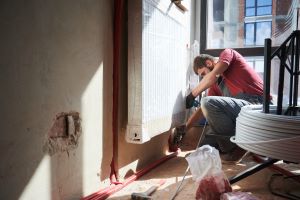
These changes can create conditions that encourage bacterial growth, including:
- Water stagnation in redundant pipework
- Altered water temperatures
- Dead legs within the system
- Reduced water turnover at outlets
Even relatively minor refurbishment work can affect the performance of a water system. Once work is completed, a Legionella review can help identify any new risks and ensure the system remains compliant with current guidance.
2. Changes in Occupancy
Building occupancy levels have changed dramatically in recent years, particularly with the rise of hybrid and flexible working.
Whether occupancy increases or decreases, water usage patterns are often affected. Reduced use of washrooms, kitchens, showers, and taps can result in water remaining in the system for longer periods, increasing the likelihood of stagnation.
Examples include:
- Offices adopting hybrid working practices
- Buildings operating below capacity
- Businesses expanding and increasing staff numbers
- New tenants occupying previously vacant spaces
A review can determine whether existing flushing regimes, monitoring programmes, and control measures remain appropriate for the current level of occupancy.
3. Installation of New Water Heaters

New plant and equipment can bring many operational benefits, but changes to hot water generation should always be assessed from a Legionella management perspective.
The installation of:
- Water heaters
- Calorifiers
- Water storage vessels
- Heat pumps
- Point-of-use heaters
may alter water temperatures, flow rates, storage capacity, or circulation patterns throughout the system.
Since temperature control is one of the key methods of Legionella prevention, it is essential to verify that any new equipment supports compliance with recommended temperature parameters and does not inadvertently create areas of increased risk.
4. Temporary Building Closures
Temporary closures can have a significant impact on water hygiene.
Whether due to refurbishment projects, seasonal closures, relocation activities, or low occupancy periods, buildings that remain partially or fully unoccupied often experience reduced water movement throughout the system.

Potential consequences include:
- Water stagnation
- Loss of disinfectant residuals
- Biofilm development
- Increased bacterial growth
When a building reopens, duty holders should ensure the water system has been appropriately reviewed, flushed, cleaned, and tested where necessary before normal occupation resumes.
A Legionella review can help identify any remedial actions required to safely return the system to operation.
5. Converting Spaces for Different Uses
Changing the function of a space can alter how water is used and may introduce new risks that were not considered in the original assessment.
Examples include:
- Converting office space into welfare facilities
- Creating shower or changing room facilities
- Repurposing rooms for healthcare or educational use
- Introducing commercial kitchens or catering areas
- Changing storage areas into occupied workspaces
These changes can affect water demand, usage frequency, and the number of people exposed to the system. In some cases, they may also introduce higher-risk user groups who require additional controls and monitoring.
A Legionella review ensures that risk assessments and management plans remain aligned with the building’s current use.
Has Your Water System Changed?
Contact Swiftclean to discuss a Legionella risk assessment following refurbishment, building closure or changes in occupancy.
Book a Risk AssessmentDon’t Let Building Changes Create Hidden Compliance Gaps
Legionella risk assessments should never be viewed as a one-time exercise. Buildings evolve, occupancy patterns change, and water systems are frequently modified to meet operational requirements.
Whenever significant changes occur, duty holders should review their Legionella risk assessment to confirm that existing control measures remain effective and that compliance obligations continue to be met.
By identifying risks early, organisations can help protect building occupants, maintain regulatory compliance, and reduce the likelihood of costly remedial work in the future.
How Swiftclean Can Help

Swiftclean provides comprehensive water hygiene services across the UK, including Legionella Risk Assessments, monitoring programmes, water testing, and remedial support.
Our experienced specialists can review your water systems following building alterations, occupancy changes, equipment upgrades, or periods of closure, helping you maintain compliance and protect the health of building users.
Contact Swiftclean to discuss your Legionella management requirements and ensure your water systems remain safe, compliant, and fit for purpose.
Book Your Legionella Risk Assessment
Help protect building users and review your water hygiene arrangements with support from Swiftclean’s experienced team.
Book a Risk Assessment Call 0800 243 471


