The Hidden Hygiene Risks in Food Production Facilities: Looking Beyond Surfaces
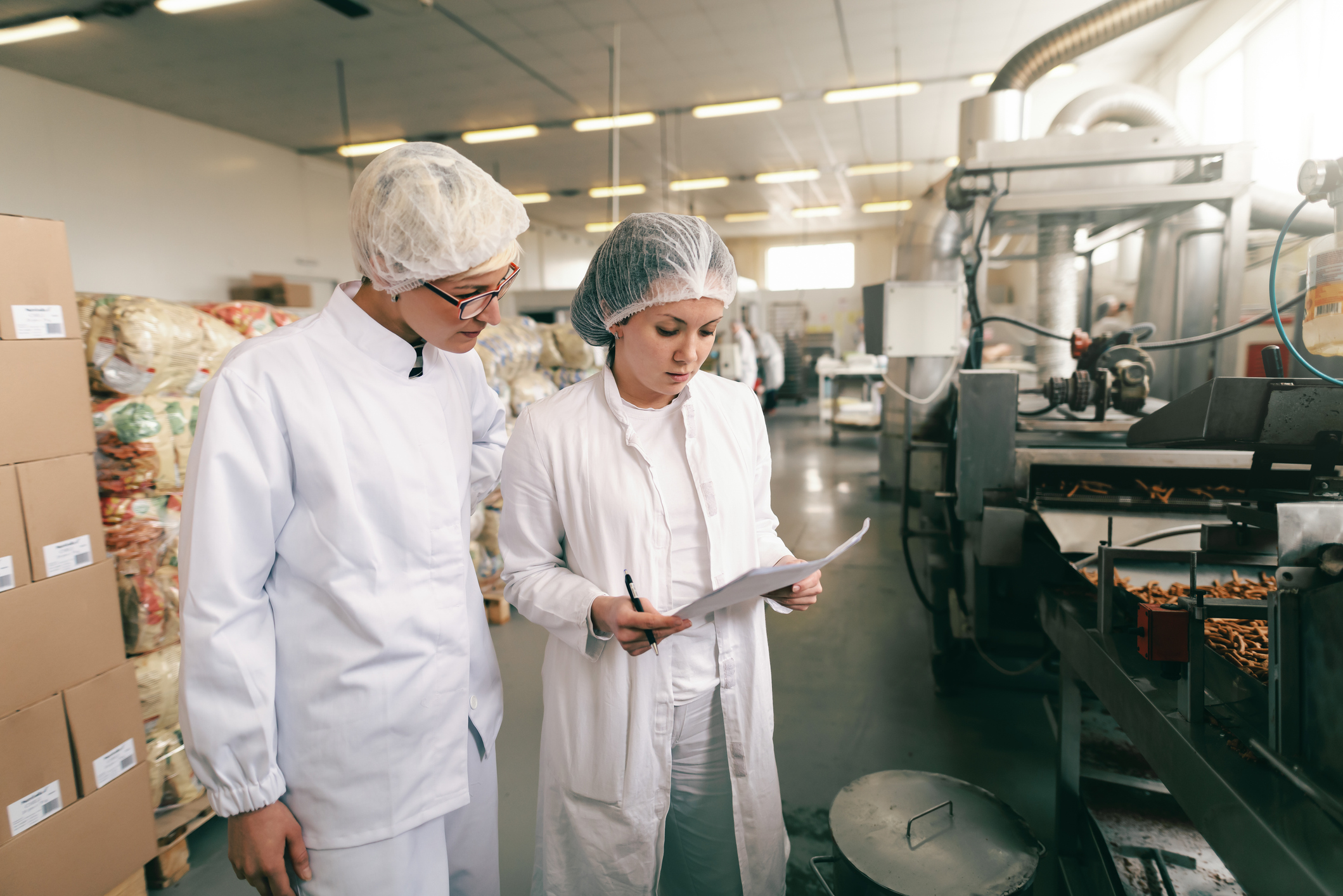
Food production facilities operate under some of the strictest hygiene standards of any industry. Daily cleaning regimes, staff hygiene protocols, and quality control measures are all designed to protect product integrity and consumer safety.
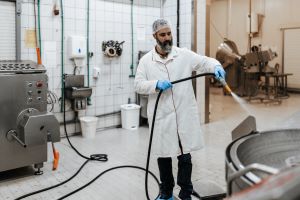
However, while visible surfaces often receive the most attention, some of the most significant contamination risks can originate from areas that remain largely unseen. Air handling systems, water distribution networks, and neglected fire safety infrastructure can all contribute to hygiene failures that compromise food safety, regulatory compliance, and business reputation.
To maintain the highest standards, food manufacturers must adopt a comprehensive approach to hygiene that addresses air, water, and fire-related risks throughout the facility.
Why Hidden Hygiene Risks Matter
Food production environments are highly controlled spaces, but contaminants do not always enter through obvious routes. Airborne particles, waterborne bacteria, and accumulated debris within building systems can all create conditions that threaten both food products and production continuity.
Contamination incidents can result in:
- Product recalls
- Production downtime (resulting in financial losses through wasted stock and operational disruption).
- Regulatory enforcement action
- Damage to brand reputation
- Risk to employee health and safety
By understanding and managing hidden hygiene risks, facilities can strengthen their overall food safety strategy and help ensure compliance with industry standards such as HACCP, BRCGS, and Food Standards Agency requirements.
Swiftclean tip: Look beyond clean surfaces
Hidden hygiene risks can develop in ventilation ductwork, water systems, kitchen extract systems and fire dampers. Include these systems in your planned maintenance programme rather than focusing only on visible production areas.
Unsure About Hidden Hygiene Risks in Your Facility?
Speak to Swiftclean about ventilation hygiene, Legionella control, kitchen extract cleaning and fire damper testing.
Call 0800 243 471 Check Your ComplianceAir Hygiene: The Invisible Contamination Pathway
Air plays a critical role in food manufacturing. Ventilation systems are designed to regulate temperature, humidity, and airborne contaminants, but when they’re poorly maintained they can become a source of contamination themselves.
Dust and Debris Accumulation
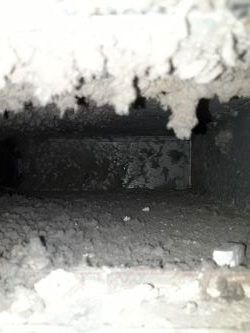
Over time, ductwork can accumulate dust, food particles, grease, and other contaminants. Air movement can then distribute these particles throughout production areas, potentially introducing unwanted contaminants into the environment.
In facilities that handle dry ingredients such as flour, sugar, spices, or powdered products, airborne particulates can become particularly problematic if extraction and ventilation systems are not properly maintained.
Microbial Growth
Moisture within ventilation systems can encourage the growth of mould, fungi and bacteria. Once established, these microorganisms may release spores and particles into the airflow, creating hygiene concerns throughout the facility.
The Importance of BESA TR19® Air
To help maintain clean and hygienic ventilation systems, many organisations follow BESA TR19® Air, the recognised industry specification for assessing the cleanliness of ventilation ductwork. The guidance provides measurable cleanliness standards for supply, extract and recirculation systems, helping facilities demonstrate that their ventilation infrastructure is not contributing to contamination risks.
Regular inspection and cleaning in accordance with TR19® Air can help food manufacturers improve indoor air quality and maintain compliance with food safety audits.
Reduced Air Quality
Dirty ventilation systems can reduce overall indoor air quality, impacting employee wellbeing and potentially affecting product quality within sensitive production environments.
Best Practice
Regular ventilation inspections, ductwork cleaning, and compliance with BESA TR19® Air help ensure that air handling systems continue to operate hygienically and efficiently. A planned maintenance programme can remove contaminant build-up before it becomes a food safety risk.
Water Hygiene: Protecting Against Waterborne Risks
Water is integral to many food production processes, whether used as an ingredient, for cleaning, or within building services infrastructure. Any deterioration in water quality can have serious implications for both food safety and regulatory compliance.
Legionella and Bacterial Growth
Poorly managed water systems can provide ideal conditions for bacteria to multiply. Stagnant water, inadequate temperature control, and infrequently used outlets can all contribute to microbial growth.
While Legionella is primarily a risk to human health through inhalation of water droplets, its presence is often indicative of wider shortcomings in water hygiene management.
Understanding ACoP L8 Compliance
Food manufacturers have legal responsibilities to manage Legionella risks under the Health and Safety Executive’s Approved Code of Practice (ACoP) L8: Legionnaires’ Disease – The Control of Legionella Bacteria in Water Systems.
ACoP L8 requires duty holders to assess risks, implement suitable control measures, maintain written records, and ensure water systems are appropriately monitored and maintained. For food production facilities, compliance not only protects employees and visitors but also demonstrates a commitment to maintaining robust environmental hygiene standards across the site.
Biofilm Formation
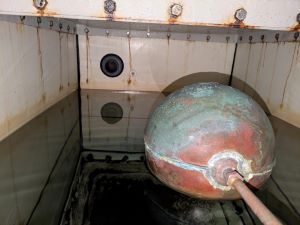
Water systems can develop biofilms, microscopic layers of microorganisms that adhere to internal pipe surfaces. Biofilms can protect harmful bacteria and make them more difficult to eliminate through routine cleaning alone.
Scale and Sediment Build-Up
The accumulation of scale, corrosion and sediment within tanks and pipework can create environments where bacteria thrive while also reducing system efficiency.
Best Practice
Regular Legionella risk assessments, water testing, tank inspections, temperature monitoring, and management in accordance with ACoP L8 can help food production facilities maintain safe and hygienic water systems.
Fire Safety Systems: An Overlooked Hygiene Concern
Fire safety and hygiene are often viewed as separate disciplines, but in reality they can be closely linked.
Dirty Extract Systems
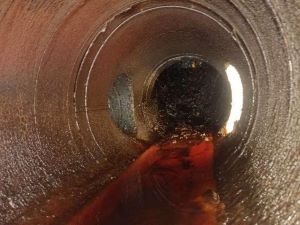
Commercial kitchens and food processing environments frequently generate grease-laden vapours. Without regular cleaning, extraction systems can accumulate significant grease deposits.
These build-ups not only present a major fire hazard but can also harbour bacteria, attract pests, and contribute to poor air quality within the facility.
BESA TR19® Grease and Kitchen Extract Hygiene
Where food production includes cooking processes, extract ductwork should be cleaned in accordance with BESA TR19® Grease, the recognised industry specification for internal cleanliness of kitchen extract systems.
TR19® Grease establishes grease thickness measurements and cleaning frequencies based on usage levels, providing facilities with an auditable approach to reducing fire risks and improving hygiene standards. Regular compliance helps prevent grease accumulation that can fuel fires and compromise the cleanliness of food preparation environments.
Need help managing hidden hygiene risks in your food production facility?
Call 0800 243 471 Check Your ComplianceDust Accumulation and Fire Risk
In production facilities handling powders, grains, sugar, or other combustible materials, dust accumulation can pose both hygiene and fire safety concerns. Dust deposits may contaminate product areas while also increasing the risk of fire or explosion.
Fire Dampers and BS 9999
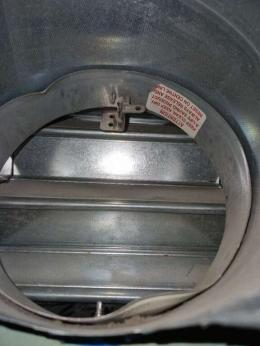
Fire dampers are designed to slow the spread of fire and smoke through ventilation systems. However, if inspection and maintenance are neglected, debris accumulation and mechanical failure can compromise both fire safety performance and airflow quality.
BS 9999, the code of practice for fire safety in the design, management and use of buildings, recommends that fire dampers are routinely inspected and tested. The standard is widely recognised for requiring fire dampers to be tested at least annually, helping ensure they will operate correctly in the event of a fire.
For food manufacturing facilities, effective fire damper maintenance not only supports life safety and regulatory compliance but also ensures ventilation systems continue to operate efficiently and hygienically.
For more detailed guidance, read our related article on our sister site, BS 9999 Fire Damper Testing and Compliance.
Best Practice
Routine inspection and maintenance of extraction systems, fire dampers, and associated safety equipment in accordance with BESA TR19® Grease and BS 9999 helps support both regulatory compliance and environmental hygiene.
Taking a Holistic Approach to Facility Hygiene
Effective hygiene management extends far beyond cleaning production surfaces. A truly robust food safety strategy considers every system that could influence environmental conditions within the facility.
By integrating:
- Ventilation hygiene inspections and cleaning in accordance with BESA TR19® Air
- Kitchen extract cleaning to BESA TR19® Grease specification
- Water hygiene management aligned with ACoP L8
- Fire damper inspections and testing in accordance with BS 9999
Along with planned preventive maintenance programmes, including regular auditing and compliance checks, food producers can significantly reduce hidden risks and create a safer, more resilient operating environment.
Conclusion
In food production facilities, some of the greatest hygiene threats are often hidden from view. Contamination risks can develop within ductwork, water systems, and fire safety infrastructure long before issues become visible on the production floor.
By taking a proactive approach to air hygiene, water hygiene, and fire safety maintenance, manufacturers can strengthen compliance, improve operational efficiency, protect their workforce, and safeguard the quality of the products they produce.
When it comes to food safety, what happens behind the scenes can be just as important as what happens on the production line.
Need Support With Hidden Hygiene Risks?
Speak to Swiftclean about ventilation hygiene, kitchen extract cleaning, Legionella control and fire damper testing for your food production facility.
Contact Swiftclean Call 0800 243 471