
The Hidden Impact of Building Changes on Legionella Risk
When people think about Legionella risk, they often focus on the condition of their water systems. However, some of the biggest changes to Legionella risk can arise not from the water system itself, but from changes to the building and how it is used.
A refurbishment project, changes in occupancy levels, the introduction of water-saving measures, or even a shift to hybrid working can all affect water usage patterns and create conditions that encourage the growth of Legionella bacteria.
For duty holders, facilities managers and property owners, understanding the connection between building changes and water hygiene is essential for maintaining compliance and protecting building occupants.
Quick answer: A building change should prompt a Legionella review when it affects the water system, how the system is used, occupancy, water demand, temperature control or the people exposed to the system.
Why Do Building Changes Matter?
Legionella bacteria can multiply in water systems when conditions are favourable, particularly where water temperatures support bacterial growth and water is allowed to stagnate.
Many buildings are continually evolving. Offices are reconfigured, schools expand, healthcare facilities are upgraded, and workplaces adapt to changing employee behaviours. While these projects often improve building performance, they can unintentionally introduce new risks into water systems.
A water system that was considered low risk several years ago may no longer reflect the reality of how the building is currently used.
The Impact of Hybrid and Flexible Working
One of the most significant changes in recent years has been the rise of hybrid working.
Many commercial buildings now experience fluctuating occupancy levels throughout the week. Some floors, departments or meeting areas may see only limited use, resulting in reduced water demand at certain outlets.
When taps, showers or other water outlets are used infrequently, water can remain stagnant within pipework for extended periods. This stagnation can contribute to conditions that increase Legionella risk if not properly managed.
Regular monitoring and reviewing water usage patterns can help identify areas where additional flushing regimes or control measures may be required.
Swiftclean tip: Review occupancy patterns
Compare your current occupancy patterns with your flushing and monitoring arrangements. A control programme designed for a fully occupied building may not be suitable if large areas are now used only occasionally.
Can Refurbishments and Alterations Increase Legionella Risk?
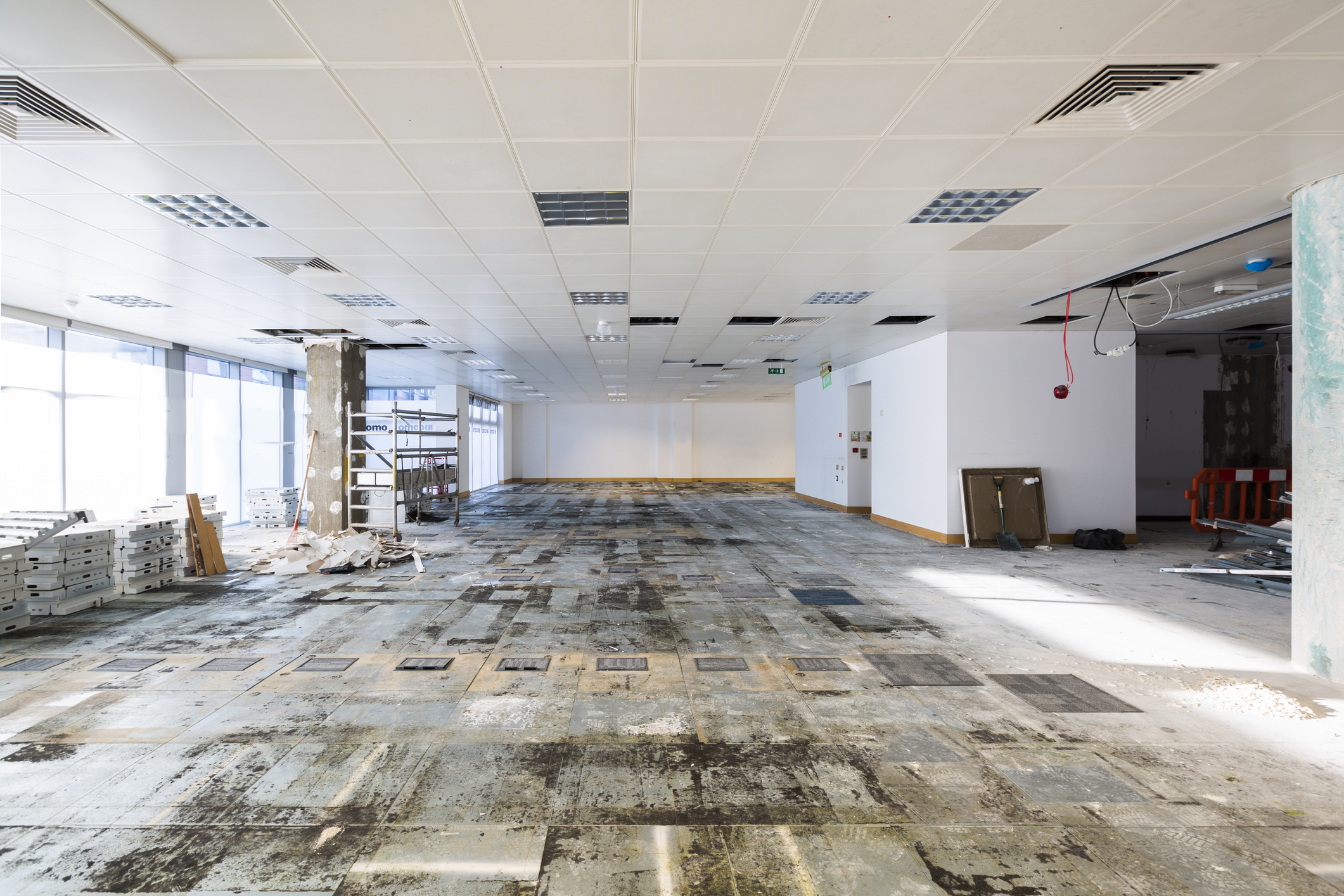
Refurbishment projects can have a substantial impact on water hygiene, particularly when pipework is altered or facilities are added, removed or relocated.

Common examples include:
- Office fit-outs
- Washroom refurbishments
- Building extensions
- Installation of new kitchens or welfare facilities
- Changes to healthcare or educational facilities
- Removal or relocation of showers, sinks and other outlets.