From Dust to Compliance: How Ventilation Cleaning Supports Better Air Quality
Indoor air quality is often overlooked until problems arise, yet it plays a crucial role in the health, comfort and productivity of building occupants. Poor air quality can contribute to a range of issues, from headaches and fatigue to respiratory conditions and increased sickness absence. For businesses, maintaining good indoor air quality is not only important for employee wellbeing but can also help meet health and safety responsibilities.
One of the most effective ways to improve indoor air quality is through the proper maintenance and cleaning of ventilation systems. In this blog, we explore why indoor air quality matters and how regular ventilation cleaning helps create healthier, safer indoor environments.
Why Is Indoor Air Quality Important?
Indoor air quality (IAQ) refers to the quality of the air inside buildings and how it affects the people who use those spaces. Many people spend around 90% of their time indoors, whether at work, home, school or leisure facilities. As a result, the quality of indoor air can have a significant impact on overall health and wellbeing.

Poor indoor air quality can be caused by a variety of contaminants, including:
- Dust and dirt particles
- Pollen and outdoor pollutants
- Mould spores
- Bacteria and viruses
- Volatile Organic Compounds (VOCs) from cleaning products, paints and furnishings
- Smoke and cooking fumes
When these contaminants build up, building occupants may experience symptoms such as coughing and sneezing; eye, nose and throat irritation; headaches and dizziness; or fatigue and reduced concentration.
For employers, poor air quality can contribute to reduced productivity, increased absenteeism and lower employee satisfaction.
When Was Your Air Last Checked?
Unsure whether your ventilation system needs inspection or cleaning? Complete our free compliance checker or speak to the Swiftclean team.
Check Your Compliance Call 0800 243 471The Role of Ventilation Systems
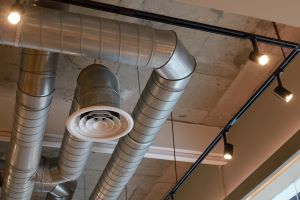
Ventilation systems are designed to remove stale indoor air and replace it with fresh, filtered air. They help control temperature, remove excess moisture and dilute airborne contaminants.
However, ventilation systems can only perform effectively if they are properly maintained.
Over time, dust, dirt, grease and other contaminants accumulate within ductwork, air handling units, grilles and filters. Without regular cleaning, these systems can become a source of pollution rather than a solution.
Contaminated ventilation systems may:
- Recirculate dust and airborne particles throughout a building
- Restrict airflow and reduce ventilation efficiency
- Create conditions that encourage microbial growth
- Increase energy consumption due to reduced system performance
- Impact occupant comfort and wellbeing
Regular cleaning helps ensure that ventilation systems continue to support good indoor air quality rather than contribute to air quality problems.
How Ventilation Cleaning Improves Indoor Air Quality
Ventilation cleaning can support better indoor air quality by removing accumulated deposits, reducing potential sources of airborne contamination and helping ventilation systems operate as intended.
Removes Accumulated Contaminants
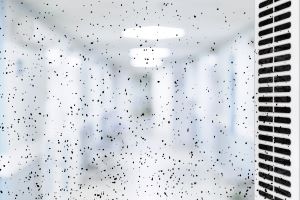
Ventilation cleaning removes the build-up of dust, debris and other pollutants that collect within ductwork and air handling systems.
By eliminating these contaminants, cleaner air can circulate throughout the building, helping to reduce airborne particle levels and improve overall air quality.
Reduces Allergens
Allergens such as pollen, dust mites and mould spores can become trapped within ventilation systems.
When the system operates, these allergens may be distributed throughout the building. Regular cleaning helps reduce allergen levels, creating a more comfortable environment for occupants, particularly those who suffer from allergies or respiratory conditions.
Supports Healthy Airflow
Blocked or contaminated ductwork can restrict airflow and reduce the effectiveness of a building’s ventilation strategy.
Ventilation cleaning helps restore designed airflow rates, ensuring fresh air reaches occupied spaces while stale air is effectively removed.
Helps Prevent Mould Growth
Moisture can sometimes accumulate within ventilation systems, particularly in areas with poor maintenance or inadequate drainage.
Where moisture and organic matter are present, mould growth may occur. Cleaning and inspection can identify potential issues before they develop into more significant air quality concerns.
Improves Energy Efficiency
Contaminated systems often have to work harder to move air throughout a building. This can increase energy consumption and operational costs.
By maintaining clean ductwork and system components, ventilation systems can operate more efficiently, supporting both indoor air quality and sustainability objectives.
Sectors Where Air Quality Matters Most
While indoor air quality is important in all buildings, certain environments face heightened risks and responsibilities.
These include:
Healthcare Facilities
Hospitals, clinics and care homes must maintain high standards of air hygiene to protect vulnerable occupants and help reduce the spread of airborne contaminants.
Commercial Offices
Good air quality supports employee wellbeing, concentration and productivity while helping organisations create healthier workplaces.
Educational Settings
Schools, colleges and universities rely on effective ventilation to provide comfortable learning environments and support student wellbeing.
Hospitality and Leisure Venues
Hotels, restaurants, gyms and entertainment venues must maintain comfortable indoor environments to support customer satisfaction and protect their reputation.
Industrial Facilities
Manufacturing and processing facilities often generate dust, fumes or airborne particles that require effective ventilation and regular system maintenance.
How Often Should Ventilation Systems Be Cleaned?
The frequency of ventilation cleaning depends on several factors, including building type; occupancy levels; system usage; environmental conditions and industry-specific requirements.
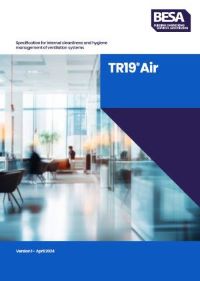
Regular inspections can help determine when cleaning is required and identify any developing issues before they impact air quality or system performance. BESA TR19 Air gives you the information you need to know about how often you should test your mechanical ventilation system.
For many organisations, incorporating ventilation cleaning into a planned maintenance programme is the most effective way to maintain compliance, protect occupants and optimise system efficiency.
Important: Cleaning is not a substitute for monitoring
Ventilation cleaning should form part of a wider maintenance programme. Air quality can also be affected by ventilation rates, filtration, humidity, building use, outdoor pollution and contaminants generated inside the building.
Learn About Ventilation MonitoringLegal Compliance and Duty of Care
Maintaining good indoor air quality is not only beneficial for occupant health and building performance, but it is also an important aspect of regulatory compliance and employer responsibility.
Under the Health and Safety at Work etc. Act 1974, employers have a duty to protect the health, safety and welfare of employees and others who may be affected by their activities. Providing a safe working environment includes ensuring that the air people breathe is not adversely affected by poor ventilation or contaminant build-up.
The Workplace (Health, Safety and Welfare) Regulations 1992 further require that enclosed workplaces are ventilated by a sufficient quantity of fresh or purified air. This means building operators must ensure ventilation systems are capable of delivering adequate airflow and are maintained in an effective working condition.
The Health and Safety Executive (HSE) also recognises ventilation as an important control measure for managing airborne contaminants in the workplace. Failure to maintain ventilation systems can lead to reduced effectiveness, potentially exposing occupants to dust, fumes, biological contaminants and other pollutants.
Regular ventilation cleaning plays a key role in supporting compliance by:
- Helping ventilation systems operate as intended
- Maintaining adequate airflow throughout occupied spaces
- Reducing the accumulation and recirculation of contaminants
- Supporting healthier working environments
- Providing evidence of proactive maintenance and risk management
For sectors such as healthcare, education, food production and commercial property management, demonstrating that ventilation systems are regularly inspected and cleaned can form an important part of wider health, safety and facilities management strategies.
By incorporating ventilation hygiene into a planned maintenance programme, organisations can not only improve indoor air quality but also demonstrate a commitment to meeting their legal obligations and protecting the wellbeing of building occupants.
Swiftclean tip: Keep evidence of completed work
Keep inspection findings, photographs, cleanliness measurements, cleaning reports and remedial recommendations together. Clear records help show when your ventilation system was checked and what action was taken.
The Business Benefits of Improved Indoor Air Quality
Investing in ventilation cleaning delivers benefits beyond health and compliance.
Businesses may experience improved employee wellbeing and reduced sickness absence, as well as improved system efficiency and lower energy costs.
A clean and well-maintained ventilation system demonstrates a proactive commitment to creating safe, healthy environments for building users.
Conclusion
Indoor air quality has a direct impact on the health, comfort and performance of building occupants. While many factors influence air quality, ventilation systems play a vital role in removing contaminants and delivering fresh air throughout a building.
Without regular maintenance, ventilation systems can become contaminated and less effective, potentially contributing to poor indoor air quality and reduced system performance.
Regular ventilation cleaning helps remove dust, allergens and other pollutants, supports healthy airflow and improves energy efficiency. By investing in routine ventilation maintenance, organisations can create healthier indoor environments, protect occupants and help ensure their buildings continue to operate safely and effectively.
Looking to improve indoor air quality within your building? Swiftclean’s specialist ventilation hygiene services can help ensure your systems operate efficiently, support occupant wellbeing and comply with relevant industry standards.
Ready to Improve Your Ventilation Hygiene?
Swiftclean can help inspect, clean and maintain your ventilation systems, with clear reporting to support your facilities and compliance records.
Book a Ventilation Inspection Call 0800 243 471Ventilation Cleaning and Indoor Air Quality FAQs
Can ventilation cleaning improve indoor air quality?
Ventilation cleaning can help remove accumulated dust and deposits and support effective airflow. However, indoor air quality also depends on filtration, ventilation rates, humidity, occupancy, outdoor air and internal sources of pollution.
Does ventilation cleaning remove mould?
Cleaning may remove contamination from accessible components, but mould or microbial growth may be caused by an underlying moisture or drainage problem. The source should be investigated and addressed as part of the remedial plan.
What is included in a ventilation hygiene inspection?
The scope depends on the system and building, but may include reviewing system details, inspecting accessible components, measuring deposits where appropriate, checking access, taking photographs and recommending cleaning or remedial work.
Is TR19 Air a legal requirement?
No. TR19 Air is an industry specification and good-practice framework produced by BESA. It can help organisations assess and manage ventilation hygiene, but legal duties relating to workplace ventilation arise from applicable legislation and the circumstances of the premises.
Does my ventilation system need an inspection after refurbishment?
It may. Refurbishment can alter ductwork, access, occupancy, airflow and system use. A post-refurbishment inspection can help confirm that the system remains accessible, clean and suitable for the building’s current layout.
Can Swiftclean provide a compliance report?
Swiftclean can provide service documentation and reporting for completed inspection and cleaning work. The exact report contents depend on the service, system and agreed scope.