Is Your Laundry Facility Ready for Winter? The Hidden Problem That Could Be Slowing You Down
Is Your Laundry Facility Ready for Winter? Check Beyond the Lint Filter
As temperatures drop and winter approaches, laundry facilities across the UK are preparing for another busy season. But could something hidden in your ventilation system be making the job harder, slower and more expensive?
From hospitals and care homes to hotels and commercial laundries, keeping up with laundry demands is essential all year round. However, colder weather, heavier bedding, additional towels and increased demand can place extra pressure on already busy facilities.
And while attention is often focused on the tumble dryers themselves, there’s another important factor that can easily be overlooked: the laundry extract ventilation system, the ducting beyond the machine.
Could Your Laundry Be Working Harder Than It Needs To?
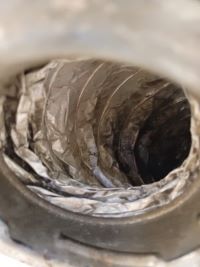
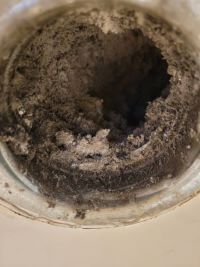
Commercial tumble dryers rely on effective airflow to remove warm, moisture-laden air. During every drying cycle, tiny fibres, lint and dust particles are drawn into the extraction system.
Over time, these deposits can build up within the ductwork (particularly on flexible ducting which is usually associated with laundry extract systems), restricting airflow and reducing the system’s effectiveness.
The result? Longer drying times, additional energy consumption and unnecessary strain on equipment.
With energy expenditure already a significant consideration for facilities managers, inefficient laundry extraction could mean businesses are spending more than necessary to process the same amount of laundry.
And during winter, when heavier items may take longer to dry and operational demands can increase, these inefficiencies can become even more noticeable.
What’s Hiding Beyond the Lint Filter?
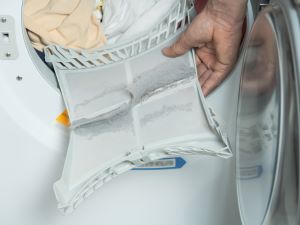
Most laundry operators understand the importance of regularly cleaning tumble dryer lint filters. But when was the last time the extraction ductwork itself was inspected?
While filters capture much of the lint produced during drying, some particles can pass through and accumulate further along the ventilation system, particularly around bends and other areas where deposits can collect.
Because this ductwork is often concealed above ceilings or behind walls, significant build-up can go unnoticed.
Restricted airflow can also contribute to heat build-up and increased fire risk, making regular inspection and cleaning an important part of effective building maintenance.
Unsure about your laundry extract compliance? Use our quick checker to review your arrangements and see where further advice may be needed.
Check Your ComplianceWhy TR19 Air Matters This Winter
The Building Engineering Services Association (BESA) publishes TR19 Air, the recognised industry specification for ventilation system cleanliness and hygiene management.
Laundry extract ductwork falls within the scope of TR19 Air, which provides guidance on inspection, cleaning and verification to help maintain safe and effective ventilation systems.
The specification was updated in March 2026, reinforcing the importance of effective hygiene management and post-clean reporting.
For facilities managers, following TR19 Air helps establish a structured approach to ventilation maintenance, rather than waiting for reduced performance or a breakdown to highlight a problem.
Don’t Let Your Laundry Become a Winter Bottleneck
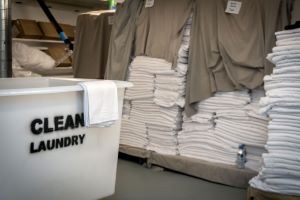
When laundry operations slow down, the consequences can extend beyond the laundry room. Delayed bedding, towels and uniforms can affect staff workloads, operational schedules and the smooth running of essential services.
At Swiftclean, our specialist teams provide professional laundry extract ventilation cleaning in accordance with TR19 Air, helping businesses manage lint accumulation, maintain effective airflow and reduce avoidable risks.
With nationwide coverage, flexible scheduling and detailed post-clean reporting, we can help you prepare your laundry facilities for the demands of winter while minimising disruption to your operations.
This winter, don’t just check your tumble dryers, check what’s happening beyond the filter.
Contact Swiftclean to discuss your laundry extract cleaning requirements and make sure your ventilation maintenance is ready for the colder months.
Don’t Let Hidden Lint Become a Winter Bottleneck
When was your laundry extract ductwork last inspected? Speak to Swiftclean about inspection, cleaning and a maintenance programme suited to your facility.
Laundry Extract FAQs
Does cleaning the lint filter replace extract ductwork cleaning?
No. Cleaning the filter addresses material collected at the machine, while extract cleaning removes deposits further along the ductwork. Both should form part of an appropriate maintenance programme.
Can blocked laundry extract ductwork increase drying times?
Yes. Restricted airflow can slow drying and increase the cost of processing each load. However, changes in drying performance should be investigated rather than automatically attributed to ductwork contamination.
How often should commercial laundry extract systems be cleaned?
Cleaning frequency should reflect workload, frequency of use and inspection findings. There is no universal interval suitable for every laundry, so the programme should be reviewed against actual operating conditions.
What should a laundry extract cleaning report include?
A useful report should identify the work completed, include before-and-after photographs and record any access limitations or further maintenance recommendations. The March 2026 edition of TR19® Air includes a dedicated post-clean reporting section.