

Why Kitchen Extract Cleaning Matters in Rural Hospitality
A Technical Look at Fire Safety, Compliance, and Risk Reduction
As UK agriculture diversifies, more farms are adding cafés, restaurants, event kitchens and farm‑shop eateries to their operations. While these spaces boost revenue and visitor engagement, they also introduce new regulatory duties – particularly around commercial kitchen ventilation and extract hygiene.
One of the most overlooked obligations is kitchen extract cleaning to the BESA TR19 Grease specification, the benchmark for fire‑risk mitigation within kitchen ventilation systems.
Why TR19 Grease Compliance Matters
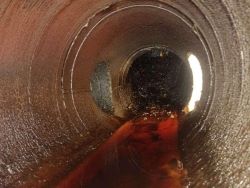
TR19 Grease is the industry-standard specification for cleaning commercial kitchen extraction systems, primarily aimed at reducing the high risk of fire caused by fat and grease buildup.
A commercial kitchen extract system accumulates fats, oils and grease (FOG) aerosols, combustible carbonised residues and airborne particulates from cooking processes
As these travel through ducting, they form layers of flammable deposits that can ignite if a cooking flare‑up or appliance malfunction sends a flame into the canopy. Fires spread rapidly through ducts, which act like chimneys.
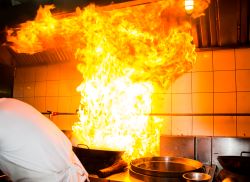
Insurance providers understand this risk well. That is why many policies now explicitly require:
✔ Documented TR19 Grease compliance
✔ Measured grease‑depth readings
✔ Evidence of routine inspection and cleaning
Failure to demonstrate compliance following a fire may result in; refusal of claim payment, invalidated policies or even potential liability for property damage and business interruption.
Even a small rural café operating two or three days a week is viewed the same as a high‑street kitchen from a risk perspective.
The Unique Technical Challenges of Rural Hospitality Sites
Rural and agricultural buildings introduce specific engineering and environmental challenges that make proper extract maintenance more complex:
1. Non‑standard or retrofitted ducting
Farm buildings are often conversions and could have long duct runs to exterior walls, inaccessible ceiling voids or structural beams, or uninsulated or unlined ductwork.
These conditions make professional access essential for safe cleaning.
2. Low‑use kitchens still accumulate dangerous deposits
FOG deposition rates depend on cooking type, not just hours of operation. Even seasonal cafés using grills, fryers, or ovens can exceed TR19 Grease thresholds (≥200 microns) faster than expected.
3. Agricultural dust increases fire load
A uniquely rural risk is when combustible dust from grain, hay, livestock bedd