Why Ventilation Cleaning Matters in Manufacturing Facilities
Factory Ventilation Cleaning: How Often Should It Be Done?
Well-maintained ventilation systems are crucial for manufacturing facilities, and our guide will explain why that is the case, how often you should be cleaning your ventilation systems and anything else you should know regarding maintenance.
Quick answer: Mechanical ventilation should be inspected and cleaned based on the BESA TR19 Air cleanliness classes. A system classified as medium should be cleaned every 2 years.
Why is Ventilation Important in Manufacturing?
A manufacturing facility is prone to processes that generate specific airborne contaminants. The use of heavy-duty equipment and machinery can throw dust into the air, as well as other small particles, exhaust fumes and so on. Ventilation is therefore a necessity to extract these airborne contaminants and remove them from the air, improving air quality and making the facility less of a health and safety risk.
How Often Should Factory Ventilation Be Cleaned?
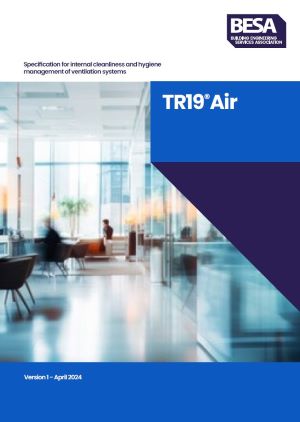
When it comes to factory ventilation cleaning frequency, you should follow the BESA specification TR19 Air which states that ventilation with a medium classification should be cleaned every 2 years. There are different requirements for low and high classification levels which can be found in the specification. However, if it is a Local Exhaust Ventilation System, it should be tested every 14 months.
Certain types of factories may also need more regular cleaning than others. For example, manufacturing processes that produce lots of fumes (if they have an LEV system) or generate high levels of dust and particles in the air will need more frequent cleaning than others, as the ventilation systems can become clogged quicker. It is always best to seek advice from your ductwork cleaning specialist and talk through the different cleanliness classes in BESA TR19 Air.
If there is visible dust on work surfaces; reduced airflow from the ventilation system; strange or loud noises coming from the system; changes in system performance; or unusual odours coming from the ventilation system, then this could indicate that there may be a problem somewhere along the line. It could be as simple as there being too much debris in the system. A deep clean can remove blockages and help leave your ventilation working as it should.
Swiftclean tip: Do not judge a system by the vents alone. Dust around a vent may indicate a problem, but clean-looking grilles do not confirm that internal ductwork, fans or air-handling components are clean. An internal inspection is the most reliable way to assess system condition.
What are the benefits of industrial ventilation cleaning?
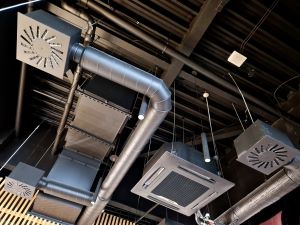
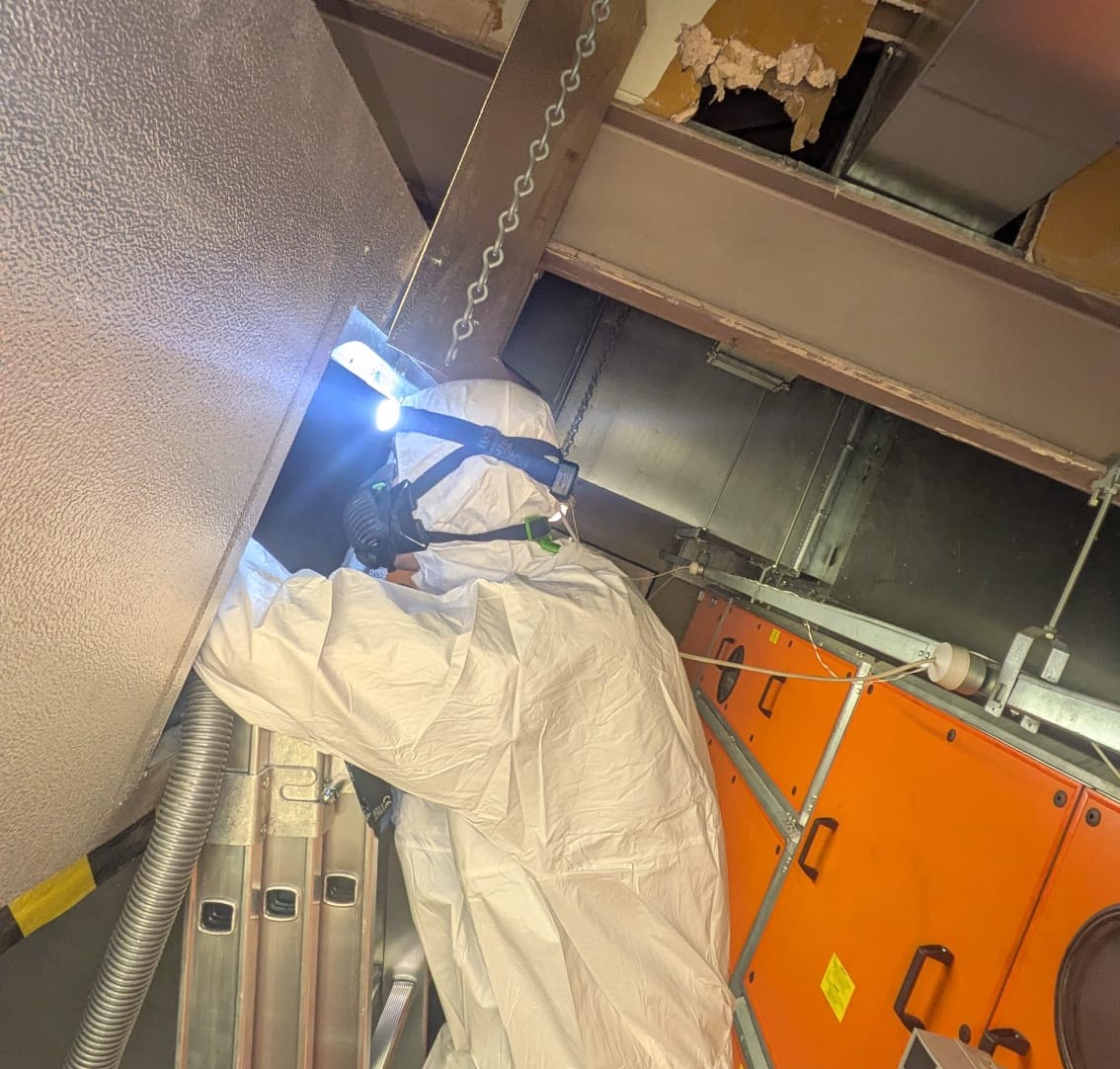
The main benefit of industrial ventilation cleaning is that it helps keep your systems in good working order and can reduce the risk of avoidable issues developing. At the same time, cleaning your system allows you to maintain good airflow throughout your facility, support better indoor air quality and reduce the build-up of dust and other deposits within ductwork.
Industrial ventilation cleaning is particularly beneficial because it is designed to reach ductwork and areas that normal cleaning techniques cannot. In factories and manufacturing facilities, debris can move through the ventilation system and congregate in hard-to-reach areas. This can contaminate the system and prevent it from working correctly, so commercial ventilation cleaning gets deep into these hidden areas and helps prevent blockages from occurring.
How do you maintain ventilation systems in manufacturing facilities?
Ventilation cleaning should be one part of a wider maintenance strategy for ventilation systems in manufacturing facilities. Regular inspections should be carried out in line with BESA TR19 Air to check whether the system is in good condition. These inspections can look for damage to ductwork, signs of internal corrosion, blockages, damaged filters and other issues that may affect performance.
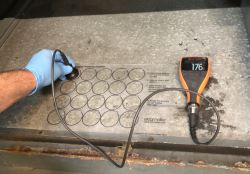
Inspections can also include specialist assessment methods such as Deposit Thickness Testing (DTT) and European Vacuum Tests (EVT). DTT measures the depth of dust and particulate deposits within ductwork, helping to establish whether contamination levels have reached a point where cleaning is required. EVT can be used to assess the cleanliness of internal duct surfaces following cleaning activities by measuring the amount of residual dust present. Together, these testing methods provide objective evidence of system condition, allowing maintenance decisions to be based on measured contamination levels rather than visual observations alone.
Filter cleaning and replacement is a big part of ventilation system maintenance. Inspect filters in line with the manufacturer’s specifications and replace them when necessary so they continue doing their job and allow the ventilation system to filter out harmful contaminants.
Unsure whether your factory ductwork needs cleaning? Call Swiftclean for advice or use our free compliance checker to review your arrangements.
What about LEV systems in manufacturing?
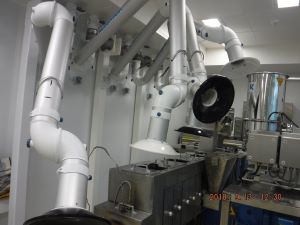
Many manufacturing facilities use local exhaust ventilation, or LEV, to capture airborne contaminants close to the point where they are produced. LEV may be used for processes such as welding, grinding, sanding, cutting, spraying, powder handling and machining.
LEV systems should be kept in efficient working order and in good repair. Under COSHH, LEV systems should be thoroughly examined and tested at least every 14 months by a competent person, although some processes require more frequent testing. Records of examinations and tests should be kept for at least five years.
LEV cleaning and testing are different. Cleaning removes deposits from the system, while a thorough examination and test assesses whether the system is still performing as intended. Cleaning may be recommended where inspection identifies deposits, blockages or reduced performance. After cleaning, the system should be checked to confirm that it is operating correctly.
Important: Keep records such as inspection reports, cleaning records, LEV test certificates, filter records and evidence of remedial work together. Clear records help demonstrate that ventilation systems are being actively maintained.
What Should a Factory Ventilation Maintenance Programme Include?
A planned programme should bring together cleaning, component maintenance and performance checks.
| Area | What to review |
|---|---|
| Ductwork condition | Inspection findings, internal deposits, damage and access limitations. |
| Cleanliness assessment | Whether visual inspection or measured testing indicates cleaning is needed. |
| Filters and components | Manufacturer’s maintenance instructions, condition and replacement requirements. |
| LEV performance | Routine checks, commissioning information and thorough examination and test dates. |
| Remedial work | Outstanding defects, responsible people and evidence of completion. |
| Documentation | Inspection reports, cleaning records, test reports and maintenance history. |
Ductwork cleanliness assessment and LEV performance testing answer different questions, so both should be included where relevant.
How Can Swiftclean Help?
Swiftclean provides specialist ventilation hygiene services for manufacturing and industrial facilities across the UK.
Our services can include ventilation ductwork inspection, Deposit Thickness Testing (DTT), European Vacuum Testing (EVT), commercial ventilation cleaning, air-handling unit cleaning, local exhaust ventilation cleaning and testing, filter and system checks, access-door reviews, photographic reporting and remedial recommendations.
Whether you need a one-off inspection or an ongoing ventilation hygiene program, Swiftclean can help you establish the condition of your systems and take appropriate action.
To discuss your requirements or request a quotation, contact the Swiftclean team today!
Plan Your Factory’s Ventilation Maintenance with Swiftclean
Need help with ductwork inspection, ventilation cleaning or LEV maintenance requirements? Speak to Swiftclean about your systems, inspection findings and next steps.
Factory Ventilation FAQs
Does every factory ventilation system need cleaning every two years?
No. A fixed two-year cleaning rule should not be applied to every system. Cleaning should reflect the relevant cleanliness requirements, system use and inspection findings. TR19® Air provides a framework for assessing ductwork condition and determining when cleaning is needed.
Does ventilation cleaning replace LEV testing?
No. Cleaning removes accumulated deposits, while a thorough examination and test checks whether LEV continues to perform as intended. Most LEV systems require this examination and test at intervals not exceeding 14 months.
Do DTT and EVT show whether LEV is protecting workers?
Not by themselves. DTT and EVT assess ductwork cleanliness. LEV performance assessment considers factors such as airflow, capture effectiveness and comparison with the intended design performance.
How long should LEV test reports be kept?
Keep thorough examination and test reports for at least five years. Information confirming the installed system’s protective performance should be retained for the life of the equipment.