Keeping Transport Hubs Compliant, Safe, and Fully Operational

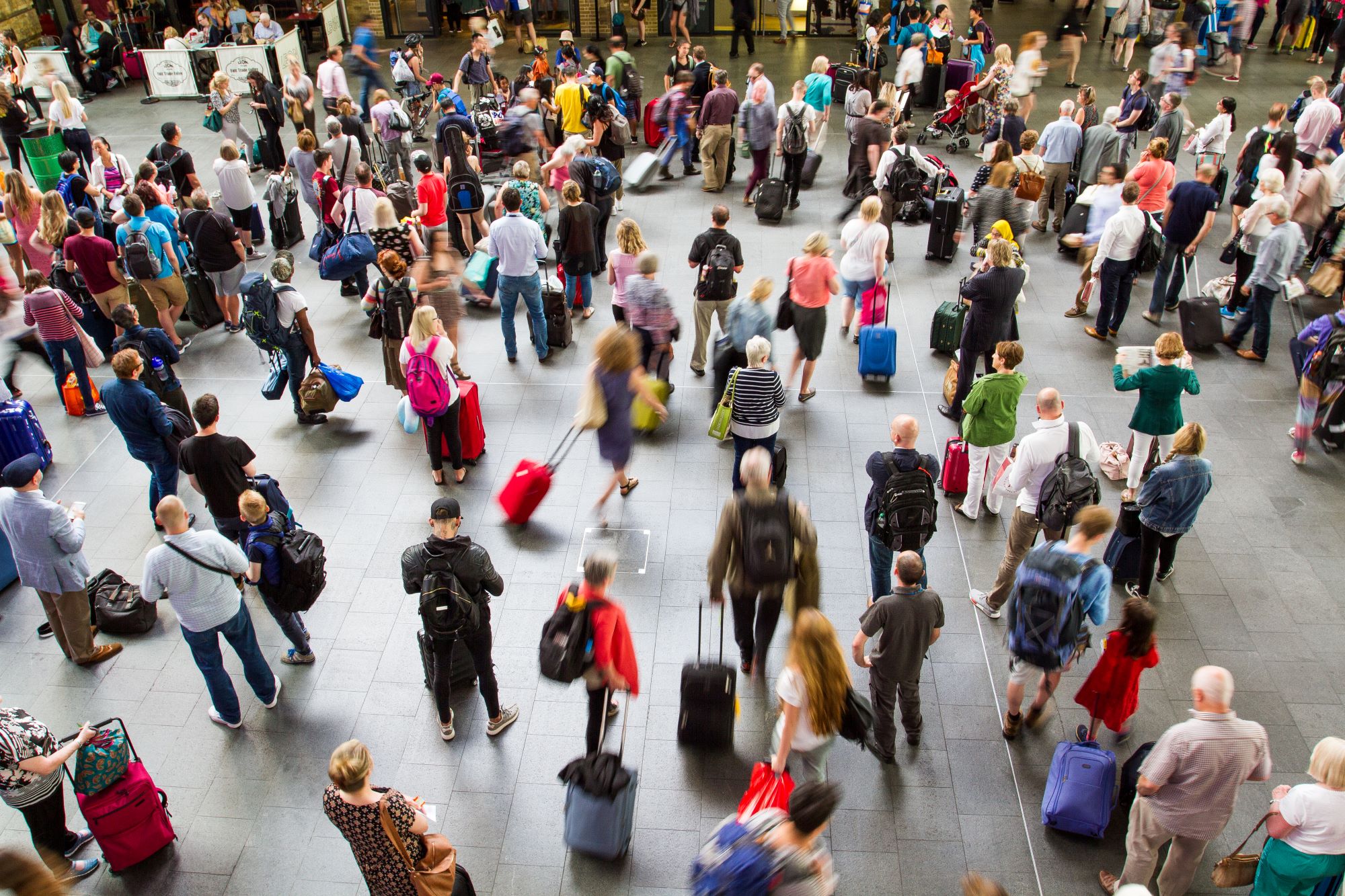
Transport hubs are among the most demanding environments to manage. With high footfall, complex infrastructure, and constant public scrutiny, maintaining safety and compliance is not just a legal obligation – it is fundamental to keeping operations moving smoothly.

Airports, rail stations, bus depots, ferry terminals, and motorway service stations all face a unique combination of risks. Fire safety, air quality, and water hygiene systems must perform reliably at all times, often while facilities remain live and under intense time pressures. Ensuring compliance across multiple systems can quickly become complex, particularly as industry standards and regulations continue to evolve.


The Compliance Challenge in High‑Footfall Environments

Transport hubs are required to meet a range of regulatory and best‑practice standards designed to protect passengers, staff, and assets. These include compliance with:

Failure to maintain these systems properly can lead to increased fire risk, poor indoor air quality, system inefficiencies, insurance issues, and regulatory non‑compliance. In settings where disruption can have widespread operational and reputational consequences, planned, professional compliance management is essential.


Specialist Support for Transport and Infrastructure Settings
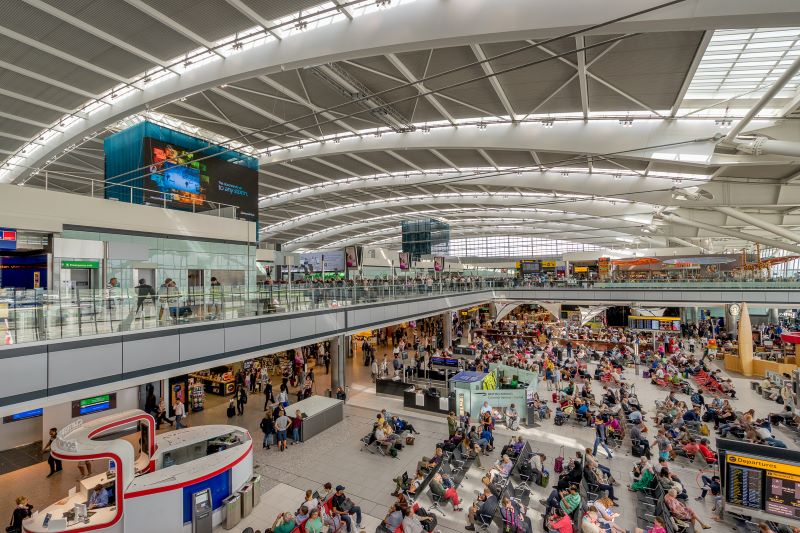
High-demand environments require specialist knowledge. Our compliance services are designed specifically for critical infrastructure sites, including airports, rail and bus stations, ferry terminals, and motorway service areas. With airside‑passed engineers based across the UK, we understand the additional security, coordination, and scheduling requirements these sites demand.

We work closely with facilities teams and estates managers to provide safe, efficient, and fully auditable compliance solutions, tailored to operational realities.


Core Compliance Services

TR19® Grease Compliance

Commercial kitchens within transport hubs operate at high volumes and extended hours, significantly increasing fire risk if extract systems are not maintained. Professional TR19® Grease cleaning reduces the build‑up of combustible deposits, supports insurance requirements, and helps protect people, property, and continuity of service.

Fire Damper Inspection and Testing – BS:9999

Fire dampers play a vital role in passive fire protection by preventing the spread of fire and smoke through ductwork. Regular inspection and testing ensure these systems operate correctly in the event of an emergency and remain compliant with current fire safety regulations.

TR19® Air Ventilation Hygiene

Ventilation systems in both public and back‑of‑house areas directly impact indoor air quality, comfort, and system efficiency. TR19® Air–compliant cleaning helps reduce airborne contaminants, supports occupant wellbeing, and ensures ventilation systems perform as designed.

ACOP L8 Water Hygiene Services

Effective water hygiene management is essential for controlling Legionella risk. Our ACOP L8 services support ongoing compliance through monitoring, cleaning, risk assessment, and planned maintenance – helping facilities teams demonstrate clear duty‑holder responsibility.


Minimising Disruption While Maintaining Safety

We recognise that transport hubs cannot simply stop operating. Tight schedules, night shutdown windows, security controls, and passenger safety all influence how and when work can be carried out. Our teams are experienced in working out of hours, during planned shutdowns, or alongside live operations to minimise disruption while maintaining strict safety and quality standards.

With extensive experience in critical infrastructure settings, we understand the importance of flexibility, clear communication, and meticulous planning.


Supporting Long‑Term Compliance

Maintaining compliance is not a one‑off exercise. It requires regular review, clear documentation, and a proactive approach to maintenance. Whether you are seeking a straightforward assessment of your current compliance position or planning a structured maintenance programme across multiple sites, expert support can significantly reduce risk and workload for internal teams.

By partnering with experienced specialists, transport operators can focus on delivering safe, efficient journeys – confident that compliance obligations are being managed effectively behind the scenes.


FAQs: Compliance in Transport Hubs

Why is compliance so important in transport hubs?

Transport hubs operate in high-footfall, high-risk environments where safety systems must perform reliably at all times. Compliance with fire, ventilation, and water hygiene standards helps protect passengers and staff, reduce operational risk, and ensure legal obligations are met.

What compliance standards apply to transport hubs?

Transport hubs must comply with several key standards, including TR19® Grease for kitchen extract systems, TR19® Air for ventilation hygiene, ACOP L8 for Legionella control, and BS 9999 for fire damper testing. Together, these ensure safe and efficient building operation.

How can transport hubs manage compliance without disrupting operations?

Experienced compliance providers can work around operational demands by scheduling works during off-peak hours, overnight, or within planned shutdown periods. This ensures essential maintenance is completed without impacting passenger flow or daily operations.


Stay Compliant and Keep Your Operations Moving

Maintaining compliance across fire safety, ventilation, and water hygiene systems is essential for keeping transport hubs safe, efficient, and operational. With multiple systems to manage and evolving regulations to meet, having the right support in place makes all the difference.

If you’re unsure about your current compliance position, get in touch with the Swiftclean team today or use our compliance checker to quickly assess your systems and identify any gaps. We’re here to help you stay safe, compliant, and fully operational.

Stuart Day

With over 30 years of industry experience, Stuart has built a career spanning engineering, supervision, operations management, and business development. Today, he brings his extensive expertise to his role as a sales consultant, combining technical insight with strategic leadership to deliver meaningful solutions and drive business growth.