Warehouse and Distribution Centre Compliance Guide
Is Your Compliance Keeping Pace with Operational Growth?
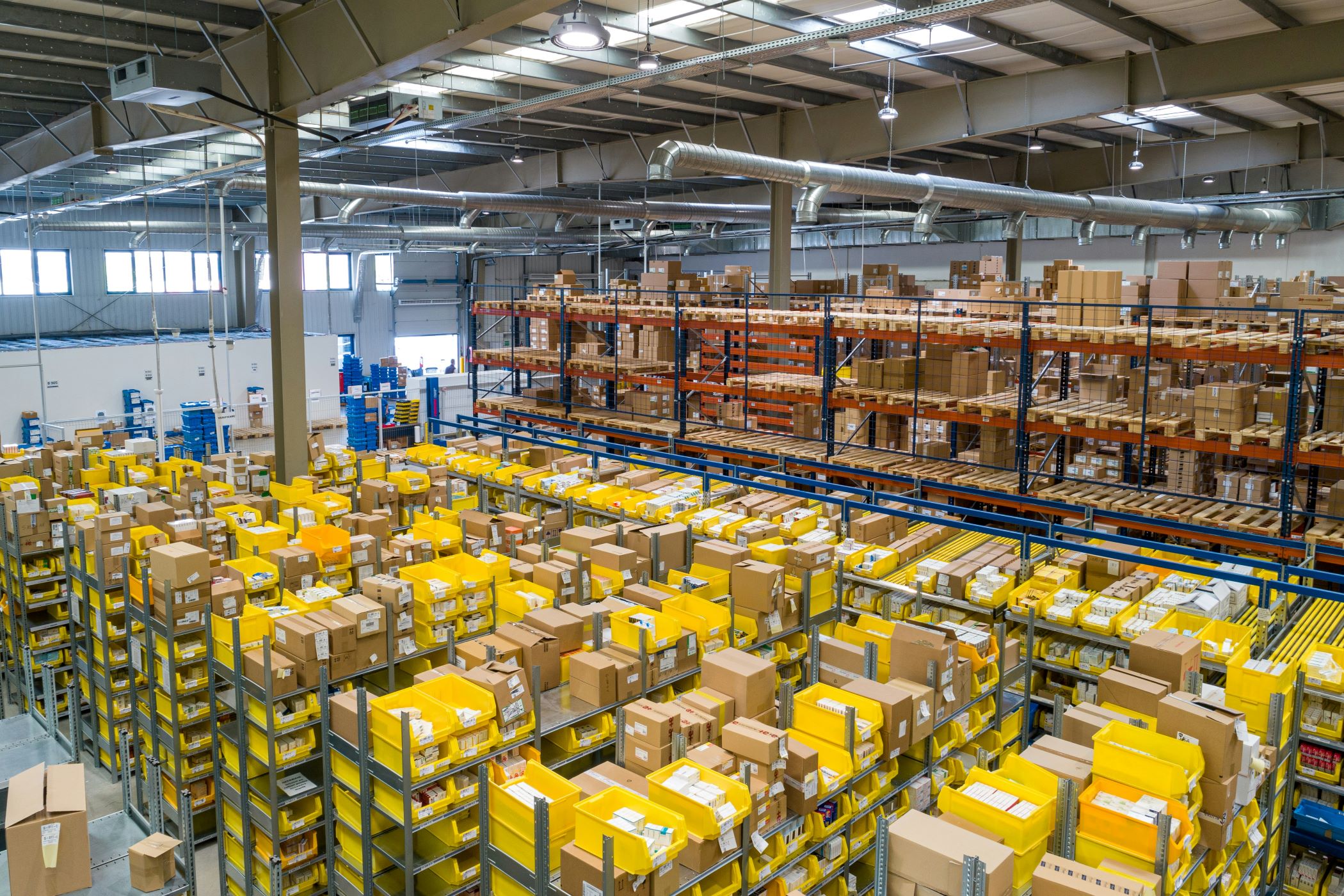
The UK’s warehouse and distribution sector has never been busier. Driven by continued growth in e-commerce, faster delivery expectations and increasing levels of automation, warehouses are operating longer hours than ever before.
Every day, millions upon billions of products pass through distribution centres that rely on complex ventilation, fire safety and water systems to keep people safe and operations running efficiently.
Yet while investment often focuses on technology and logistics, essential building compliance can easily fall to the wayside, and a compliance service partner is a great way of relieving that burden.
Fire damper function testing, ventilation hygiene and LEV maintenance are amongst the most critical services that help protect employees, maintain legal compliance and minimise costly disruption. Add effective Legionella control into the mix, and facilities managers can significantly reduce risk across their entire estate.
Warehouse Health and Safety
Why Compliance Is Under Pressure in the Warehousing Sector
The scale of modern distribution facilities creates compliance challenges that smaller commercial buildings simply do not face. A large distribution centre may have hundreds of fire dampers across a complex ventilation system, extensive ductwork running through multiple fire compartments, welfare facilities serving large numbers of shift workers, and LEV systems in workshop or maintenance areas operating around the clock.
At the same time, operational pressure is constant. Downtime is expensive, contractor access needs to be carefully managed around shift patterns, and facilities teams are often managing compliance across multiple sites simultaneously. In this environment, compliance programmes that are reactive, fragmented across multiple contractors, or poorly documented create significant risk.
A proactive, planned approach with a single specialist provider addresses all of these challenges while giving facilities managers a clear, auditable record across every compliance area.
Check Your Warehouse Compliance
Not sure whether your fire dampers, ventilation, LEV or water systems are up to date? Use our free compliance checker to find out.
Check Your ComplianceFire Safety Compliance
Fire Damper Function Testing: Protecting People and Business Continuity
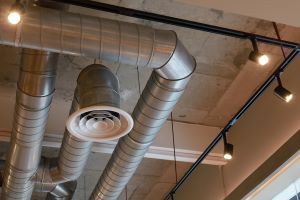
In a warehouse, ventilation systems can stretch hundreds of metres throughout a building. Without correctly functioning fire dampers, these ductwork systems can allow fire and smoke to spread rapidly between fire compartments.
Fire dampers are designed to close automatically during a fire, helping to contain smoke and flames and protecting escape routes. However, like any mechanical safety device, they require regular function testing and maintenance to ensure they will operate when needed.
BS 9999 recommends that fire dampers are tested by a competent person at least every 12 months, with more frequent inspections where systems operate in dusty environments – something that applies to many warehousing and distribution facilities.
Unfortunately, testing regularly identifies issues including fire dampers being obstructed by cables or pipework, failed or damaged fusible links and dust contamination preventing full closure, to name a few. Identifying these problems before an emergency can make the difference between containing a fire and allowing it to spread through the ventilation system.
At Swiftclean, our engineers don’t simply carry out fire damper function testing. We also provide detailed digital reports, identify defects and undertake remedial works to help restore compliance and ensure systems perform as intended.
Tip for warehouse facilities managers: If your site operates in a dusty environment, annual fire damper testing may not be sufficient. BS 9999:2017 recommends that testing frequency is increased where contamination levels are higher than normal. A professional assessment can help you determine the appropriate interval for your specific site.
Ventilation Compliance
TR19® Air Ventilation Cleaning: More Than Just Clean Ductwork

Warehouses generate significant amounts of airborne dust from packaging, pallet movement, forklifts, conveyor systems and general operations.
Over time this contamination accumulates inside ventilation systems, reducing airflow, impacting indoor air quality and increasing system inefficiency.
TR19® Air provides the recognised specification for inspection and cleaning of ventilation systems, helping organisations maintain clean, efficient and compliant ductwork. Regular inspection and cleaning supports:
- Improved indoor air quality
- Greater HVAC efficiency
- Reduced energy consumption
- Lower levels of airborne contamination
- Better working environments for employees
With employee wellbeing continuing to receive greater attention across the logistics industry, maintaining healthy indoor air is becoming an increasingly important operational priority. Industry guidance has also placed greater emphasis on inspection, verification and documented evidence of compliance alongside cleaning itself.
Protecting Your Workforce
LEV Testing and Cleaning: Supporting Warehouse Operations
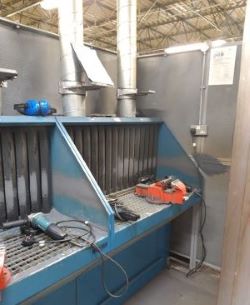
Many warehouses now include workshops, battery charging areas, maintenance bays, manufacturing processes or packaging operations that generate dust, fumes or airborne contaminants.
Where Local Exhaust Ventilation (LEV) systems are installed, they require thorough examination and testing to ensure they continue protecting employees.
Under the COSHH Regulations, LEV systems must generally be thoroughly examined and tested at least every 14 months, depending on the application. Regular LEV cleaning and maintenance also helps systems continue operating efficiently between statutory inspections.
Combining LEV services with wider ventilation maintenance enables facilities managers to simplify contractor management while ensuring multiple compliance requirements are addressed together.
COSHH and LEV compliance: Under the Control of Substances Hazardous to Health Regulations 2002, employers are legally required to ensure that LEV systems protecting employees from hazardous substances are maintained and examined at the statutory intervals. Failure to comply can result in enforcement action from the HSE and increased risk to employees.
Don’t Overlook Water Hygiene
Why Warehouse Water Systems Need Active Legionella Management
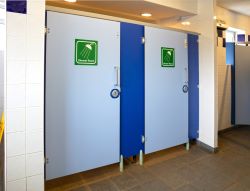
Large distribution centres often have extensive domestic water systems, welfare facilities, offices and sometimes long periods of reduced occupancy during operational changes or shutdowns.
Stagnant water creates conditions where Legionella bacteria can multiply.
Swiftclean supports warehouse operators with Legionella Risk Assessments, as well as temperature monitoring, water sampling, tank inspections and cleaning, and of course ongoing water hygiene management in accordance with ACOP L8.
Managing air, fire and water compliance through one specialist provider helps reduce administration while providing complete visibility across critical building systems.
Compliance Specialists
One Partner. Multiple Compliance Services.
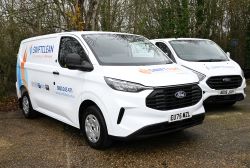
For warehouse and distribution operators, downtime is expensive. That’s why Swiftclean delivers planned compliance programmes designed to minimise disruption, with nationwide engineers capable of working around operational schedules.
Swiftclean delivers planned compliance programmes with nationwide engineers capable of working around the operational demands of distribution and logistics facilities.
Whether you need annual fire damper function testing and remedial works, TR19 Air ventilation cleaning, LEV testing and cleaning, or comprehensive Legionella control, our experienced teams provide fully documented, auditable compliance solutions from a single trusted provider.
Protecting Your Workforce
Keep Your Distribution Centre Safe, Efficient and Compliant
As warehouse operations continue to expand and automate, the importance of maintaining compliant building services has never been greater.
By taking a proactive approach to fire safety, ventilation hygiene, LEV compliance and water hygiene, facilities managers can protect employees, reduce operational risk, support insurance requirements and maintain business continuity.
If you’re reviewing your compliance programme for the year ahead, Swiftclean can help you assess your current position and develop a planned maintenance strategy tailored to your warehouse or distribution facility.
Is Your Warehouse Compliance Programme Up to Date?
Swiftclean works with warehouse and distribution operators across the UK to deliver planned fire, air, LEV and water hygiene compliance programmes tailored to operational requirements. Get in touch to review your current position.
Speak to Our Team Call Us: 0800 243 471Warehouse and Distribution Centre Compliance FAQs
How often should fire dampers be tested in a warehouse?
Under BS 9999:2017, fire dampers should be tested at least annually by a competent person. However, in warehouse environments where operations generate significant levels of airborne dust, more frequent testing may be required. Dust contamination is one of the most common causes of fire damper failure in logistics and distribution facilities, and the appropriate testing frequency should be determined through a site-specific risk assessment.
What is TR19 Air and does it apply to warehouses?
TR19 Air is the recognised UK industry specification for ventilation system inspection and cleaning, published by the Building Engineering Services Association. It applies to any commercial building with a ducted ventilation system, including warehouses and distribution centres. Cleaning to the TR19 Air specification produces the documented evidence of compliance that insurers, building inspectors, and auditors expect to see.
How often do LEV systems need to be tested in a warehouse?
Under the Control of Substances Hazardous to Health Regulations 2002, LEV systems must be thoroughly examined and tested by a competent person at least every 14 months. The exact requirement depends on the substance being controlled and the application. Where systems are critical to protecting employees from hazardous substances, regular cleaning and maintenance between examinations is also essential.
Does a large distribution centre need a Legionella risk assessment?
Yes. Under ACOP L8, any organisation with responsibility for a water system where Legionella bacteria could grow must carry out a suitable and sufficient risk assessment. Large distribution centres with extensive welfare facilities, water storage systems, and areas of reduced occupancy are particularly important to assess, as these conditions can increase Legionella risk significantly.
Can Swiftclean manage all our warehouse compliance services together?
Yes. Swiftclean provides fire damper testing and remedial works, TR19 Air ventilation cleaning, LEV examination and cleaning, and Legionella control services to warehouse and distribution operators across the UK. Managing these services through a single provider reduces administrative burden, ensures consistent documentation, and allows compliance programmes to be coordinated around operational schedules.
What documentation should we hold for warehouse compliance?
For each service area you should retain the following: fire damper test reports with pass or fail results and photographic evidence for each damper, TR19 Air post-clean verification reports with grease or dust deposit measurements, LEV examination reports and test records, and Legionella risk assessments, written schemes of control, temperature monitoring records, and water sampling results. All documentation should be readily accessible for insurers, HSE inspectors, and fire authorities on request.
Request a Compliance Assessment for Your Site
If you would like to discuss your warehouse compliance requirements, fill out our contact form and one of our specialists will get back to you shortly.