Healthy Food, Healthy Ductwork
Air and Water Hygiene Services for Hospitals: Part Four
by Martin Hembling, Commercial Director, Swiftclean
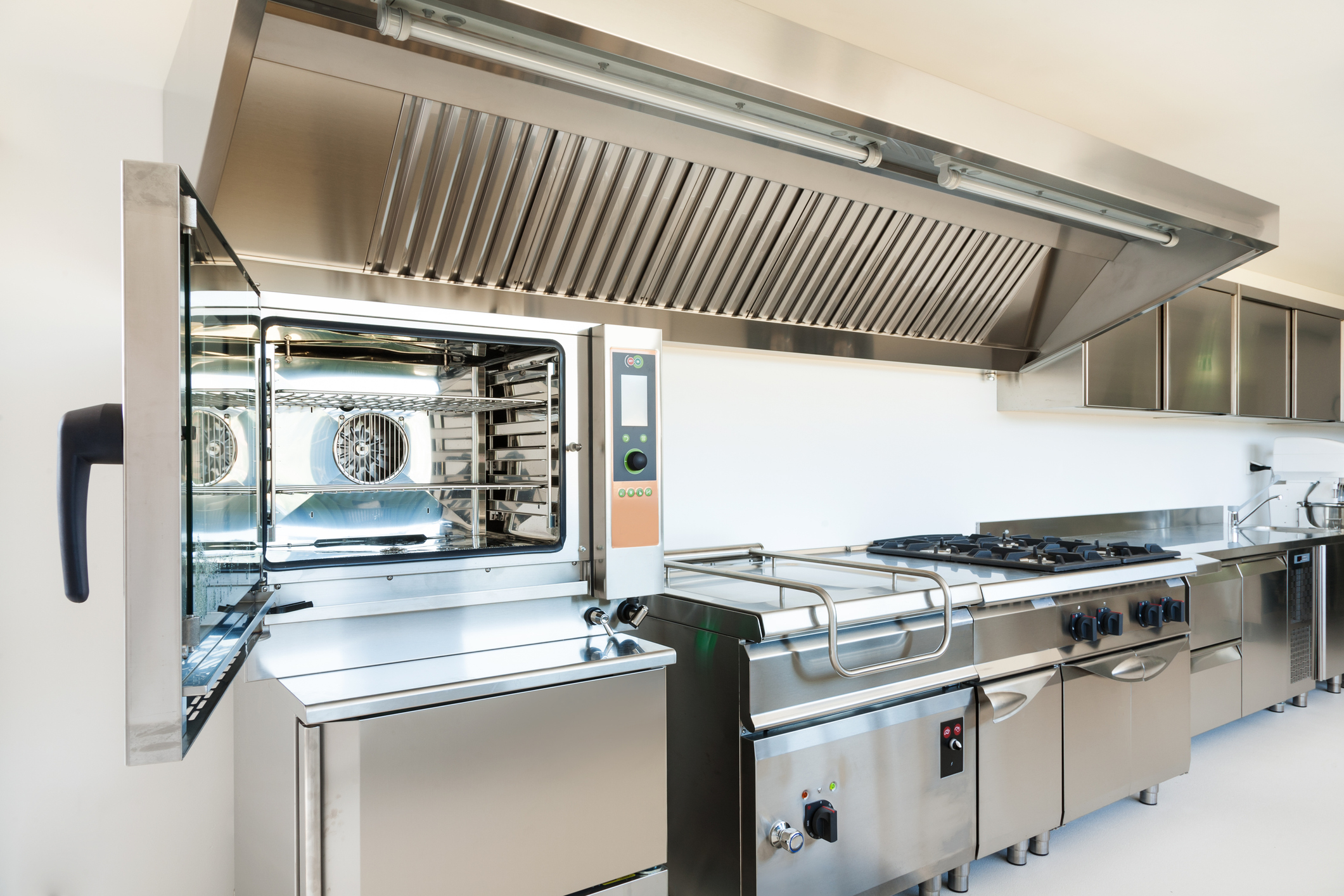
Hospital kitchens and catering services help to support patient care. Every day, thousands of meals are prepared across the NHS, often in high-capacity catering facilities that run from early morning to late evening. With such heavy use, one of the most overlooked – yet critical – areas of maintenance is that of kitchen extract fire safety cleaning.
Greasy ductwork represents a serious fire risk, and a pressing compliance issue. In the context of healthcare, where patients may be more vulnerable and less mobile, fire prevention is crucial, so ductwork cleaning can genuinely make the difference between life and death.
Hospital catering environments differ from commercial kitchens in several important ways:
- High meal volumes create significant grease and particulate accumulations
- Continuous operation limits downtime for deep cleaning
- Proximity to clinical areas demands higher hygiene standards
- Fire safety requirements are stricter due to patient evacuation challenges
Regardless of how healthy the menu may be, grease deposits in ductwork can quickly become a fire hazard, providing fuel for rapid fire spread through the ventilation system. Additionally, poor extraction can affect indoor air quality, staff comfort, and overall kitchen performance.
Kitchen Extract Cleaning Compliance in Hospitals
There are a number of key areas in which hospital estates teams must ensure compliance.
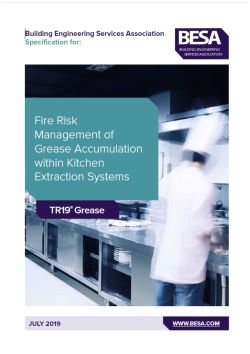
The key UK specification with which every commercial kitchen must comply is TR19® Grease issued by BESA. This specification – and its predecessors – has been co-authored by Swiftclean as industry experts from its earliest inception.
TR19® Grease outlines:
- Cleaning frequency
- Inspection points
- Access requirements
- Reporting and post-clean verification requirements
TR19® Grease contains helpful tables which estates management teams can refer to when establishing routines for expert cleaning of kitchen extract ductwork.
Our planning team work with hospital estates teams to minimise downtime in the kitchen and avoid disruption to hospital routines. All our technicians are DBS checked to help ensure patient safety, and trained to industry standards to perform cleaning work competently and professionally.
Appoint a Ductwork Cleaning Specialist
This is one task that is best handled by specialists as it involves cleaning every part of the kitchen extraction system, including canopies, filters, risers, fans and motors, as well as every part of the interior surface of the ductwork itself. When appointing a specialist cleaner, you should choose a member of the BESA’s (Building Engineering Services Association’s) Vent Hygiene Register, as only they are able to certify TR19® Grease compliance with post clean documentation, demonstrating that you have been diligent in minimising this critical fire risk.
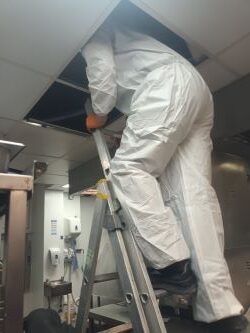
Access to the ductwork for regular routine cleaning is vital. If your system cannot be accessed at every point, it may be necessary to retrofit additional access points. This can be done by your specialist provider, but it is better to design these into the system from the outset. In newer systems, this is fast becoming a design requirement.
Compliance with TR19® Grease contributes to your compliance with the Health and Safety at Work etc. Act 1974, which requires hospitals to provide a safe environment for employees and patients. It also aids your compliance with the Regulatory Reform (Fire Safety) Order 2005, which requires a specifically appointed Responsible Persons to ensure that fire risks are minimised or controlled, and that kitchen extract systems are properly maintained, cleaned, and documented.
What Constitutes a Fire Risk?
A common misconception is that grease deposits must be very thick to create a fire risk. This is not the case. TR19® Grease requires the grease layer to be controlled to within an average of 200 microns. This is just half the thickness of the average business card. A relatively thin layer can represent a fire risk, which is why the legal consequences of not complying with TR19® Grease can be serious.
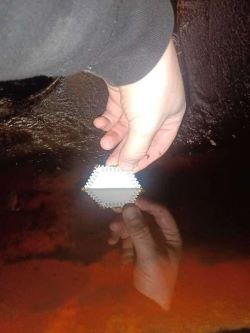
Legal Consequences of TR19® Grease Non-compliance
In the event of fire spreading through non-compliant kitchen extract ductwork, the appointed Responsible Person who has failed to comply with TR19® Grease can be prosecuted for negligence. If found guilty, they may face a custodial sentence, especially if the fire has resulted in serious injury or death.
It is also increasingly the case that buildings insurers will refuse to pay out on claims following a fire if the ductwork was not compliant with the requirements of TR19® Grease. This can lead to the hospital kitchen being out of action for far longer periods than expected.
It is essential, therefore, to appoint a member of BESA’s Vent Hygiene register, so that certification from BESCA (the certification arm of the BESA) can be issued. This evidence of compliance is critical when making any insurance claim; and it is also a highly important legal protection for the Responsible Person in any prosecution.
Post clean verification should include clear before and after photographic evidence of each clean, a clear and thorough report on the condition of each asset in the ductwork system, and post clean BESCA certification of each asset.
Hospitals should ensure records are kept securely for audits, fire risk assessments, legal protection and insurance purposes.
By achieving and maintaining compliance with TR19® Grease, hospitals can help ensure the health and wellbeing of the building itself, as well as helping to promote that of its patients.