How Garden Centres Can Stay Compliant with UK Water Safety Regulations
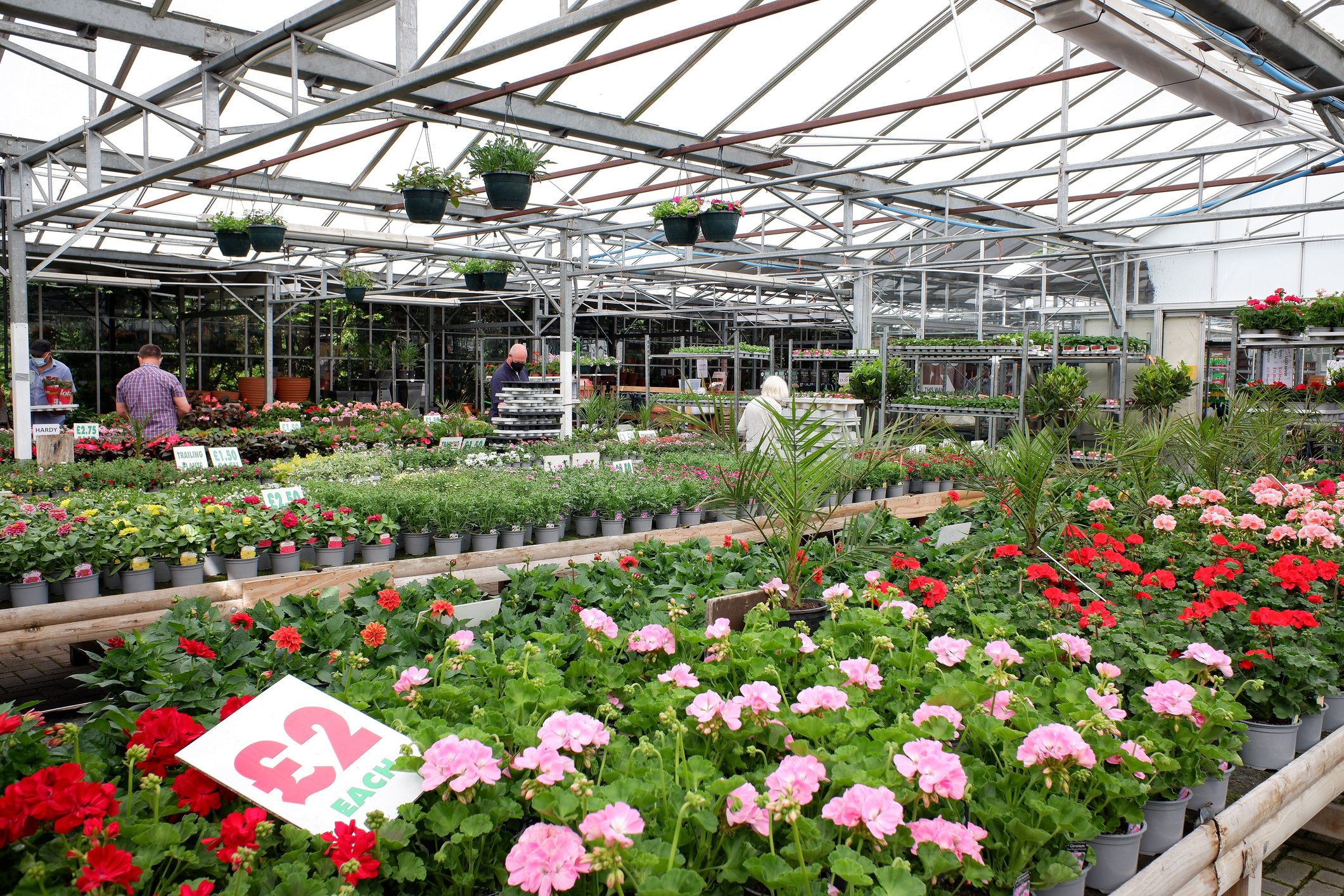
As garden centres prepare for another busy season, these much‑loved destinations play an ever‑growing role in their local communities. Modern centres offer far more than plants and pots; many now combine food outlets, retail zones, animal care areas, and family attractions under one roof. With such a diverse mix of facilities, maintaining clean, well‑managed water systems becomes a critical part of keeping visitors and staff safe.

Swiftclean partners with garden centres across the country to deliver expert water hygiene support – helping operators control risks such as Legionella, ensure compliant maintenance routines, and safeguard their buildings and customers.
This article takes a closer look at the core water safety responsibilities every garden centre must address, as well as the legislation that underpins effective water hygiene management.
Legionella Control: Protecting Water Systems Across the Site

Garden centres contain a surprising number of water systems including but not limited to toilets, staff facilities, greenhouses, irrigation networks, hose reels, food prep areas, decorative water features, misting lines, and more. This creates multiple opportunities for Legionella bacteria to develop if not properly controlled.
Core Legislation
Garden centres must comply with the UK’s main legal framework for water hygiene:
- Health and Safety at Work etc. Act 1974
- Control of Substances Hazardous to Health Regulations 2002 (COSHH)
- Management of Health and Safety at Work Regulations 1999
HSE Guidance That Supports the Law
To help duty holders meet these legal requirements, the Health & Safety Executive provides two essential documents:
ACoP L8 – Legionnaires’ disease: The control of Legionella bacteria in water systems.
Although not law in itself, failure to follow ACoP L8 can be used as evidence of legal non‑compliance. It outlines responsibilities for risk assessments, control measures, competency, and record‑keeping.
HSG274 Parts 1–3 – Technical guidance
This covers how to manage Legionella in:
- evaporative cooling systems (Part 1)
- hot and cold water systems (Part 2)
- other risk systems including decorative features (Part 3)
Swiftclean helps garden centres stay aligned with these requirements through comprehensive Legionella risk assessments and ongoing monitoring plans.
Water Tank Cleaning & Temperature Management
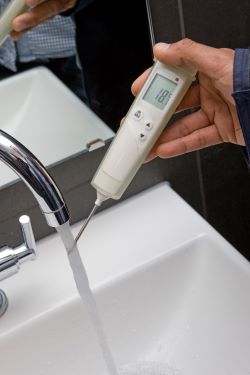
Warm weather can significantly increase the risk of Legionella growth, particularly in greenhouse loft spaces, warm plant rooms, poorly insulated tanks or storage vessels receiving infrequent turnover.
Legionella thrives between 20°C and 45°C, making the summer months a high‑risk period for garden centres.
Relevant Guidance
Water tanks and distribution systems must be managed in accordance with:
ACoP L8 – requiring regular inspection, cleaning, temperature control and documentation of water systems.
HSG274 Part 2 – providing detailed instructions for maintaining hot and cold water systems, including cleaning regimes, temperature monitoring, and design considerations to prevent stagnation.
Water hygiene compliance for Garden Centres – Your Must Do’s
To maintain a safe and legally compliant environment, garden centres should:
- Conduct Legionella risk assessments (review every two years or sooner if systems change).
- Follow ACoP L8 and HSG274 guidance for all water systems.
- Maintain water tanks, monitor temperatures, and clean systems regularly.
Swiftclean provides nationwide support across all these areas, ensuring garden centres deliver a safe, enjoyable experience for every visitor – rain or shine.
If you need support with your water system compliance, please contact us to arrange a site survey. Also, see our free to use Legionella compliance checker.
Garden Centre Water Safety Compliance FAQs
1. How often should a garden centre carry out a Legionella risk assessment?
Legionella risk assessments should be reviewed at least every two years, or sooner if there are significant changes to your water systems, building layout, or usage patterns. Any refurbishment, extension, or installation of new water equipment should also trigger a reassessment.
2. Do all water tanks in a garden centre need to be cleaned regularly?
Yes. All cold‑water storage tanks and associated pipework must be inspected annually and cleaned when necessary to prevent sediment build‑up, stagnation, and bacterial growth. This is a key requirement under ACoP L8 and HSG274 Part 2, particularly important in warm environments like greenhouses and loft spaces.
3. What are the consequences of not complying with UK water safety regulations?
Failure to comply can result in legal enforcement, fines, reputational damage, and – most importantly – serious health risks to staff and visitors. Non‑compliance with ACoP L8 can be used as evidence in court, and organisations can be held liable if poor water management leads to Legionella exposure.