The Essential Guide to Water Hygiene Compliance for Golf Clubs
Maintaining safe, compliant water systems is a critical responsibility for UK golf clubs. Behind the scenes, clubhouses, changing rooms, bars, kitchens, irrigation networks, and HVAC systems all rely on complex water infrastructure that must be carefully managed to avoid health risks – particularly from Legionella bacteria. Ensuring compliance isn’t just good practice; it’s a legal requirement under UK law.
This blog explores the key challenges, the relevant legislation, and best‑practice measures that facilities managers must implement to keep their clubs safe and compliant. It also addresses the often overlooked cost burden of oversized water tanks.
Understanding UK Water Hygiene Legislation
Health and Safety at Work Act 1974
This overarching legislation requires employers to ensure the health, safety, and welfare of employees and visitors. This includes preventing risks associated with waterborne pathogens such as Legionella.
HSE Approved Code of Practice (ACoP) L8
ACoP L8 sets out the legal requirements for controlling Legionella in water systems. It mandates:
- Monitoring and managing potential risks
- Implementing a control scheme
- Keeping detailed records
- Ensuring competent personnel oversee water safety
Legionella risk assessments, ongoing monitoring, and regular reviews form the core of compliance.
HSG 274 Part 2: The Control of Legionella in Hot and Cold Water Systems
This guidance specifically addresses the management of hot and cold‑water systems in buildings, including sports facilities such as golf clubs. It outlines the required control measures, flushing regimes, temperature requirements, and monitoring protocols. For golf clubs, this is especially relevant for changing room showers, clubhouse hot water, bars, kitchens, and other domestic systems.
Key Water Hygiene Challenges in Golf Clubs
1. Complex Water Systems Across Multiple Facilities
Golf clubs operate a variety of water‑using facilities:
- Showers and changing rooms – requiring strict temperature control and regular flushing
- Clubhouse kitchens and bars – needing consistent, hygienic water supply
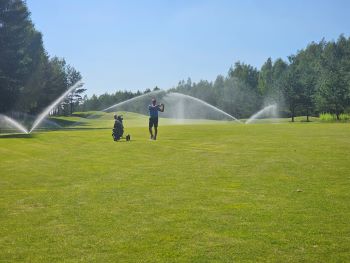
- Irrigation systems – which may require water treatment to ensure safety and efficiency. Irrigation tanks often use stored, warm pond water
- Rarely used outlets – a common issue in seasonal or part‑time facilities, heightening stagnation risks
- Drinking fountains – these can create spray that can be inhaled, carrying bacteria across the course.
2. Legionella Prevention and Monitoring

Legionella bacteria thrive in stagnant or warm water. Golf clubs must conduct:
- Regular comprehensive risk assessments (required by ACoP L8)
- Temperature control measures, ensuring hot water stays above recommended thresholds and cold water remains sufficiently cool
- Routine water quality testing, including Legionella sampling
- Detailed record‑keeping, which is essential for demonstrating compliance during audits
- Cleaning and disinfection of cold water storage tanks must be carried out regularly
3. Administrative Burden and Documentation Requirements
Compliance requires meticulous documentation – a challenge for many clubs. Clubs must maintain:
- Records of temperature checks
- Testing results
- Maintenance logs
- Evidence of risk assessments
- Staff training documentation
4. Seasonal and Low‑Use Buildings
Golf clubs often have buildings or areas used infrequently, such as:
- Overflow changing rooms
- Seasonal bars
- Storage facilities
- Event spaces
Due to water stagnation, these areas are at high risk from Legionella and need their own flushing regime in accordance with HSG 274 Part 2.
Oversized Water Storage Tanks: An Overlooked Compliance and Cost Burden
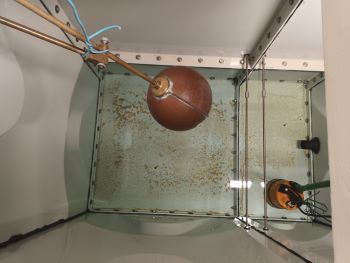
Some golf clubs still rely on cold‑water storage tanks that are far larger than they actually need, often due to old building designs. While large tanks may seem beneficial, they can create serious water‑hygiene problems.
Oversized tanks lead to slow turnover, allowing water to stagnate – a key condition that encourages Legionella growth. UK guidance confirms that stagnant water is one of the main drivers of bacterial proliferation, especially during warmer periods when stored water sits within ideal growth temperatures.
Because these tanks hold more water than is used, they require more frequent cleaning and disinfection, increasing operational costs without improving safety. Stagnation also promotes sediment, scale, and biofilm build‑up, which raises both Legionella risks and maintenance demands.
Although draining, removing, or resizing these tanks can seem costly at first, it often delivers long‑term savings. Smaller or redesigned systems improve flow, reduce stagnation, cut down on disinfection cycles, and help maintain compliance with ACoP L8 and HSG 274 Part 2.
Best Practice Measures to Ensure Compliance
To meet the requirements of UK legislation and best practice guidance, golf clubs should:
- Conduct thorough Legionella risk assessments regularly (at least once every two years), or when systems, usage or personnel changes. These should include both the clubhouse and the course.
- Implement temperature control measures as outlined in HSG 274
- Maintain thorough and accurate water hygiene records
- Perform regular monitoring, flushing, and testing (including bib tap flushing – these are infrequently used wall-mounted taps)
- Ensure all staff involved in water management receive appropriate training
These actions not only protect staff and members but also safeguard the reputation and operational continuity of the club.
How Swiftclean Can Help

With over 40 years of experience in water hygiene and compliance services, Swiftclean is a trusted partner for facilities managers across the UK. We offer:
- Legionella risk assessments
- Hot and cold water monitoring and inspections
- Cleaning and disinfection of water systems
- Legionella monitoring services
- Staff training and consultancy
Swiftclean is a long‑term member of the Legionella Control Association (LCA), demonstrating our commitment to meeting the LCA Code of Conduct and Service Standards. Our expert teams help clubs remain compliant with ACoP L8, HSG 274 Part 2, and wider UK legislation – ensuring safe water systems, robust documentation, and complete peace of mind.
If you’d like a tailored water hygiene plan for your golf club, Swiftclean is ready to assist.
Contact our team or use our Legionella compliance checker to check your club’s water hygiene compliance today.
Water Hygiene Compliance FAQs for Golf Clubs
Do golf clubs legally need a Legionella risk assessment?
Yes. Under the Health and Safety at Work Act 1974 and HSE Approved Code of Practice L8, golf clubs have a legal duty to assess and manage Legionella risks in their water systems. This applies to clubhouses, changing rooms, bars, kitchens, irrigation systems, and any other water outlets used by staff, members, or visitors. A Legionella risk assessment must be carried out by a competent person and reviewed regularly, particularly when systems, usage, or personnel change.
Which areas of a golf club pose the highest Legionella risk?
The highest-risk areas are those where warm or stagnant water can occur or where water aerosols may be inhaled. This includes showers and changing rooms, rarely used taps, oversized cold-water storage tanks, irrigation systems using stored water, and seasonal facilities such as overflow bars or event spaces. Private water supplies and long pipe runs common on large estates can also increase risk if not properly managed.
How often should water systems be monitored and maintained in a golf club?
Routine monitoring should be ongoing and proportionate to risk, in line with HSG 274 Part 2. This typically includes monthly temperature checks, regular flushing of low-use outlets, periodic inspection and cleaning of tanks, and Legionella sampling where appropriate. Accurate records must be kept at all times to demonstrate compliance, particularly during audits or investigations by enforcing authorities.