Easter “Spring Clean” Compliance Checklist for Schools
As the days get brighter and longer, Easter provides the perfect opportunity for schools to step back, regroup, and ensure their essential safety and hygiene compliance is fully up to date. Just as a spring clean helps us clear out unnoticed dust, a compliance check helps identify areas that may have slipped under the radar during a busy term.
A safe, healthy environment is crucial for students, staff and visitors – and many key systems require regular inspection, testing or cleaning to remain compliant with relevant legislation and industry standards. Before the school gates close for the holidays, take time to review the areas below.
1. Kitchen Extract System Cleaning
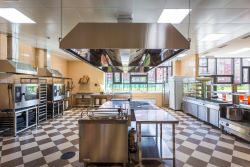
A well‑maintained kitchen extract system reduces fire risks and supports a clean, healthy food preparation environment.
Ask yourself: When was your extract system last cleaned?
Industry guidance such as TR19® Grease outlines how often systems should be cleaned based on:
- the type of food being cooked,
- the frequency of cooking, and
- the number of meals prepared.
For busy school kitchens, regular maintenance is essential to stay compliant and protect both staff and students.
2. Fire Damper Testing
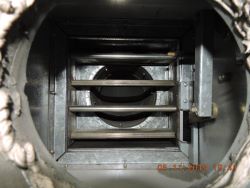
Fire dampers play a critical role in preventing the spread of fire and smoke through your school’s ductwork. To remain compliant with BS 9999, all fire dampers must be inspected, tested and reset at least once every 12 months.
If your school hasn’t had a recent inspection, Easter is an ideal time to ensure records are up to date and any failures are addressed promptly.
3. Indoor Air Quality & Ventilation
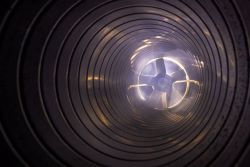
Good indoor air quality supports concentration, reduces the spread of airborne infections, and creates a healthier environment for learning. Ventilation systems must be routinely inspected and cleaned to maintain performance.
TR19® Air provides recommended cleaning and hygiene standards to help ensure your ventilation system operates safely and efficiently. The holidays offer a valuable window for inspections with minimal disruption to classrooms.
4. Water Hygiene & Legionella Control
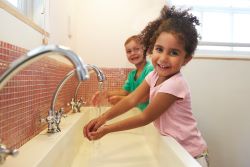
A clean, well‑maintained water system is essential in any educational environment. Poor water hygiene can lead to biofilm buildup, stagnant water and increased Legionella risk – all of which can have serious health implications.
Your water hygiene regime should include:
- regular temperature monitoring,
- outlet flushing,
- system inspections, and
- Legionella risk assessments carried out by competent professionals.
An outbreak of Legionnaires’ disease can be extremely serious, so a proactive approach is critical.
If you need support with any aspect of your compliance, please contact us for advice on 0800 243 471 or info@swiftclean.co.uk
Alternatively, have a look at our compliance checker page to check the compliance of any of these services.