
Care Home Water Hygiene & Legionella Compliance – Part 2
Why Water Hygiene Matters in Care Homes
As a care home owner or operator, you have a legal duty to keep residents, staff and visitors safe. This includes making sure your water systems do not put people at risk from Legionella bacteria.
Older people and those with existing health conditions are especially vulnerable, which makes water hygiene even more important in care homes.
Your Legal Responsibilities
The law requires care home operators to take steps to control the risk of Legionella in water systems. This means you must:
- Identify where risks could occur
- Put sensible controls in place to reduce those risks
- Appoint someone to be responsible for water safety
- Follow the control measures properly
- Keep clear records of what you are doing
These requirements are supported by official guidance known as ACoP L8, which explains how to manage Legionella safely and meet your legal duties.
What Is Legionella?
Legionella is a type of bacteria that lives naturally in water. At low levels it is usually harmless, but it can multiply in poorly managed water systems, especially where water is left standing.
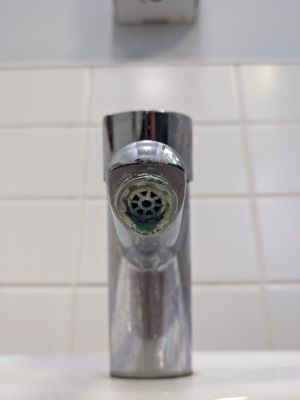
If people breathe in tiny water droplets that contain Legionella – for example from showers, taps, certain water systems; they can develop Legionnaires’ disease, a serious form of pneumonia. This can be life‑threatening for elderly residents and those with weakened immune systems.
Legionella Risk Assessments
A Legionella risk assessment looks at your water system and checks whether there is a risk of bacteria growing.
In a care home setting, this should usually be carried out every two years, or sooner if:
- You care for high‑risk residents
- You have altered the water system
- There has been a change in management
- There is a suspected case or outbreak
The assessment will clearly explain whether any improvements or actions are needed to keep your system safe.
How Often Should Care Homes Monitor and Test Their Water Systems?
Care homes should monitor and test their water systems regularly to help you spot Legionella problems before anyone is put at risk. Testing shows whether bacteria levels are safe and whether any actions you’ve taken are working properly.
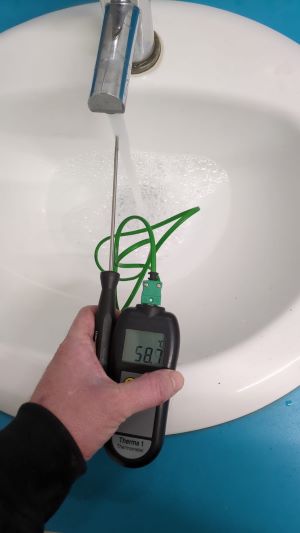
How often testing is needed depends on things like the size of your building, the type of water system you have, or the level of risk shown in your assessment.
Your Legionella risk assessment will tell you how frequently testing should be carried out.
Proving You Are Compliant
Keeping good records is just as important as carrying out the work itself. Regular testing and clear documentation show inspectors, regulators and families that water safety is being taken seriously.
If there was ever a case of Legionnaires’ disease linked to your care home, you would need to show:
- An up‑to‑date risk assessment
- Records of monitoring, maintenance and testing
- Evidence that you followed recommended controls
Failing to do this can lead to large fines, legal action, and in serious cases, custody.
Not Sure Where You Stand?
If you’re unsure whether your care home meets the current L8 water hygiene requirements, use our free Legionella compliance checker to see if anything needs attention.
Care home? Read our blog on Care Home Compliance – Part 1: Fire Safety Risks Every Facilities Manager Must Control
Frequently Asked Questions for Care Home Managers
Do care homes legally need to manage Legionella?
Yes. Care homes have a legal duty to manage the risk of Legionella in their water systems. This is part of your responsibility to protect residents, staff and visitors, particularly vulnerable older people.
Who is responsible for Legionella control in a care home?
The care home owner or operator is ultimately responsible. However, you must also appoint a named person (such as a manager or facilities lead) to oversee day‑to‑day water safety tasks.
Do all care homes need a Legionella risk assessment?
Yes. Every care home with a water system needs a Legionella risk assessment. It checks whether your water system could allow bacteria to grow and what controls are needed to keep people safe.
How often does a Legionella risk assessment need to be reviewed?
In most cases, every two years. It should be reviewed sooner if:
- You make changes to the water system
- There is a change in management
- Your residents’ risk level increases
- There is a suspected or confirmed case of Legionnaires’ disease
Is Legionella testing always required?
Not always, but it is often recommended in care homes because residents are high risk. Testing helps confirm whether bacteria levels are safe and whether your control measures are working.
Your risk assessment will clearly state whether testing is needed and how often.
What records do we need to keep?
You should keep records of:
- Your Legionella risk assessment
- Water temperature checks
- Cleaning and maintenance work
- Any testing results
- Actions taken to fix issues
These records are essential if your care home is inspected or investigated.
What happens if we don’t comply?
Failing to manage Legionella properly can lead to:
- Enforcement action from regulators
- Large fines
- Legal claims
- In serious cases, criminal prosecution
More importantly, it could put residents at serious risk.
How can we check if we’re compliant?
If you’re unsure whether your care home meets current water hygiene requirements, use our free Legionella compliance checker. It’s a quick way to highlight any gaps and understand what steps to take next.