How Does Legionella Get Into My Building?
Legionella is a topic that every building owner, facilities manager, landlord, and employer should understand. While the bacteria occur naturally in the environment, they can become a serious risk when they multiply in man-made water systems. If not properly managed, Legionella can lead to outbreaks of Legionnaires’ Disease, a potentially fatal form of pneumonia.
In this article, we’ll explain how Legionella gets into buildings, the health risks it poses, and the practical steps you can take to keep occupants safe.
What Is Legionella and Why Is It Dangerous?

Legionella is a type of bacteria naturally found in rivers, lakes, streams, reservoirs, and other freshwater environments. In low numbers, it rarely causes problems in nature. However, when Legionella enters building water systems and finds the right conditions, it can multiply rapidly and become a significant health hazard.
The bacteria thrive in:
- Warm water temperatures between 20°C and 45°C
- Stagnant or infrequently used water systems
- Pipework containing scale, sludge, rust, or biofilm
- Systems with inadequate levels of disinfectant
Common locations where Legionella may grow include:
- Hot and cold water systems
- Shower heads and taps
- Cooling towers
- Air conditioning systems that use water
- Decorative fountains
- Hot tubs and spa pools
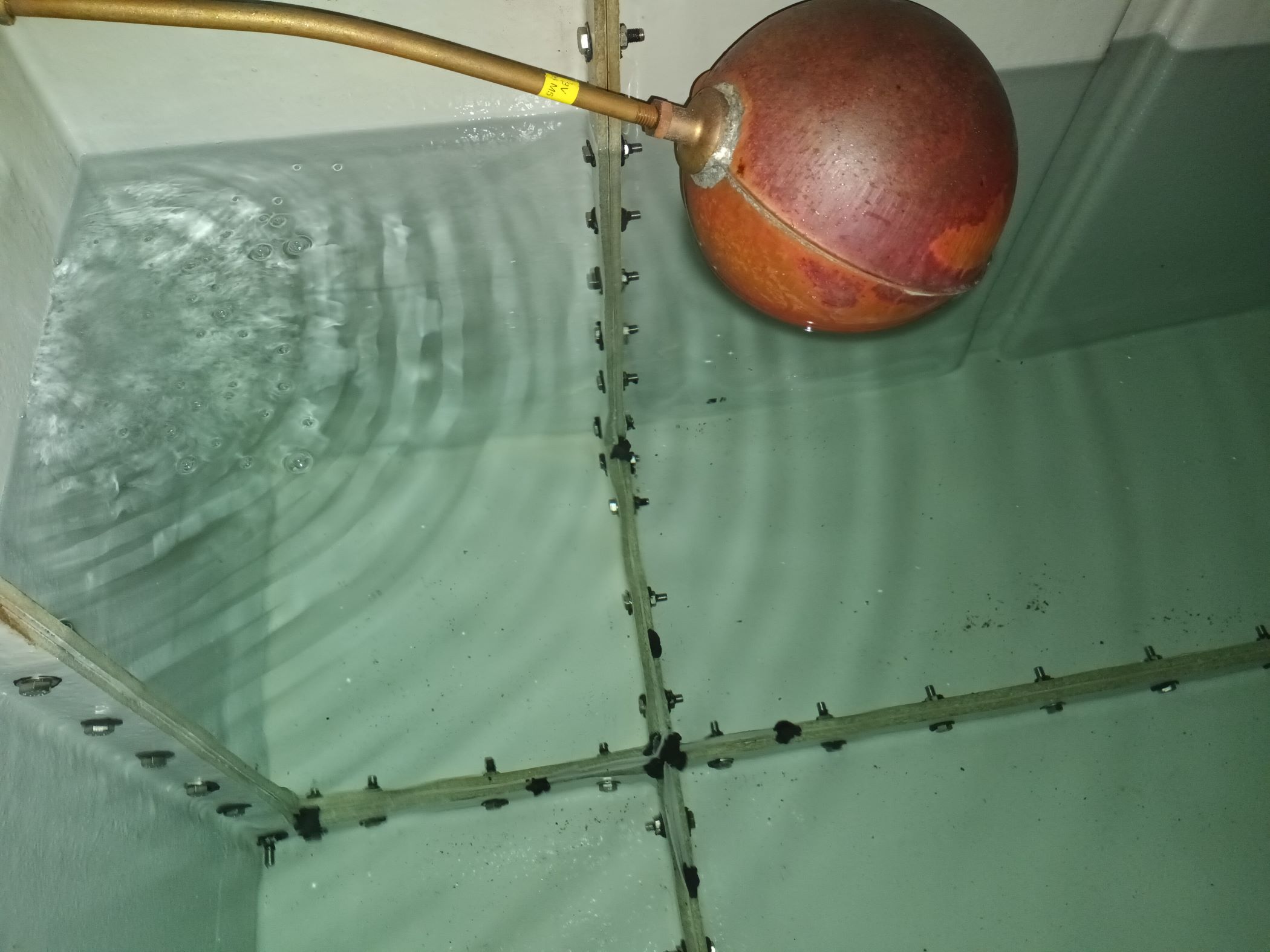
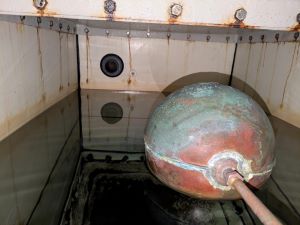
- Storage tanks and calorifiers
Key fact: Legionella bacteria are not transmitted from person to person. The risk comes from inhaling aerosols from contaminated water systems. This is why managing the conditions within a building’s water system is so important for protecting occupant health.
How Does Legionella Enter a Building’s Water System?
Legionella can enter a building’s water system through several routes, and in most cases the entry point itself is not the primary problem. The more significant issue is what happens once the bacteria are inside the system.
Many people assume Legionella suddenly appears in a building, but in reality, the bacteria often enter through the mains water supply. Because Legionella occurs naturally in water sources, small amounts can be present in incoming water. The risk arises when conditions within the building allow the bacteria to grow and spread.
What Conditions Allow Legionella to Multiply?
Entry into the water system is only the first part of the risk. Legionella becomes a hazard when it multiplies to concentrations that can cause illness.
Buildings are particularly vulnerable when there is:
Stagnant Water
Water that sits unused in pipework, dead legs, storage tanks, or rarely used outlets creates ideal conditions for bacterial growth. This is often seen in vacant properties, unused floors, schools during holidays, or offices with low occupancy.
Incorrect Water Temperatures
Legionella multiplies most effectively in warm water. If hot water isn’t hot enough, or cold water isn’t cold enough, bacteria can thrive.
Poor System Maintenance
Limescale, corrosion, sediment, and biofilm provide nutrients and protection for Legionella. Without regular cleaning and maintenance, these conditions encourage bacterial growth.
Water Supply Interruptions
Construction work, maintenance activities, or temporary shutdowns can disturb water systems and reduce disinfectant levels, increasing the risk of Legionella growth.
What is Legionnaires’ Disease?
Legionnaires’ Disease is a severe lung infection (pneumonia) caused by inhaling water droplets contaminated with Legionella bacteria. The illness can be serious and may require hospital treatment. In some cases, it can be fatal, particularly among vulnerable individuals.
Symptoms may include high fever, cough, chills, muscle aches, shortness of breath, headaches and fatigue
Those at greater risk include people over 50 years old, smokers and former smokers, individuals with weakened immune systems and people with chronic respiratory disease
How Do I Catch Legionnaires’ Disease?
Legionnaires’ Disease is not usually spread from person to person. Instead, people become infected by breathing in tiny airborne water droplets containing Legionella bacteria.
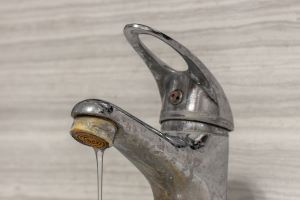
Common sources of exposure include:
- Showers
- Taps and spray outlets
- Cooling towers
- Spa pools and hot tubs
- Decorative water features
- Humidifiers and misting systems
The greatest risk comes from inhaling contaminated aerosols.
Does a New Building Have Legionella Risk?
Yes, it is a common misconception that new buildings are automatically safe from Legionella risk before they are occupied. In reality, pipework installed during construction can harbour stagnant water for extended periods before the building goes into use. Biofilm can develop, temperatures may not be controlled during the construction phase, and the commissioning process may introduce conditions that allow Legionella to establish itself before a single person moves in.
This is why a Legionella risk assessment and appropriate pre-occupation flushing and disinfection should be carried out before a new building is brought into regular use. For a detailed explanation of this risk, read our guide on why new buildings can still develop Legionella before occupation.
Concerned About Legionella in Your Building?
Swiftclean provides Legionella risk assessments, water hygiene monitoring and ongoing compliance support for buildings across the UK. Get in touch to discuss your requirements or arrange an assessment.
Book a Risk Assessment Call Us: 0800 243 471How to Make Sure You Don’t Have a Legionella Outbreak in Your Building
Preventing a Legionella outbreak requires a proactive approach to water system management. The good news is that outbreaks are largely preventable when suitable control measures are in place.
1. Conduct a Legionella Risk Assessment
A professional Legionella risk assessment identifies areas where bacteria could grow and spread. It also determines what control measures are required for your specific building and water systems.
2. Monitor Water Temperatures
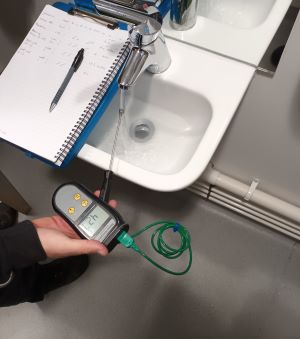
Temperature control remains one of the most effective methods of preventing Legionella growth.
The HSE recommends:
- Hot water stored at 60°C or above
- Hot water distributed at 50°C or above
- Cold water stored and distributed below 20°C
3. Flush Infrequently Used Outlets
Unused taps, showers, and pipework should be flushed regularly to prevent water stagnation and maintain disinfectant levels throughout the system.
4. Clean and Maintain Systems
Regular inspection, cleaning, and disinfection of tanks, calorifiers, shower heads, and other water system components helps reduce the buildup of scale, sediment, and biofilm.
5. Implement a Water Management Programme
A formal water management programme helps building owners identify risks, monitor control measures, and take corrective action when necessary.
6. Keep Accurate Records
Maintain records of:
- Temperature monitoring
- Flushing activities
- Maintenance visits
- Water testing results
- Corrective actions taken
These records demonstrate compliance and help identify trends before problems arise.
How Often Should a Legionella Risk Assessment Be Carried Out?
A Legionella risk assessment is not a one-time task. ACOP L8 requires it to be reviewed regularly and whenever circumstances change, including when the water system is modified, when the building use or occupancy changes, or when monitoring results suggest that existing controls may no longer be effective.
For a detailed guide to how often a risk assessment should be reviewed and what events should trigger an immediate reassessment, read our blog on how often you should get a Legionella risk assessment done.
If you would like to understand what a risk assessment actually involves in practice, our step-by-step guide on how to conduct a Legionella risk assessment covers the full process from start to finish.
Final Thoughts
Legionella can enter a building through the normal water supply, but it only becomes dangerous when conditions allow it to multiply and spread. Warm temperatures, stagnant water, poor maintenance, and inadequate monitoring all increase the risk of Legionnaires’ Disease.
By carrying out regular risk assessments, maintaining correct water temperatures, flushing unused outlets, and implementing a robust water management programme, building owners and facilities managers can significantly reduce the risk of a Legionella outbreak and protect the health of everyone who uses the building.
If you are responsible for a commercial property, school, healthcare facility, leisure centre, or residential building, Legionella control should be a key part of your health and safety strategy. Prevention is not only a legal responsibility, it’s the best way to safeguard occupants and your organisation’s reputation.
Need Further Information About Legionella Control?
Swiftclean have been members of the Legionella Control Association for over 20 years.
For further information, please speak to our LCA-accredited specialists.
Find Out More Call Us: 0800 243 471Your Legionella Entry and Prevention Questions Answered
Yes. Legionella is present in treated mains water at very low, normally harmless concentrations. It cannot be entirely eliminated by water treatment. Once inside a building’s internal water system, Legionella can multiply rapidly if the conditions within the system, particularly temperature and stagnation, are not properly managed. This is why controlling internal water system conditions is the primary defence against Legionella risk.
Legionella bacteria grow most rapidly at temperatures between 20 and 45 degrees Celsius, with peak growth around 37 degrees Celsius. Below 20 degrees Celsius, the bacteria become dormant rather than dying. Above 60 degrees Celsius, they are killed within a matter of minutes. The fundamental principle of temperature-based Legionella control is to keep hot water stored above 60 degrees Celsius and cold water below 20 degrees Celsius at all times.
Legionella bacteria cannot be detected by sight, taste or smell. Water sampling and laboratory analysis is the only way to confirm whether Legionella is present and at what concentration. Sampling should be used as a targeted investigative tool where temperature control issues are suspected, or as part of a risk management programme, rather than as the primary means of demonstrating compliance. A Legionella risk assessment and regular temperature monitoring form the foundation of effective management.