How to Keep Your Community Building Safe and Compliant
A Practical Compliance Guide for Village Halls, Church Halls and Community Centres
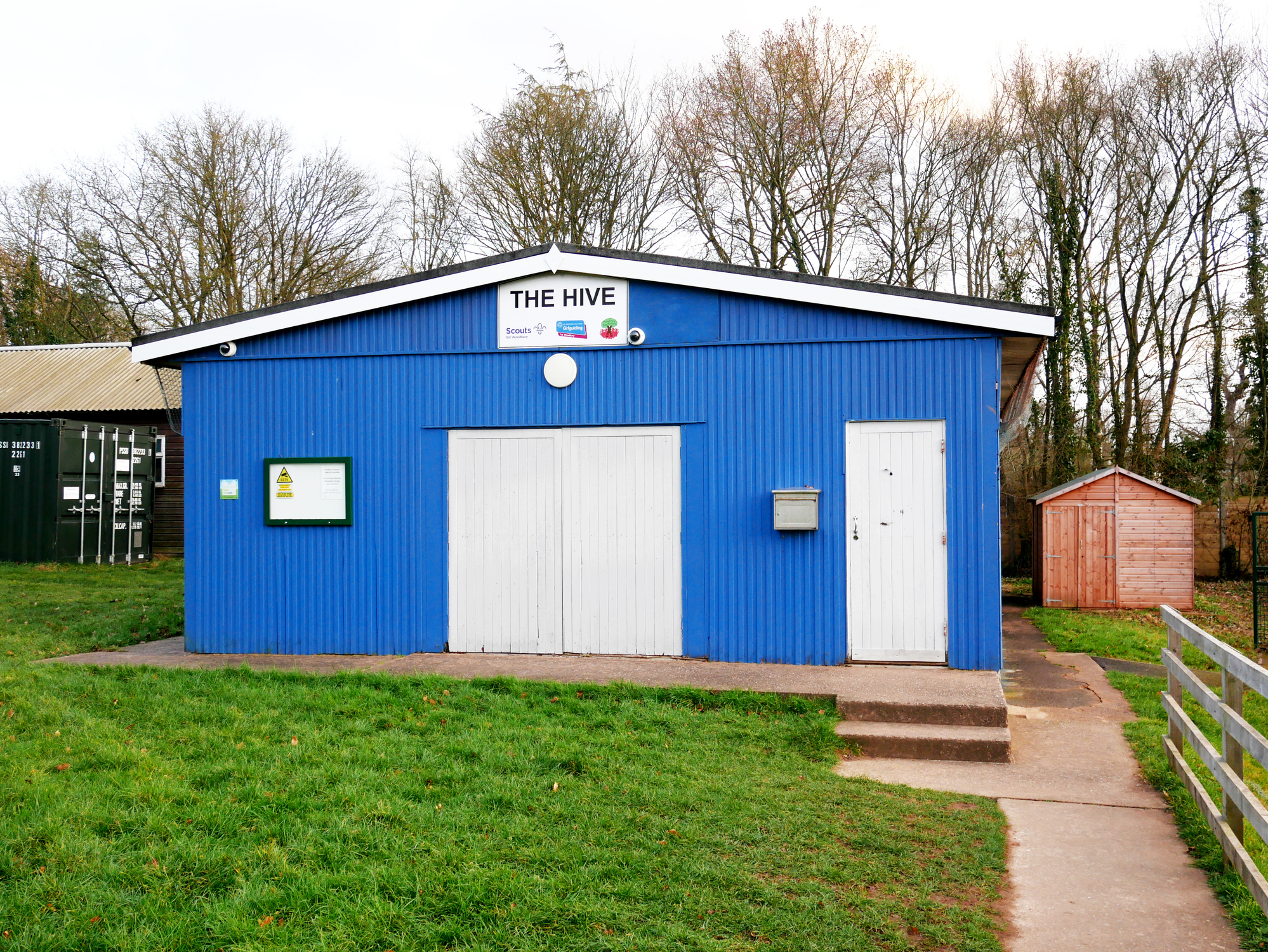
Community buildings play a vital role across the UK. From church halls and scout huts, from Air Cadets headquarters to village halls, social clubs and community centres, these spaces host everything from local meetings and youth groups to charity events, exercise classes and food service activities.

In fact, according to Action with Communities in Rural England (ACRE), there are more than 10,000 village halls operating across the UK, many of which are run by volunteers and serve as the social heart of their local communities.
However, many of these buildings are older, volunteer-managed or used intermittently, which can sometimes lead to important building compliance responsibilities being overlooked.
Understanding your obligations around kitchen extract fire safety and water hygiene is essential, not only for protecting building users, but also for helping ensure compliance with current legislation and guidance.
Here at Swiftclean, we support community organisations across the UK with practical compliance services designed to keep buildings safe, operational and legally compliant.
Why Compliance Matters in Community Buildings
Unlike commercial environments with dedicated facilities teams, many community venues rely on volunteers or part-time staff to manage building operations. As a result, maintenance responsibilities can sometimes become unclear, particularly in buildings with shared kitchens, changing rooms or ageing water systems.
Two areas that are commonly underestimated include kitchen extract fire safety and legionella awareness.
Kitchen Extract Fire Safety
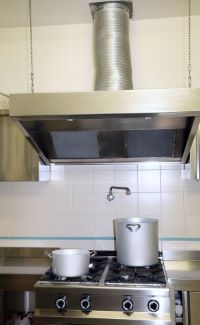
If your building has a kitchen used for cooking, even occasionally, grease will gradually build up within the kitchen extract system. Over time, this creates a significant fire risk and can contribute to rapid fire spread through ductwork systems if left unmanaged.
Statistics from UK fire safety bodies regularly show that cooking appliances remain one of the leading causes of accidental building fires, highlighting the importance of maintaining kitchen extraction systems and reducing grease accumulation.
Professional kitchen extract cleaning helps reduce these risks and supports compliance with TR19® Grease guidance. This is especially important in community buildings that regularly host events, fundraisers, volunteer-run cafés or catering activities.
Legionella & Water Hygiene Awareness
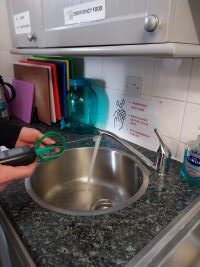
Water hygiene is another important consideration for community buildings, particularly those with irregular occupancy or periods of low usage during holidays and seasonal closures.
Little-used outlets, stored water systems and intermittent water flow can all increase the risk of legionella bacteria developing if systems are not properly monitored and maintained. Under ACOP L8 guidance, duty holders have a responsibility to assess and manage these risks appropriately.
How Swiftclean Can Help
At Swiftclean, we offer nationwide compliance support specifically designed for community buildings of all sizes. Our field teams are strategically located across the country, allowing us to provide local assistance. Our services include TR19® grease kitchen extract cleaning, legionella risk assessments, water hygiene support, and fire risk reduction services.
We understand the unique challenges faced by volunteer-led and multi-use buildings and work flexibly to minimise disruption to community activities, for example we can offer a multi-service visit with one team in attendance.
A Simple Step-by-Step Guide to Improving Your Building Compliance
Step 1: Review Your Building Risks
Start by identifying areas within your building that could require compliance management. Kitchens, showers, changing rooms, stored water systems and infrequently used outlets should all be considered.
Step 2: Check Your Existing Records
Review any existing maintenance documentation, including fire risk assessments, legionella risk assessments and kitchen extract cleaning certificates. Missing or outdated records may indicate areas that need attention.
We are able to help with any documentation or record checking for compliance, free of charge – just give us a call, and one of our technical team will be happy to help. We also have a handy online compliance checker which may help.
Step 3: Assess Kitchen Usage
Consider how often cooking takes place within the building and when the extract system was last professionally cleaned. Even low-frequency kitchen usage can still lead to grease accumulation over time.
Step 4: Review Water Usage Patterns
Buildings with irregular occupancy or seasonal closures should pay particular attention to water hygiene management, as stagnant water conditions can increase legionella risks.
Step 5: Arrange Professional Support
A specialist compliance provider can help assess your current position, identify any remedial actions and provide the documentation needed to support compliance obligations.
Step 6: Implement an Ongoing Plan
Compliance should be managed proactively through planned inspections, regular servicing and accurate record keeping to help maintain safe conditions year-round.
Supporting Safer Community Spaces
Community venues are essential local assets, and maintaining safe, compliant buildings helps protect everyone who uses them.
Whether you manage a church hall, village hall, scout building, sports clubhouse or community centre, Swiftclean can help you better understand your compliance responsibilities and support you with practical, cost-effective solutions.
To discuss your building requirements, contact the Swiftclean team today.
Your Community Building Compliance Questions Answered
Who is responsible for Legionella compliance in a community building?
Under ACOP L8 guidance, the duty holder is responsible for assessing and managing Legionella risk in any building they manage. In community venues, this is typically the building owner, management committee, or the organisation responsible for day-to-day operations. Volunteer-run buildings are not exempt from this duty. Where a building has stored water systems, infrequently used outlets, or periods of low occupancy, a formal Legionella risk assessment is strongly recommended.
Do community buildings need kitchen extract cleaning?
Yes. If your building has a kitchen used for cooking, even on an occasional basis, grease will accumulate within the extract system over time. This creates a significant fire risk and, if left unmanaged, can contribute to rapid fire spread through the ductwork. Professional kitchen extract cleaning in line with the TR19 specification is recommended for any community building where cooking takes place, regardless of how frequently the kitchen is used.
How often should a community building kitchen extract system be cleaned?
Cleaning frequency depends on how often cooking takes place and the type of food being prepared. Under the TR19 Grease specification, systems should be assessed and cleaned at intervals appropriate to the level of use. Even community kitchens used only for occasional events or fundraisers can accumulate grease over time and should be professionally cleaned and certified on a regular basis. If you are unsure when your system was last cleaned, our team can carry out a free compliance check.