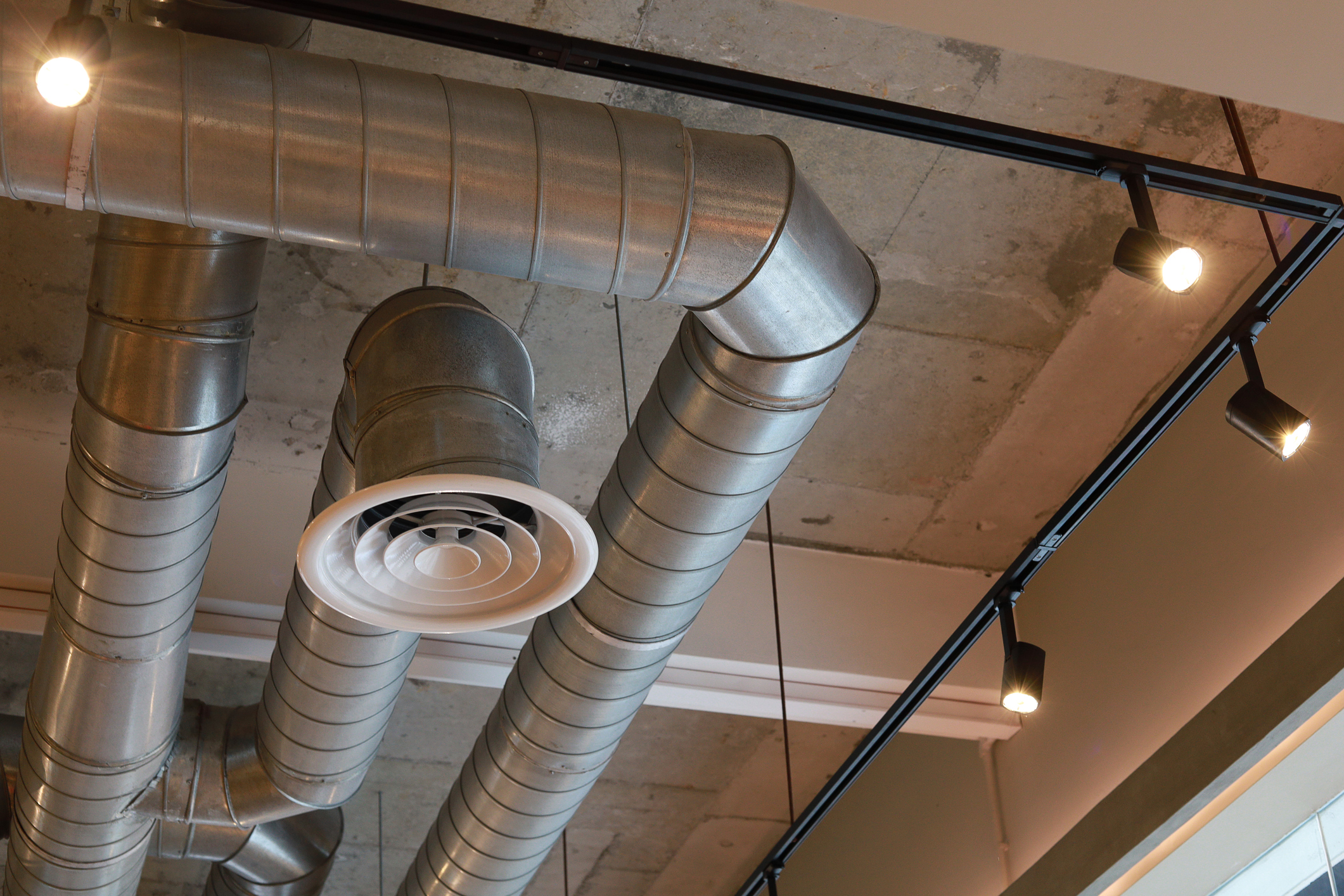
Can Dirty Ductwork Increase Your Business’s Energy Bills?
Yes – dirty ductwork can significantly increase energy costs, reduce system efficiency and place unnecessary strain on your ventilation equipment.
Many businesses view ductwork cleaning primarily as a hygiene or compliance requirement. While indoor air quality and health considerations are important, the impact of contaminated ductwork on energy consumption is often overlooked. Over time, dust, debris and other contaminants can accumulate within ventilation systems, forcing fans and air handling units to work harder to maintain the required airflow.
For facilities managers, building owners and maintenance teams looking to improve efficiency and control operational costs, understanding the link between duct cleanliness and energy performance is essential.
At Swiftclean, our engineers regularly encounter ventilation systems where contamination has been building unnoticed for years, gradually reducing airflow efficiency and increasing the energy required to maintain acceptable indoor conditions. This guide sets out how dirty ductwork affects energy consumption, what the signs look like, and what a proactive inspection and cleaning programme can do to address it.
How Are Ventilation Systems Designed to Work?
A ventilation system is designed to move air efficiently throughout a building. Air handling units, fans, ductwork and filters work together to deliver clean air and maintain comfortable indoor conditions.
When a system is clean, air can move freely through the ductwork with minimal resistance. This allows fans to operate at their intended performance levels while consuming the least amount of energy necessary.
However, as contamination builds up inside the system, airflow becomes restricted. Even seemingly small amounts of debris can affect performance over time.
| Understanding how ventilation hygiene standards have developed helps building managers appreciate why TR19 Air cleanliness levels are set where they are. Gary Nicholls, Managing Director of Swiftclean and co-author of TR19, traces the history of ductwork hygiene guidance in our blog, Ductwork Cleaning, Clearing the Air. |
What Builds Up Inside Ductwork?


The type of contamination found within ductwork varies depending on the building and its use. Common contaminants include:
- Dust and dirt
- Construction debris
- Fibres from carpets and furnishings
- Pollen and outdoor pollutants
- Grease deposits in kitchen extract systems
- Mould and microbial growth
- Paper particles and general office debris
Without regular inspection and cleaning, these contaminants can accumulate on duct surfaces, dampers, grilles and ventilation equipment.
| The consequences of leaving ductwork contamination unmanaged can be severe. In February 2019, two serious kitchen extract ductwork fires in London restaurants required eight fire engines and over 60 firefighters between them, with grease build-up identified as a contributing factor in both incidents. Read the full account and what it means for TR19 compliance. |
How Dirty Ductwork Increases Energy Consumption
1. Restricted Airflow
One of the biggest causes of increased energy use is restricted airflow.
As dust and debris build up inside ductwork, the effective diameter of the duct can become reduced. This creates additional resistance within the system.
To compensate, fans must work harder to push air through the network, increasing energy consumption and operating costs.
In larger commercial buildings, even a small reduction in airflow efficiency can have a noticeable impact on annual energy expenditure.
2. Increased Fan Running Costs


Ventilation fans are often among the largest energy users within HVAC systems.
When airflow resistance increases due to contamination, fans may:
- Run for longer periods
- Operate at higher speeds
- Draw more power
- Experience increased wear and tear
Modern building management systems may automatically increase fan performance to compensate for reduced airflow, resulting in higher electricity consumption without occupants noticing any obvious issue.
3. Reduced HVAC Efficiency
Dirty ductwork can affect the performance of Air handling units (AHUs); heating systems; cooling systems or heat recovery units
When airflow is compromised, conditioned air may not reach occupied spaces efficiently. As a result, heating and cooling equipment must work harder to maintain target temperatures.
This can lead to higher energy bills, reduced occupant comfort or increased equipment operating hours
4. Blocked Filters Become More Frequent
Contamination within ductwork often leads to more frequent filter loading.
As filters become clogged:
- Airflow decreases
- Fan energy consumption increases
- Filter replacement costs rise
- System efficiency declines
Businesses may find themselves replacing filters more frequently than expected without addressing the root cause of contamination deeper within the ventilation system.
Did you know? Even a thin layer of dust and debris on duct surfaces can increase airflow resistance significantly. In larger commercial buildings, reduced ventilation efficiency can add thousands of pounds to annual energy expenditure without any obvious visible signs.
The Often-Overlooked Risk of Dirty Toilet Extract Ductwork


Toilet extract systems are frequently overlooked during ventilation maintenance programmes, yet they can have a significant impact on both energy efficiency and building safety.
Over time, toilet extract ductwork accumulates a combination of dust, paper fibres, lint and human skin particles. As these materials build up along the internal surfaces of the ductwork, airflow becomes increasingly restricted.
Heavily contaminated toilet extract ductwork can present a significant fire risk. The build-up of paper fibres, dust and skin particles creates a combustible fuel source within the ventilation system. Should an ignition source be introduced, fire can spread rapidly through contaminated ductwork, potentially affecting multiple areas of a building.
Regular inspection and cleaning of bathroom extract systems not only helps maintain effective ventilation and control energy costs but also supports fire safety objectives and reduces the risk of system failure.
The Hidden Cost of Equipment Wear
Energy costs are only part of the picture.
When ventilation systems consistently operate under increased pressure, components experience additional strain.
This can lead to:
- Premature fan failure
- Motor breakdowns
- Bearing wear
- Increased maintenance requirements
- Reduced system lifespan
Investing in regular ductwork cleaning can help protect expensive HVAC assets while reducing long-term maintenance costs.
Poor Airflow Can Affect Occupants Too
Dirty ductwork doesn’t just impact energy performance.

Poor ventilation can affect indoor air quality, leading to a decrease in productivity by staff.
Signs that ductwork contamination may be affecting airflow include:
✓ Hot and cold spots throughout the building
✓ Stuffy or poorly ventilated areas
✓ Increased dust accumulation
✓ Persistent odours
✓ Occupant complaints regarding temperature or air quality
✓ Higher than expected energy bills without an obvious cause
Addressing duct cleanliness can improve both energy efficiency and workplace comfort.
Which Buildings Are Most at Risk?
While any ventilation system can become contaminated, certain environments are particularly susceptible.
These include:
- Offices
- Schools and universities
- Healthcare facilities
- Hotels
- Retail premises
- Manufacturing sites
- Leisure facilities
- Public buildings
Buildings that have undergone refurbishment or construction work may also experience significant dust accumulation within ductwork.
Could Your Ductwork Be Costing You More Than It Should?
Contact Swiftclean today to arrange a professional ventilation hygiene assessment and find out how clean ductwork could reduce your energy costs.
Get a Free Assessment Check Your ComplianceThe Role of the BESA TR19® Air Specification
In the UK, the recognised industry standard for ventilation hygiene is TR19® Air, published by the Building Engineering Services Association (BESA).
TR19® Air provides guidance on:
- Inspection frequencies
- Ventilation system cleanliness
- Risk management
- Cleaning requirements
- Documentation and reporting
Regular inspections help identify contamination before it begins affecting system performance, energy efficiency and indoor air quality.
| For a comprehensive overview of everything involved in professional ductwork cleaning, from TR19 classifications and inspection frequencies through to what happens during a clean and what documentation you should receive, our ultimate guide to duct cleaning covers it all. |
How Often Should Ductwork Be Inspected?

Inspection frequencies vary depending on building use and environmental conditions.
Factors affecting inspection schedules include:
- Occupancy levels
- Building activity
- Air quality requirements
- Operational hours
- Regulatory obligations
A professional ventilation hygiene assessment can determine the most appropriate inspection and cleaning programme for your premises.
The Business Case for Ductwork Cleaning
Many organisations focus on reducing energy consumption through upgrades such as LED lighting, insulation improvements and building controls.
However, maintaining clean ventilation systems can also contribute to energy savings by:
- Improving airflow efficiency
- Reducing fan energy consumption
- Supporting HVAC performance
- Extending equipment life
- Lowering maintenance costs
- Improving indoor air quality
For many businesses, the return on investment from preventative maintenance can outweigh the cost of dealing with inefficient systems and unexpected breakdowns.
| If you have ever questioned whether professional duct cleaning makes a meaningful difference to system performance and energy efficiency, the evidence is clear. Read our blog Does Duct Cleaning Really Work? for a practical answer to one of the most common questions we receive. |
How Swiftclean Can Help

At Swiftclean, we provide professional ventilation hygiene inspections and ductwork cleaning services in accordance with recognised industry guidance.
Our experienced engineers can help organisations:
- Assess ductwork cleanliness
- Identify airflow restrictions
- Improve HVAC efficiency
- Support compliance requirements
- Reduce operational risks
- Maintain healthier indoor environments
Following inspection and cleaning, we provide detailed reports and photographic evidence to support your maintenance and compliance records.
Final Thoughts
Dirty ductwork is more than just a cleanliness issue. Whether it’s office supply air systems, kitchen extract ductwork or toilet extract ventilation, contamination can restrict airflow, increase fan energy consumption, reduce indoor air quality and, in some cases, create significant fire risks through the accumulation of combustible debris such as paper fibres, dust and lint.
If your ventilation system hasn’t been inspected recently, there may be hidden contamination restricting airflow and forcing equipment to work harder than necessary.
By implementing a proactive ductwork inspection and cleaning programme, businesses can improve energy efficiency, protect valuable HVAC assets and create a healthier environment for building occupants.
Want to know whether your ventilation system could be costing you more than it should? Contact Swiftclean today to arrange a professional ventilation hygiene assessment.
Ready to Improve Your Ventilation Efficiency?
Our specialist engineers can inspect your ductwork, identify any airflow restrictions and provide a bespoke cleaning programme tailored to your building. Get in touch today to find out more
Contact Us Call Us: 0800 243 471Your Ductwork and Energy Efficiency Questions Answered
How much can dirty ductwork increase energy costs?
The exact impact depends on the size of the building, the ventilation system design and the level of contamination present. In larger commercial buildings, even a modest reduction in airflow efficiency can result in fans drawing significantly more power over the course of a year. Building management systems may automatically compensate for reduced airflow by increasing fan speeds, which can quietly drive up electricity consumption without triggering any obvious alarms.
How do I know if my ductwork is affecting my energy bills?
The most reliable way to determine whether ventilation contamination is affecting energy performance is to arrange a professional inspection. An engineer can assess airflow, measure ductwork cleanliness against the TR19 Air specification, and identify any areas where contamination is restricting performance. Signs that may indicate a problem include unexplained increases in energy costs, poor temperature distribution, stuffy areas and more frequent filter replacements than expected.
Is ductwork cleaning covered by insurance or included in service contracts?
This depends entirely on the terms of your specific policy or service agreement. Many FM and maintenance contracts include planned ventilation inspections, and some insurance policies have requirements around ductwork cleanliness, particularly for kitchen extract systems under TR19 Grease. It is worth reviewing your policy and contract terms to confirm what is covered and whether cleaning records need to be maintained as a condition of cover.
What is the BESA TR19 Air specification?
TR19 Air is the recognised UK industry standard for ventilation ductwork hygiene, published by the Building Engineering Services Association. It provides guidance on inspection frequencies, cleanliness standards, risk management and documentation requirements. Cleaning carried out in line with the TR19 Air specification provides documented evidence that your ventilation system meets recognised hygiene standards, which is increasingly important for compliance, insurance and audit purposes.